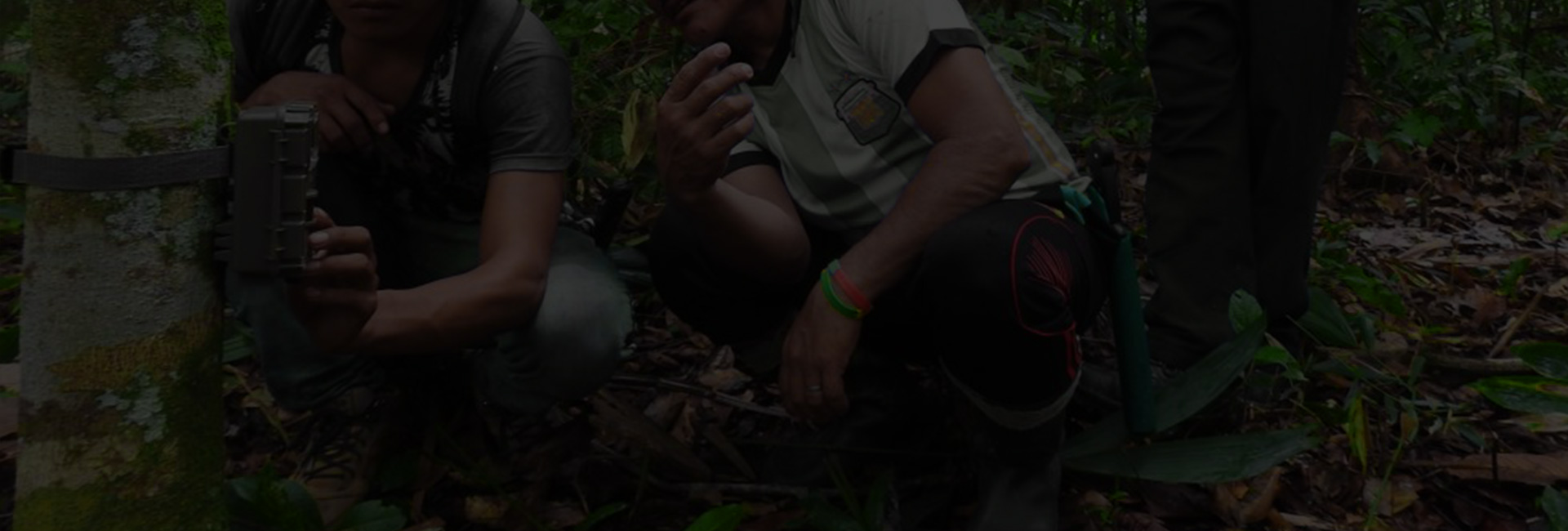
As a wildlife conservation organization, habitat management team, research institution, or environmental monitoring project operator, your work depends on accurate field observations and reliable long-term data collection.
The challenge is not simply observing wildlife. It is understanding movement patterns, monitoring habitat changes, recording environmental conditions, and collecting meaningful information without disturbing natural behavior.
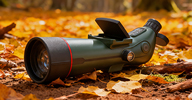
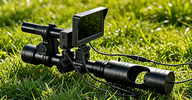
WILDTIME OUTDOORS provides practical monitoring solutions for wildlife conservation and habitat management projects, including night vision binoculars, night vision goggles, thermal imagers, wildlife cameras, digital camera binoculars, rangefinder binoculars, timelapse cameras, solar panel systems, and outdoor deployment accessories.
Our goal is to help conservation professionals gather better field data, improve monitoring coverage, and support informed environmental management decisions.
Wildlife activity often occurs across different times, locations, and environmental conditions. Relying on a single monitoring method may leave important information unrecorded.
That is why WILDTIME OUTDOORS focuses on integrated monitoring solutions that support complete conservation workflows.
A typical habitat monitoring system may include:
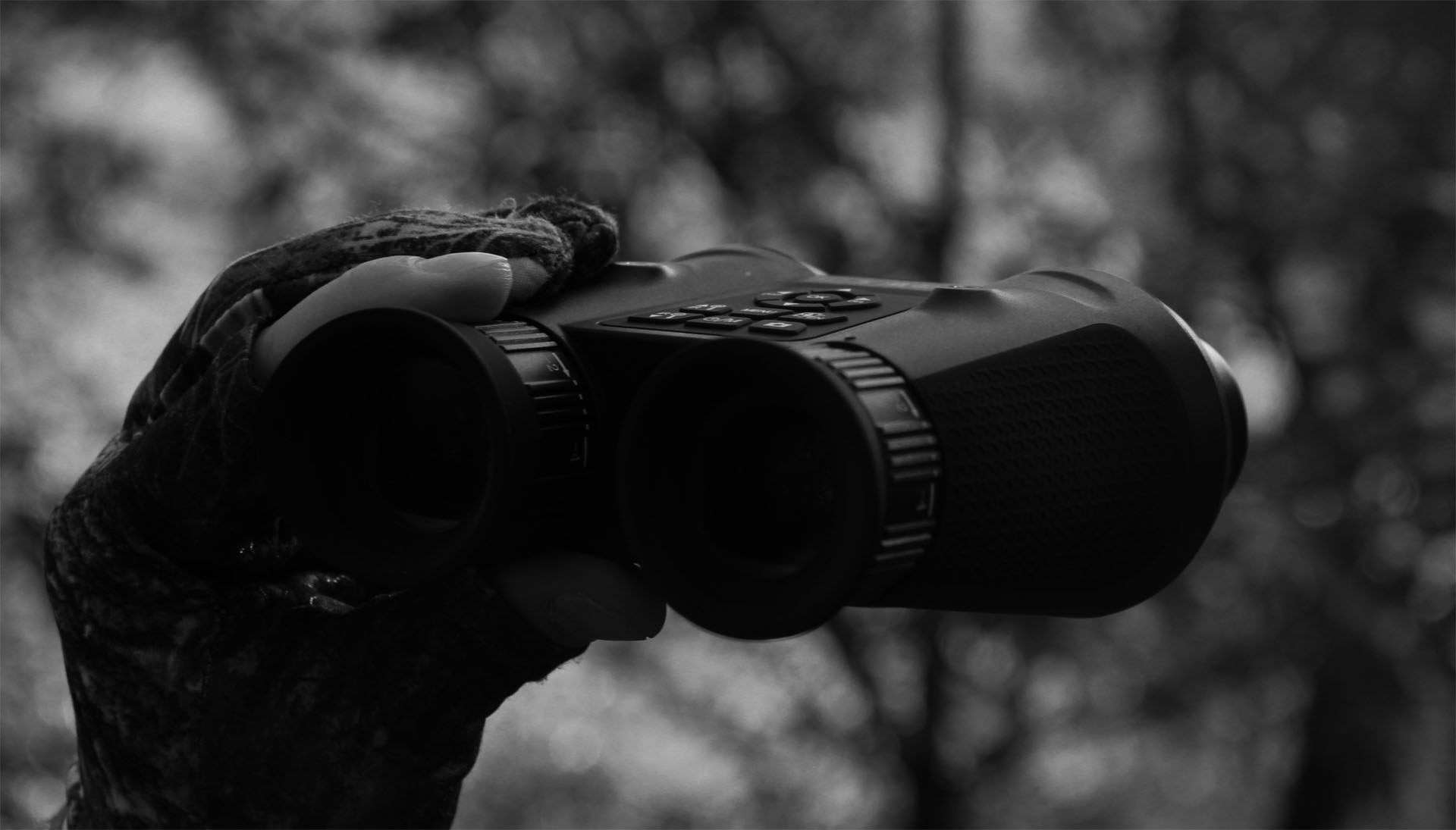
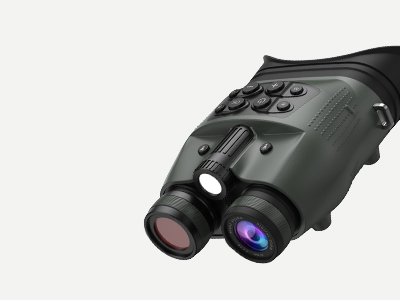
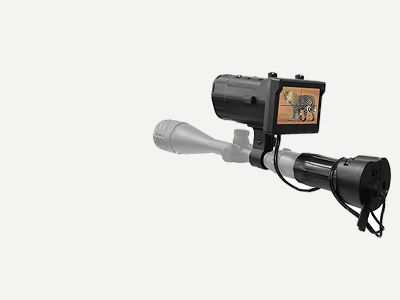
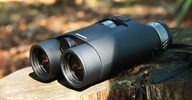
Night vision binoculars for low-light wildlife observation
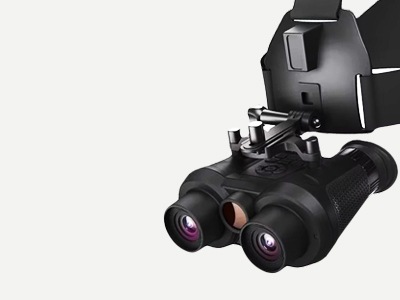
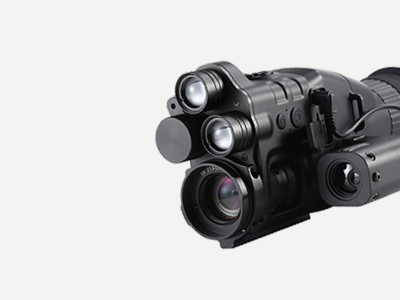
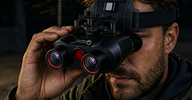
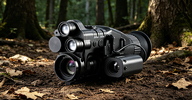
Night vision goggles for hands-free field monitoring
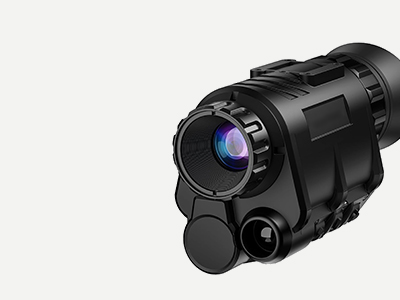
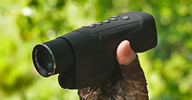
Night vision monoculars for rapid visual confirmation
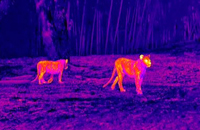
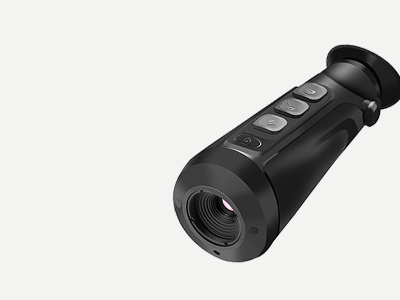
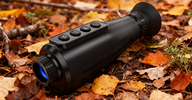
Thermal imagers for detecting animals hidden by vegetation
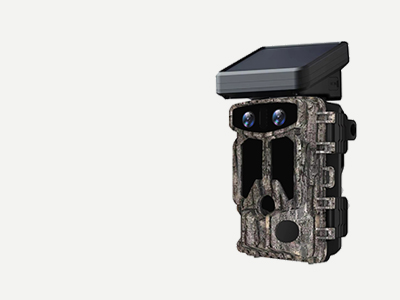
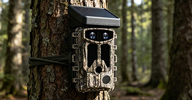
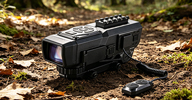
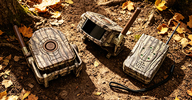
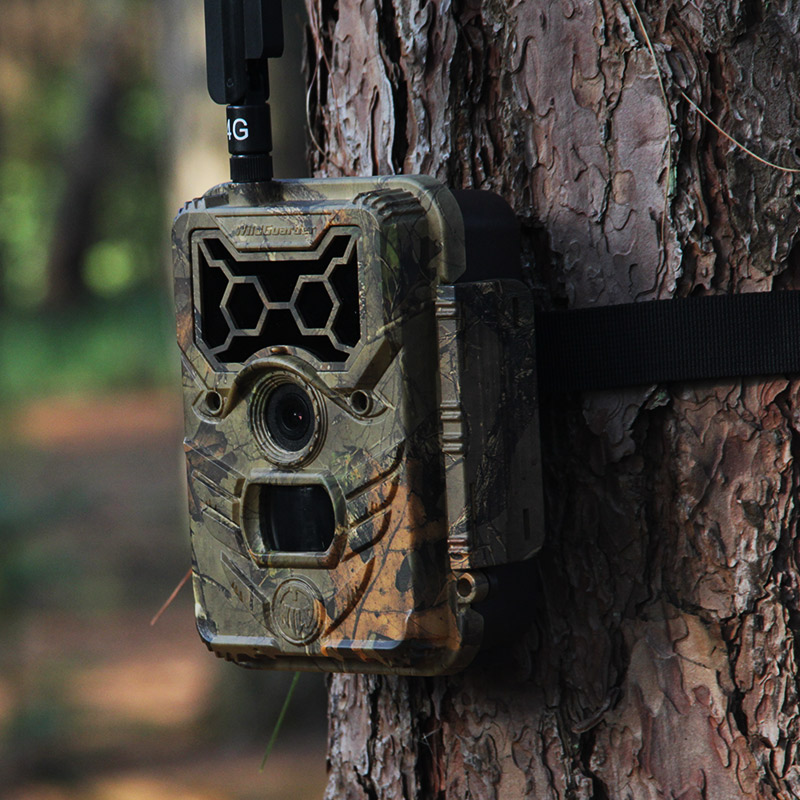
Wildlife cameras for continuous activity recording
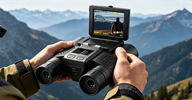
Digital camera binoculars for observation and documentation
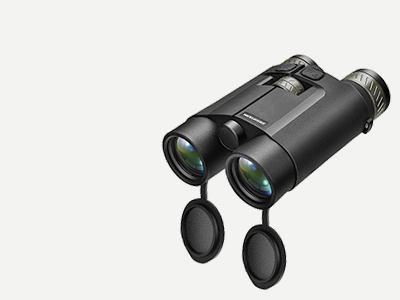
Rangefinder binoculars for habitat mapping and distance estimation
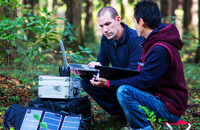
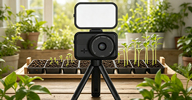
Timelapse cameras for long-term environmental monitoring
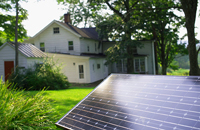
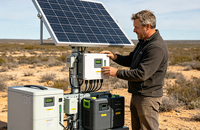
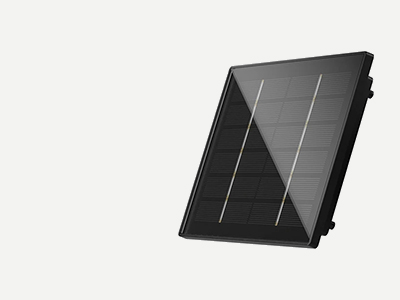
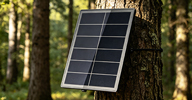
Solar panel systems for extended autonomous operation
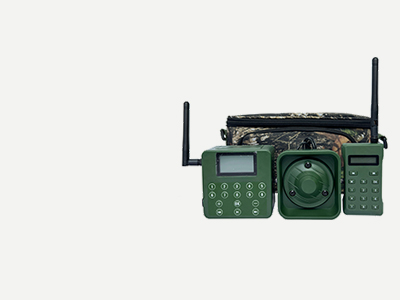
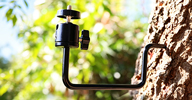
Outdoor accessories for secure field deployment
By combining multiple technologies, conservation teams can collect more complete information while minimizing disturbance to wildlife populations.
Conservation projects often depend on long-term trends rather than short-term observations. The quality of management decisions is closely connected to the quality of field data collected over time.
WILDTIME OUTDOORS helps monitoring teams improve data consistency and observation coverage across different environments.
A complete monitoring workflow may include:
Thermal imaging for identifying activity in dense vegetation
Wildlife cameras for documenting movement patterns
Timelapse systems for recording environmental changes
Rangefinder binoculars for habitat measurement support
Night vision devices for extending observation hours
Solar-powered systems for remote deployment locations
Better data collection helps conservation teams evaluate habitat conditions, monitor species activity, and support long-term ecological objectives.
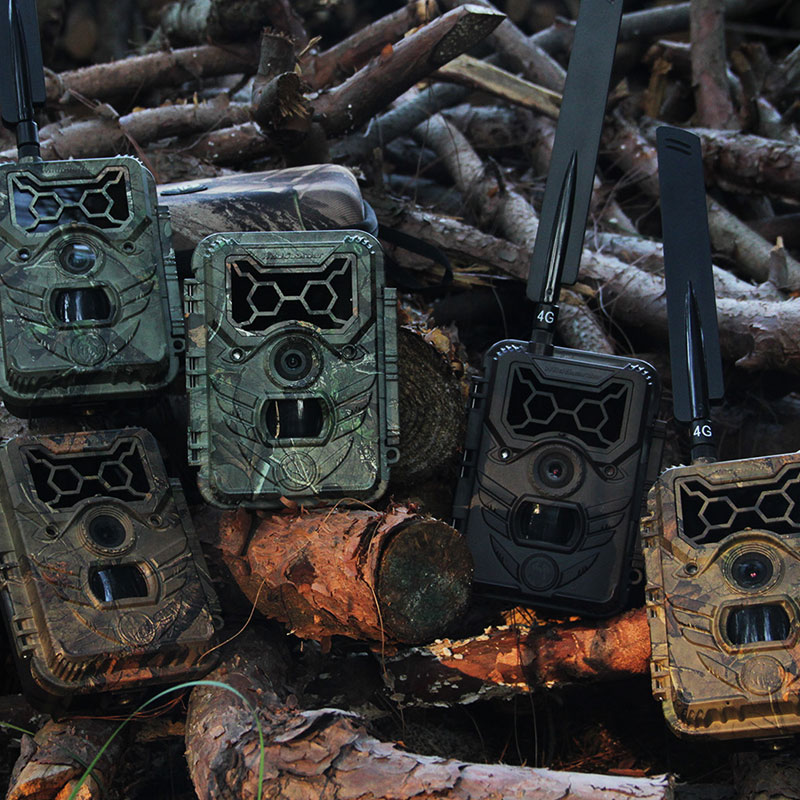
Many organizations use wildlife cameras, thermal imagers, night vision devices, timelapse cameras, and rangefinder binoculars to support observation and data collection activities.
Remote observation systems allow researchers to collect information without being physically present in sensitive habitats for extended periods.
Wildlife cameras provide continuous monitoring and help document activity patterns that may not be observed during scheduled field visits.
Yes. Thermal imaging technology helps identify heat signatures, making animals easier to locate in low-visibility environments.
Timelapse cameras help document vegetation growth, seasonal changes, environmental conditions, and habitat development over time.
Night vision binoculars, monoculars, goggles, and thermal imagers extend observation capabilities beyond daylight hours.
Yes. Many systems are designed for extended deployment in remote outdoor environments.