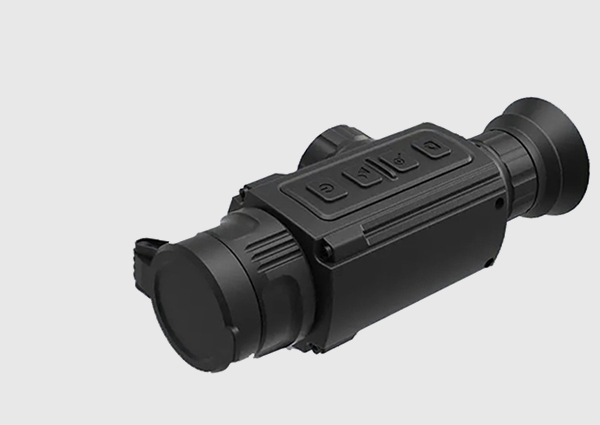
Thermal imagers are advanced devices that detect infrared radiation (heat) emitted by objects and convert it into an image. Unlike traditional cameras that capture visible light, thermal imagers rely on heat signatures to provide a clear view of the environment in complete darkness or challenging conditions, such as fog, smoke, or heavy rain. This makes thermal imagers incredibly valuable for a wide range of applications, from security and surveillance to search and rescue, industrial inspections, and even hunting.
How Thermal Imaging Devices Work
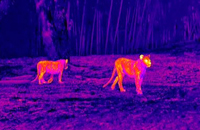
Thermal imaging devices operate on the principle of infrared thermography, which detects heat energy emitted by objects. All objects, whether living or non-living, emit infrared radiation, and the intensity of this radiation increases with temperature. By capturing this radiation and converting it into images, thermal imaging devices visually represent temperature variations—warmer objects appear brighter in the image. These images, known as “thermal maps,” enable users to “see” heat rather than visible light.
A thermal imaging device typically consists of the following components:
Sensor: Detects infrared radiation.
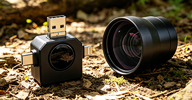
Lens: Focuses infrared radiation onto the sensor.
Image Processor: Converts infrared data into images or videos.
The final thermal image displays temperature differences through varying colors or shades, with higher-temperature areas appearing brighter.
Types of Thermal Imaging Devices
Based on application requirements, thermal imaging devices can be categorized into four main types:
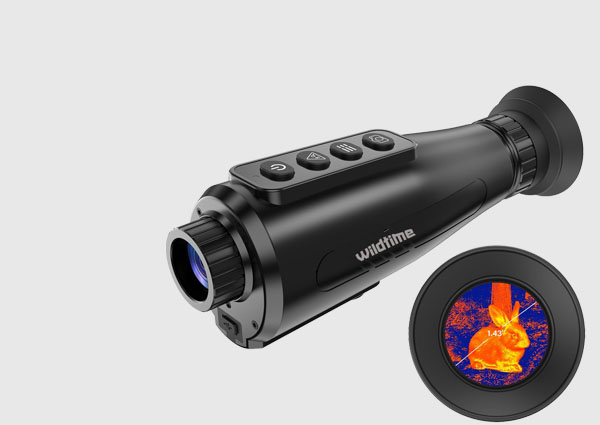
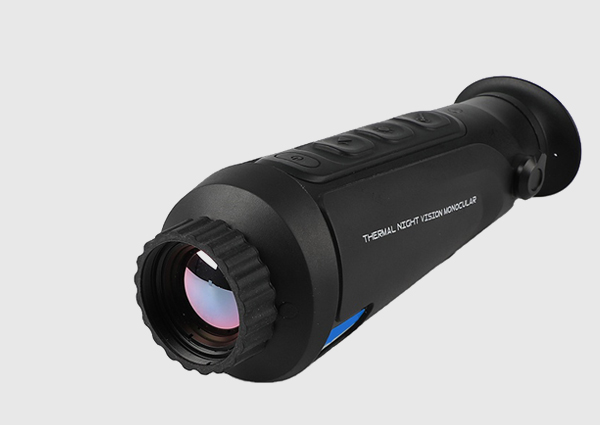
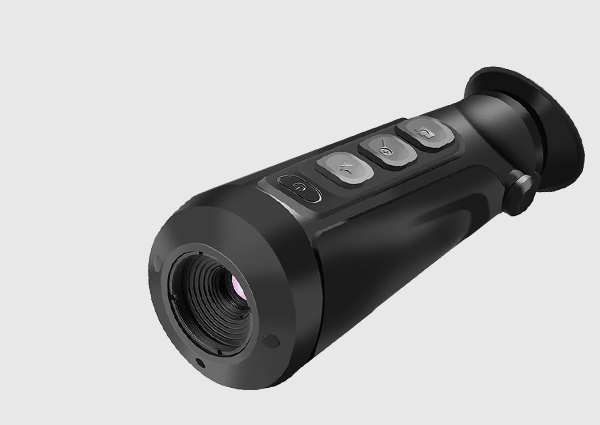
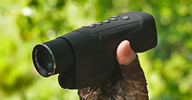
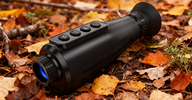
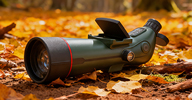
Thermal Monocular
A portable handheld device that provides a single-eye thermal imaging view. Lightweight and easy to carry, it is suitable for scenarios requiring rapid short-range observation, such as security patrols and outdoor activities.
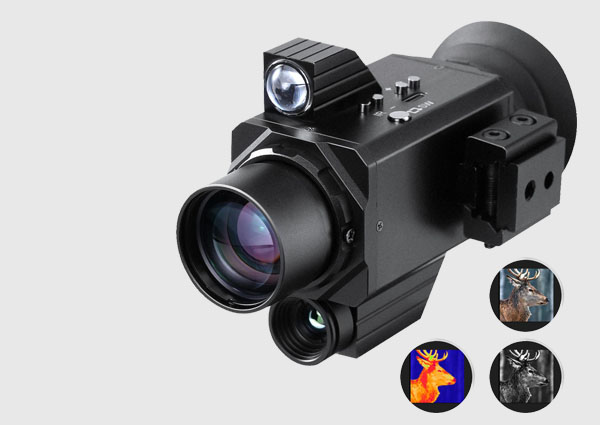
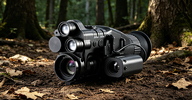
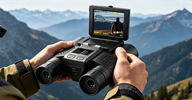
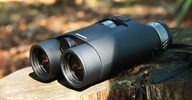
Thermal Binocular
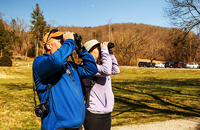
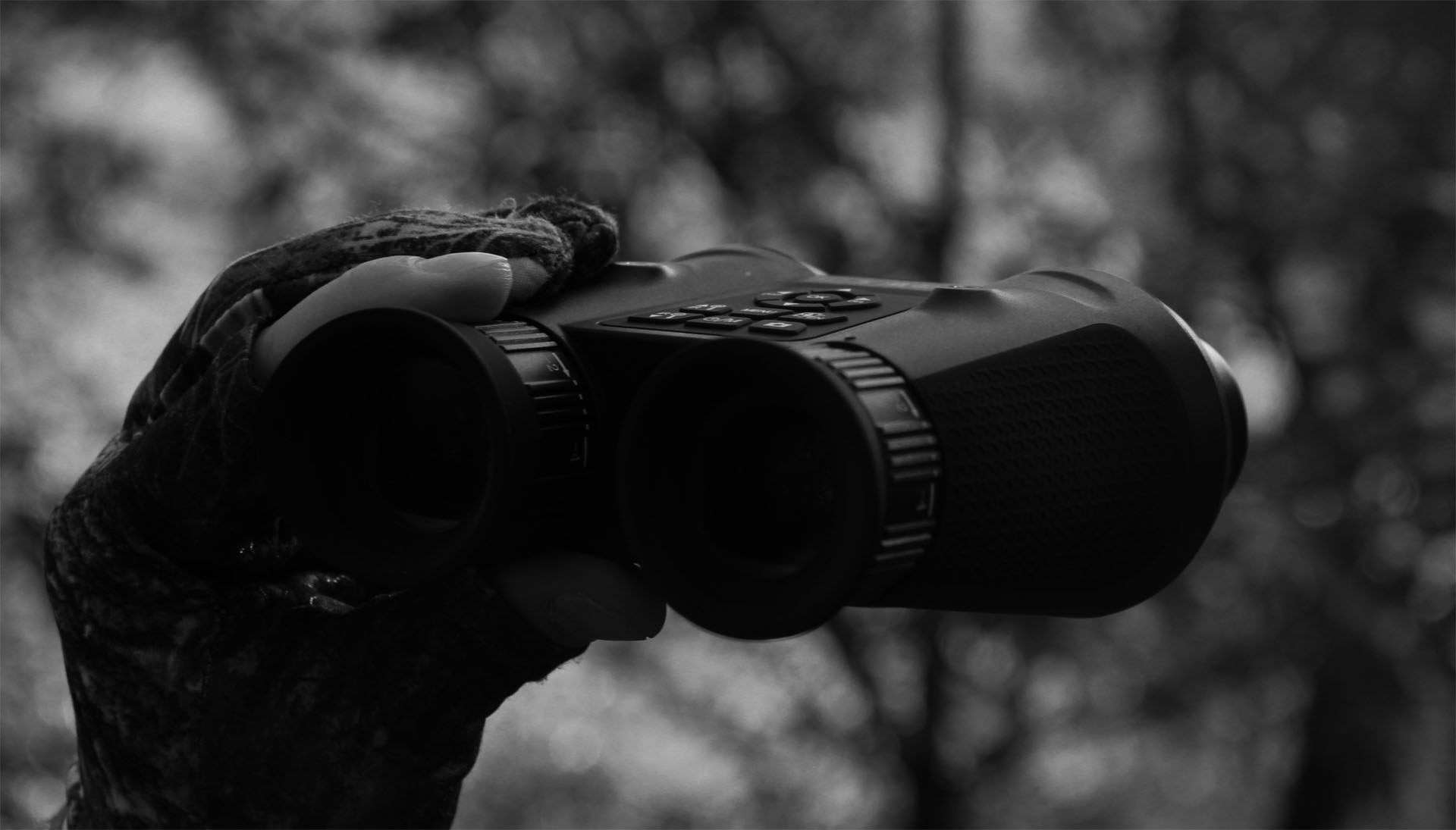
Designed with dual lenses to support binocular observation. Compared to monoculars, it offers a more comfortable experience for extended use and a wider field of view. It is commonly used for wildlife observation, area surveillance, and search and rescue missions.
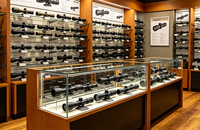
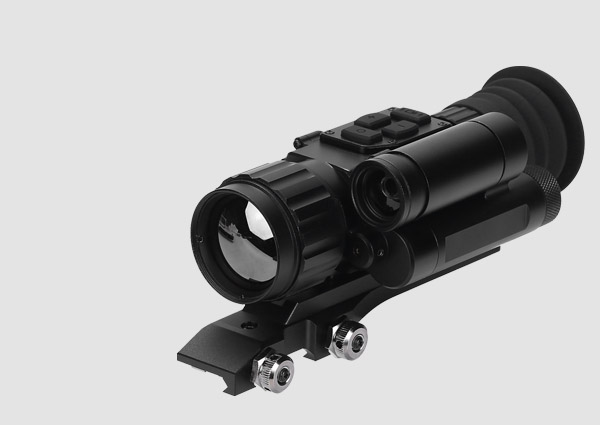
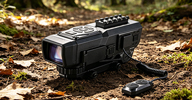
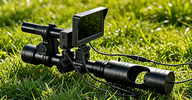
Thermal Scope
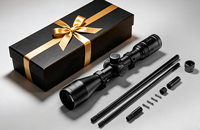
Specifically designed for mounting on equipment, it enables precise identification of distant heat sources in low-light or nighttime environments. It is primarily used for hunting activities and law enforcement operations.
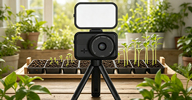
Thermal Camera
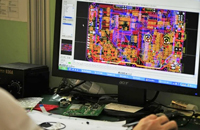
An advanced imaging system capable of detailed thermal analysis of objects, equipment, or environments. It provides high-resolution thermal imaging data and is widely used in building inspections, electrical maintenance, and industrial safety applications.
Application Scenarios
Thanks to their ability to penetrate complete darkness and obstacles like smoke, thermal imaging devices play a critical role in various fields:
Security Monitoring
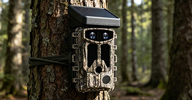
Thermal imaging systems are widely used for nighttime property monitoring. Unlike conventional cameras, they can penetrate darkness and even thick smoke or fog, enabling all-weather surveillance. They are suitable for detecting intrusions in wildlife areas, monitoring high-risk zones, and ensuring safety during outdoor activities.
Search and Rescue Operations
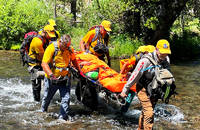
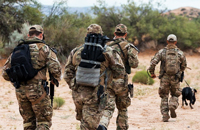
In dark environments or during natural disasters, rescue teams can accurately locate missing persons by detecting body heat signals, even in low-visibility conditions. This makes thermal imaging devices essential tools in rescue missions.
Hunting Activities
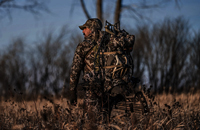
Hunters use thermal scopes and monoculars to detect animal traces at night or in dense vegetation. These devices allow target identification without the need for light sources, meeting the demands of night hunting while minimizing environmental disruption.
Industrial Inspections
By identifying abnormal heat patterns in equipment, machinery, and electrical systems, thermal imaging devices can detect potential failures in advance, enabling predictive maintenance and preventing system breakdowns.
Technical Advantages
Visibility in Complete Darkness: Essential for operations in nighttime and low-light conditions.
Obstacle Penetration: Capable of seeing through smoke, fog, and light vegetation, surpassing the limitations of traditional optical devices.
Safety and Precision: Provides accurate data for critical tasks such as search and rescue and security prevention.
Non-Contact Detection: Requires no direct contact or bright lighting, ensuring operational stealth.
Conclusion
Thermal imaging devices have become indispensable professional tools across multiple fields, significantly enhancing operational safety, efficiency, and precision. From assisting law enforcement in identifying potential threats to aiding hunters in tracking nocturnal prey, these devices offer irreplaceable support in scenarios where traditional optical devices fall short. With ongoing technological advancements, thermal imaging devices are becoming more affordable and user-friendly, providing users with innovative means to perceive the world from a entirely new perspective.