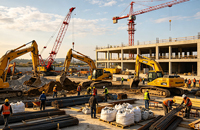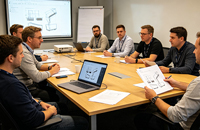
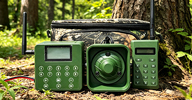
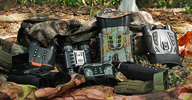
Construction and remote project operators often manage large work areas, temporary facilities, isolated locations, and infrastructure projects where continuous visibility can be difficult to maintain.
Whether you oversee construction sites, utility installations, transportation projects, renewable energy facilities, storage yards, or remote operational areas, maintaining awareness across the entire site is an ongoing challenge.
WILDTIME OUTDOORS provides integrated monitoring solutions including thermal imagers, night vision binoculars, night vision goggles, digital camera binoculars, wildlife cameras, hunting alarm cameras, timelapse cameras, rangefinder binoculars, solar panel systems, and supporting outdoor accessories.
Our goal is to help you improve site visibility, reduce monitoring gaps, simplify remote observation, and build reliable long-term monitoring systems.

Large construction projects often contain multiple work zones, storage areas, access roads, and equipment locations. Relying solely on manual inspections may leave important areas unobserved for extended periods.
WILDTIME helps construction operators create layered monitoring systems that provide broader visibility and improved operational awareness.
A practical site monitoring solution may include:
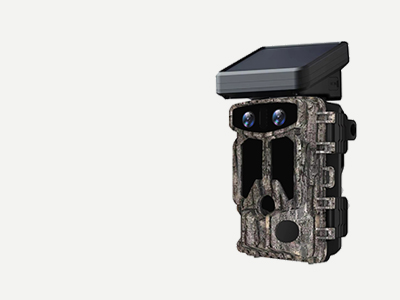
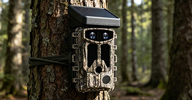
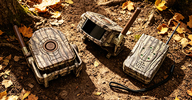
Wildlife Cameras for unattended area observation
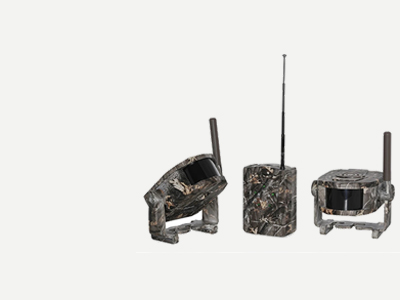
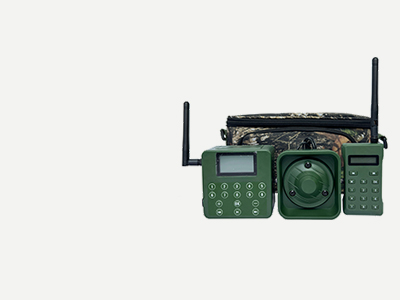
Hunting Alarm Cameras for activity notifications
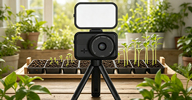
Timelapse Cameras for project progress recording
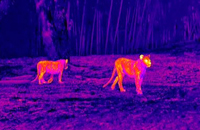
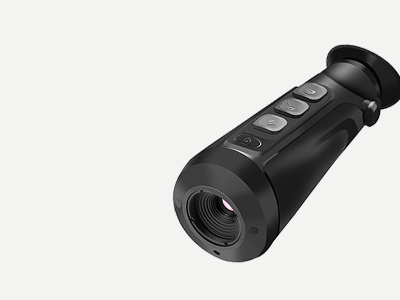
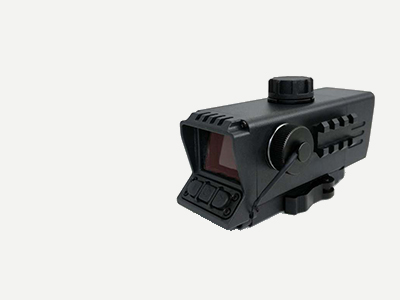
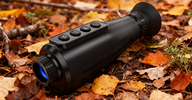
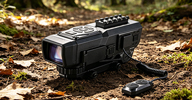
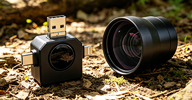
Thermal Imagers for identifying heat-related anomalies
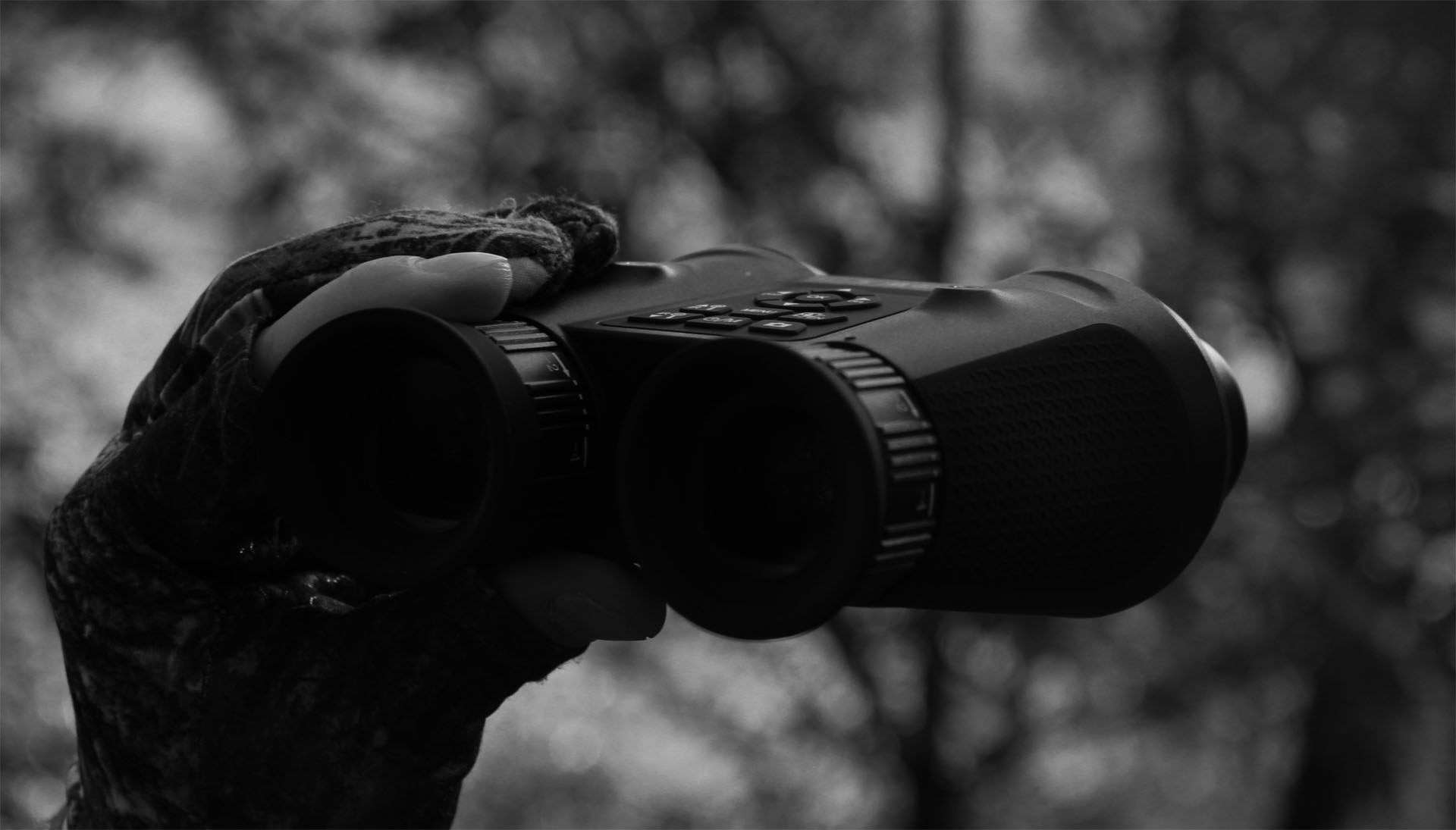
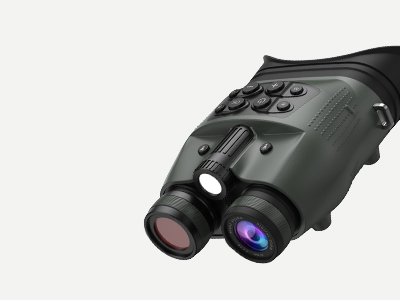
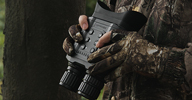
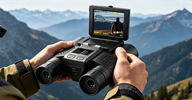
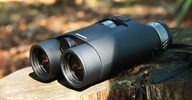
Night Vision Binoculars for low-light site observation
Digital Camera Binoculars for documentation purposes
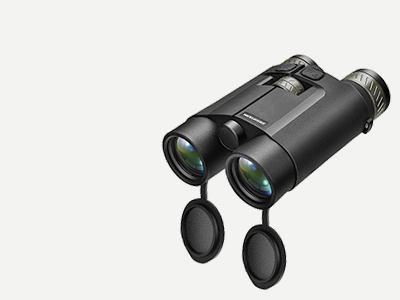
Rangefinder Binoculars for distance evaluation
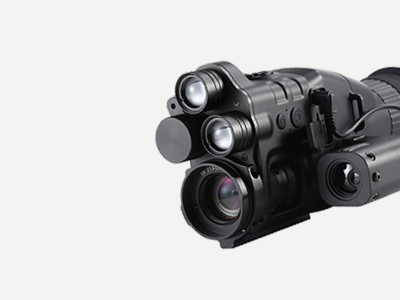
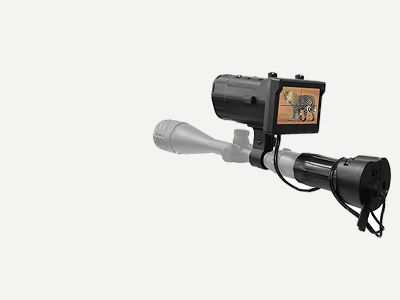
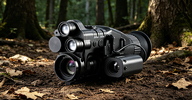
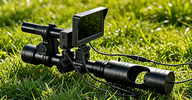
Night Vision Systems for extended monitoring coverage
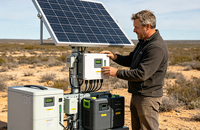
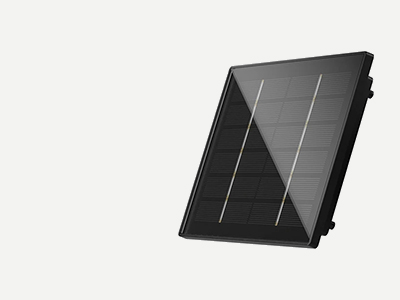
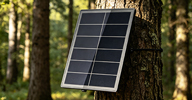
Solar Panel Solutions for remote power support
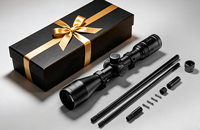
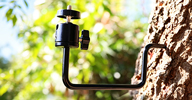
Outdoor Accessories for mounting and deployment
By combining multiple monitoring technologies, you can improve visibility across large projects while reducing the need for constant on-site inspections.
Remote facilities often operate far from permanent supervision. Monitoring systems must remain functional despite changing weather conditions, limited infrastructure, and restricted site access.
That is why many operators choose integrated monitoring solutions rather than relying on a single device.
A complete remote monitoring setup may include:
Timelapse Cameras for construction progress tracking
Wildlife Cameras for scheduled image recording
Hunting Alarm Cameras for movement detection
Thermal Imagers for equipment condition observation
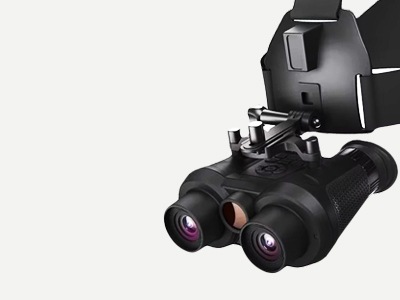
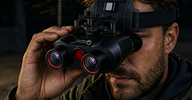
Night Vision Goggles for field inspections
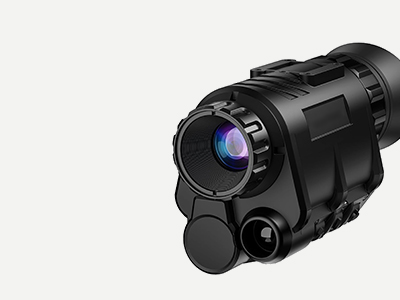
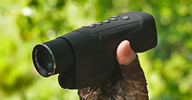
Night Vision Monoculars for rapid verification
Rangefinder Binoculars for site assessment
Solar Panel Systems for off-grid operation
Outdoor Gear for field deployment
Outdoor Accessories for installation support
A well-planned monitoring system helps reduce downtime, improve site awareness, and support better operational decisions.
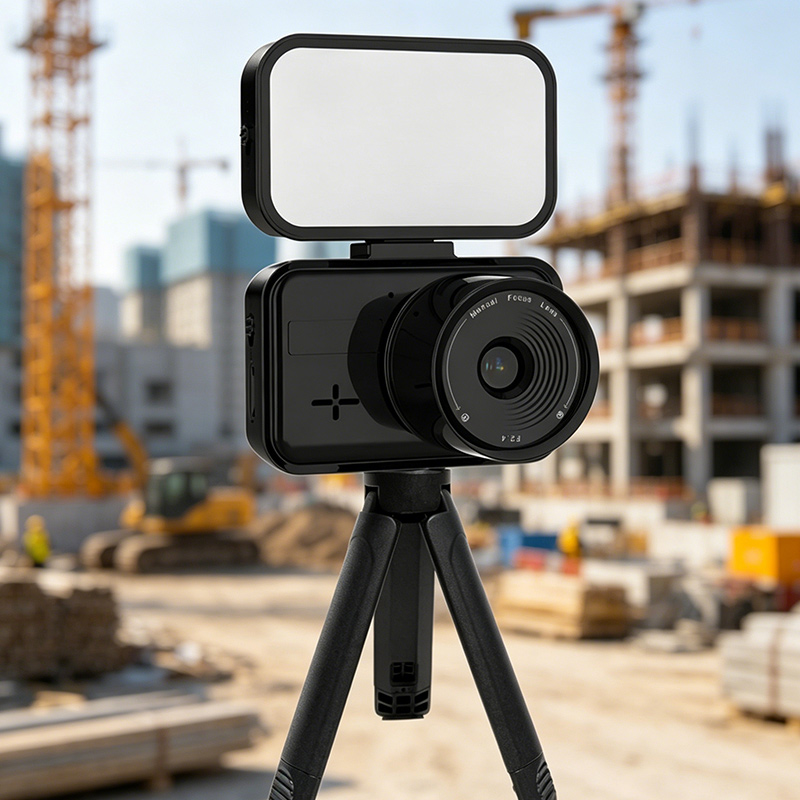
Many operators use wildlife cameras, hunting alarm cameras, timelapse cameras, thermal imagers, and night vision devices. Different products support observation, recording, detection, and monitoring tasks.
Timelapse cameras automatically document site progress over time. They provide a visual record that helps track construction milestones and project development.
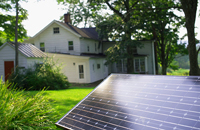
Many remote sites have limited access to permanent power sources. Solar systems help keep monitoring equipment operating for extended periods.
Yes. Remote monitoring allows managers to review site conditions without being physically present as frequently, improving efficiency and saving time.
Night vision binoculars, night vision goggles, and thermal imagers can improve visibility when natural lighting conditions are limited.
Thermal imagers help identify unusual heat patterns that may indicate equipment issues or changing operating conditions.
Yes. Many devices are portable and can be installed, relocated, or redeployed as project requirements change.