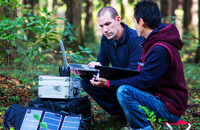

Remote monitoring sounds simple until equipment is deployed far from roads, buildings, or power sources. Many users quickly discover that collecting reliable information over weeks or months is often more difficult than installing a camera.
In real outdoor monitoring environments, users often face challenges such as:
Batteries run out unexpectedly.
Monitoring locations are difficult to access regularly.
Important activity occurs during nighttime hours.
Weather conditions affect equipment performance.
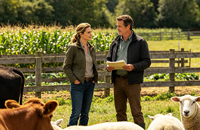
Large properties are difficult to inspect manually.
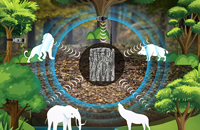
Wildlife movement patterns are hard to predict.
One monitoring device rarely covers every requirement.
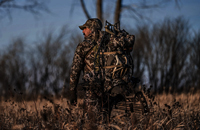
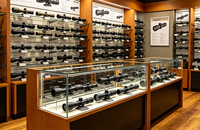
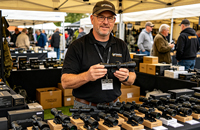
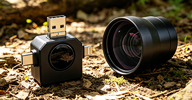
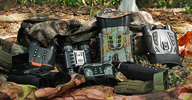
WILDTIME OUTDOORS provides solar-powered remote monitoring solutions designed around these real-world challenges. Our product range includes wildlife cameras, hunting alarm cameras, thermal imagers, night vision binoculars, night vision systems, digital camera binoculars, time lapse cameras, solar panel solutions, rangefinder binoculars, and outdoor accessories.
Rather than offering individual products alone, we help customers build complete remote monitoring systems that operate longer, require less maintenance, and deliver more useful field information.


Many customers initially purchase one camera and quickly realize that power management, nighttime visibility, detection capability, and long-term reliability are equally important.
That is why WILDTIME OUTDOORS focuses on complete monitoring solutions instead of individual devices.
For solar-powered remote monitoring, a practical equipment combination may include:
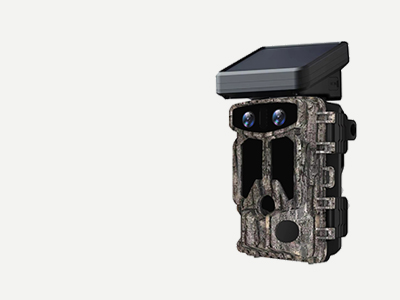
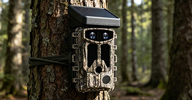
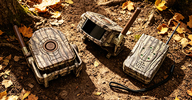
Wildlife cameras for automatic activity recording
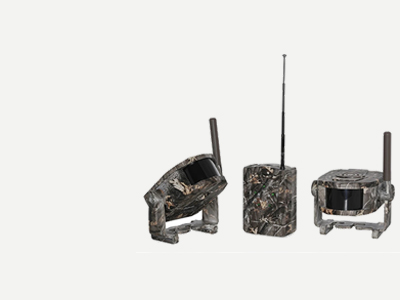
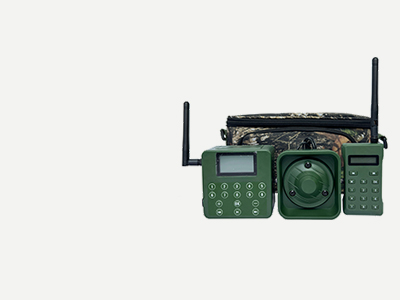
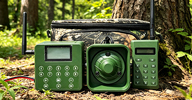
Hunting alarm cameras for motion-triggered monitoring
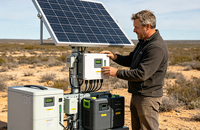
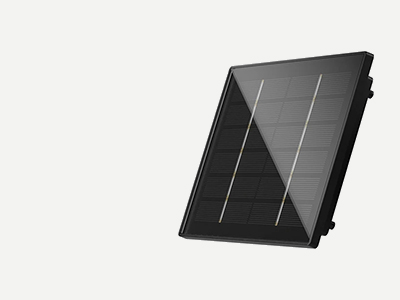
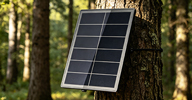
Solar panel solutions for extended outdoor operation
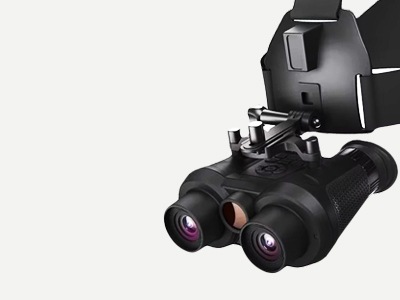
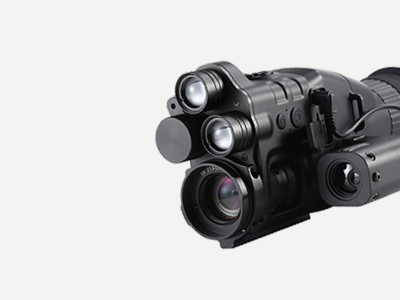
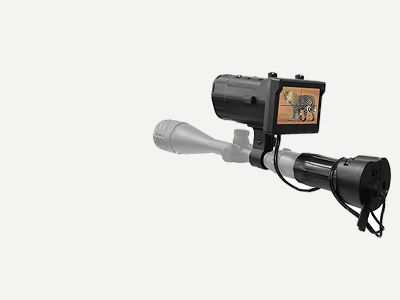
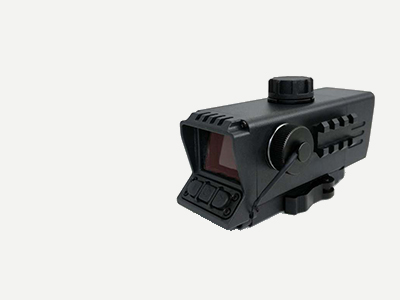
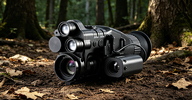
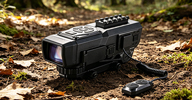
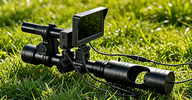
Night vision systems for low-light observation
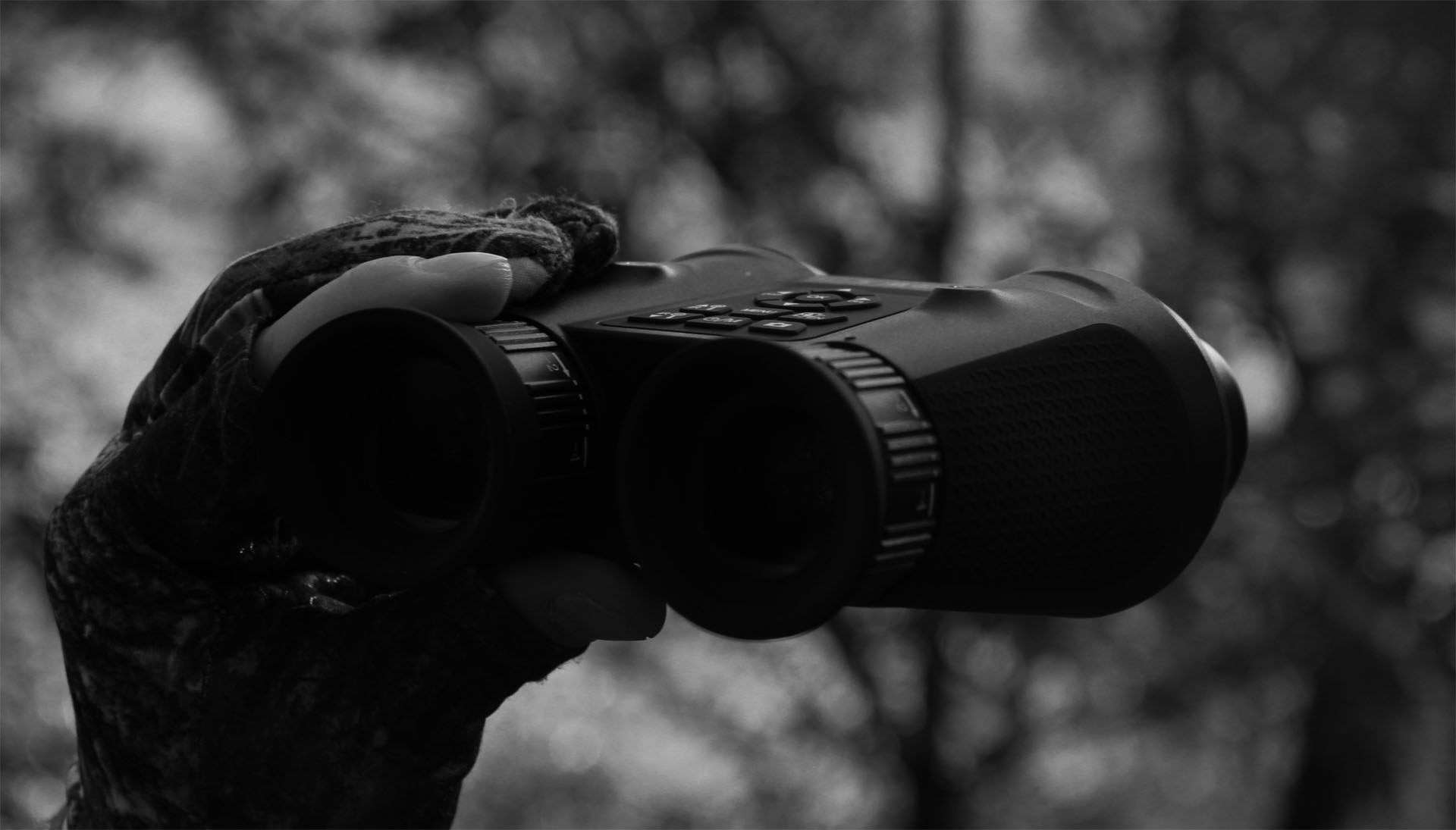
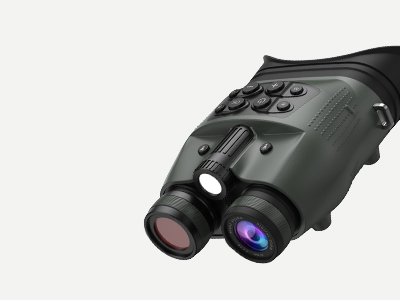
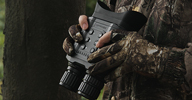
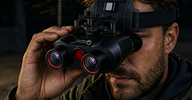
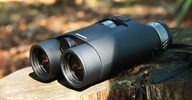
Night vision binoculars for mobile inspections
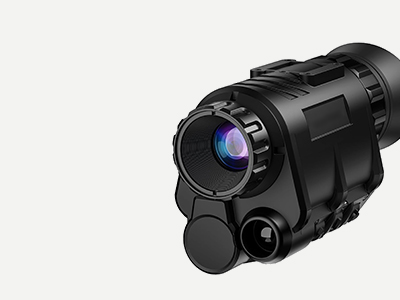
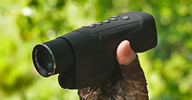
Night vision monoculars for quick field checks
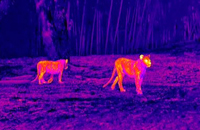
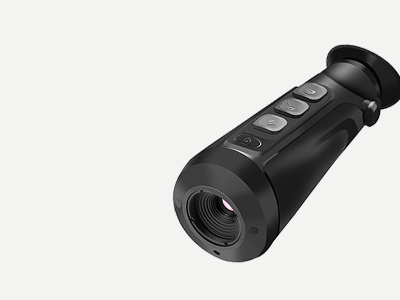
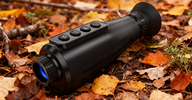
Thermal imagers for heat-source detection
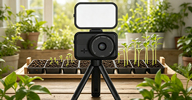
Time lapse cameras for long-term environmental recording
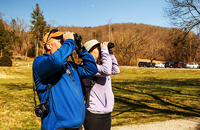
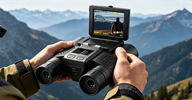
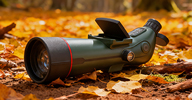
Digital camera binoculars for observation and documentation
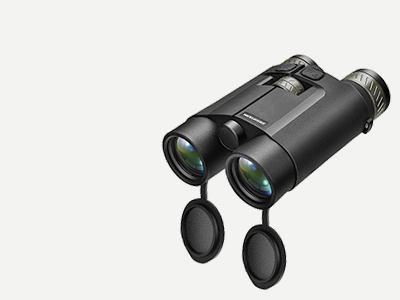
Rangefinder binoculars for distance evaluation
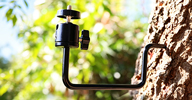
Outdoor accessories for installation, mounting, and field deployment
By combining these products, users can build monitoring systems that remain operational longer, collect more useful information, and reduce the need for constant maintenance visits.
Common products include wildlife cameras, hunting alarm cameras, solar panel solutions, thermal imagers, night vision systems, time lapse cameras, and digital camera binoculars. Different products perform different tasks, and combining them often creates a more complete monitoring solution.
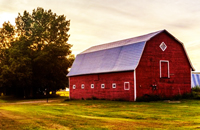
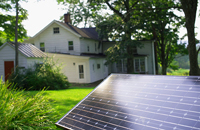
Many monitoring locations are far from electrical infrastructure and difficult to access regularly. Solar panels help keep equipment powered for longer periods, reducing battery replacement frequency and minimizing system downtime.
Yes. Many users deploy monitoring systems for extended periods throughout different seasons. Performance depends on sunlight availability, equipment power consumption, installation location, and overall system design.
Night vision binoculars, night vision systems, thermal imagers, and alarm cameras are commonly used for nighttime observation. These devices help users maintain visibility and detect movement when natural light is limited.
Wildlife cameras and hunting alarm cameras automatically record activity when movement occurs. This allows users to collect valuable information over time while reducing unnecessary field visits.
Yes. Thermal imagers help detect heat sources that may be difficult to see with standard optics. They can improve detection efficiency in darkness, vegetation, fog, and other challenging environments.
Time lapse cameras capture gradual environmental changes over long periods. They are useful for monitoring habitat development, seasonal changes, vegetation growth, construction progress, and other long-term projects.