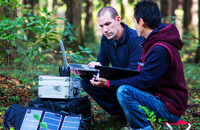







Solar-powered remote and off-grid customers often operate in environments where traditional power infrastructure is unavailable, unstable, or too costly to maintain. In these cases, the success of any monitoring or field system depends not only on the devices themselves, but on whether they can operate continuously with stable energy support and minimal human intervention.
For remote property owners, infrastructure operators, environmental teams, and off-grid project planners, the key challenge is building systems that can run independently for long periods while still delivering reliable observation, recording, and situational awareness.
WILDTIME OUTDOORS provides integrated solutions combining low-power monitoring devices, solar energy systems, long-range observation tools, and autonomous recording equipment designed specifically for off-grid deployment scenarios.
Our goal is to help off-grid users build self-sustaining monitoring systems that remain active, stable, and reliable in remote environments without continuous external power support
Off-grid environments require more than just individual solar panels or standalone monitoring devices. Effective operation depends on a balanced system where energy generation, power storage, observation tools, and recording devices work together efficiently.
That is why WILDTIME OUTDOORS focuses on system-based combinations designed for continuous energy-supported field operation.
A practical solar-powered off-grid setup may include:
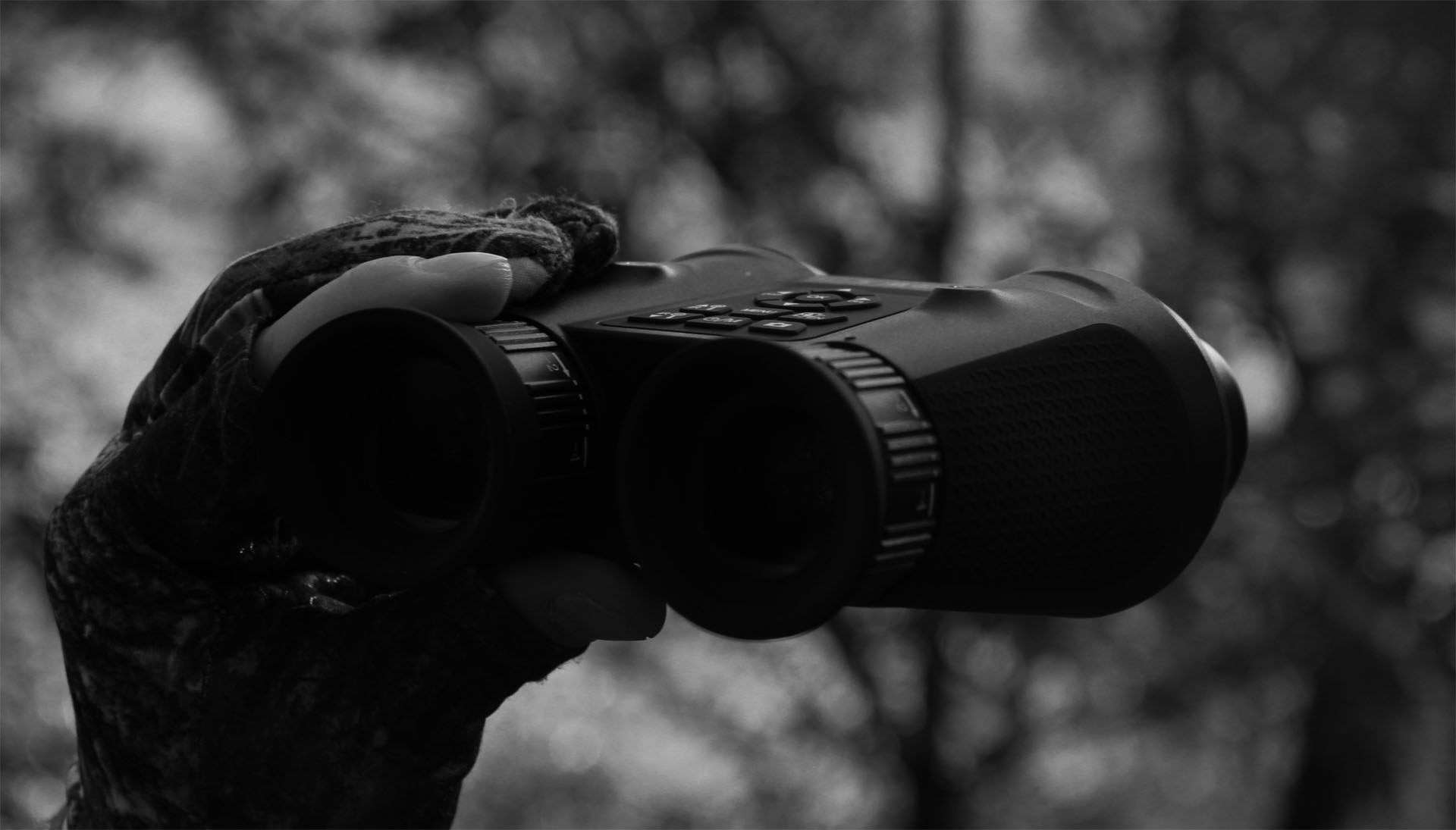
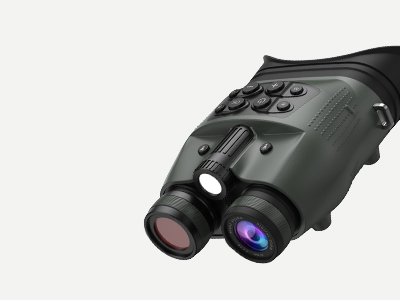
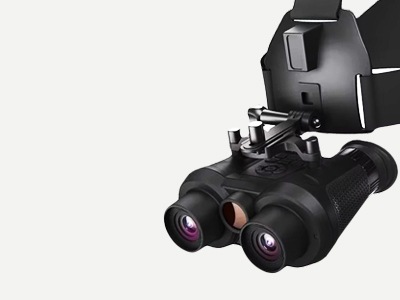
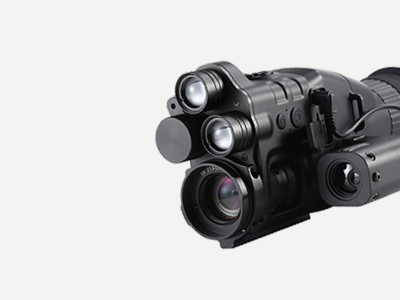
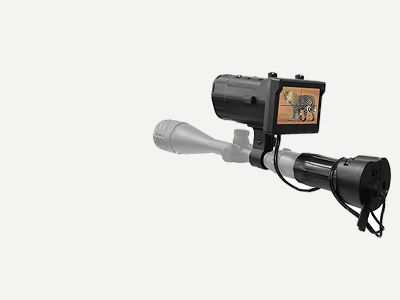
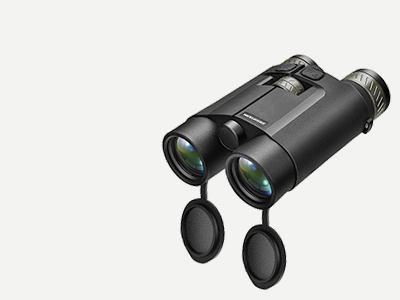
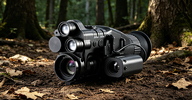
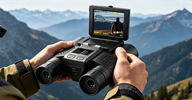
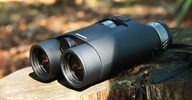
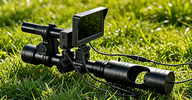
Low-power night vision binocular systems for nighttime environmental awareness
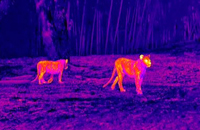
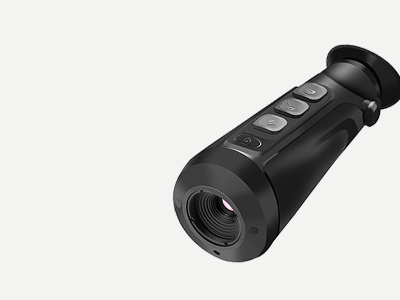
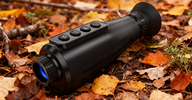
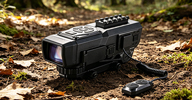
Thermal imaging devices for detecting environmental changes in low-visibility conditions
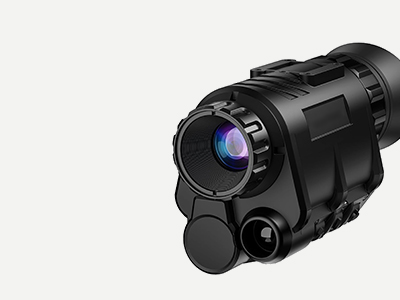
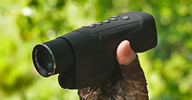
Compact night vision monocular units for mobile inspection and quick checks
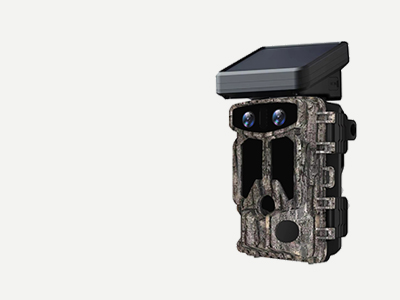
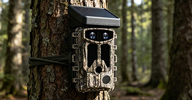
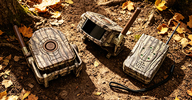
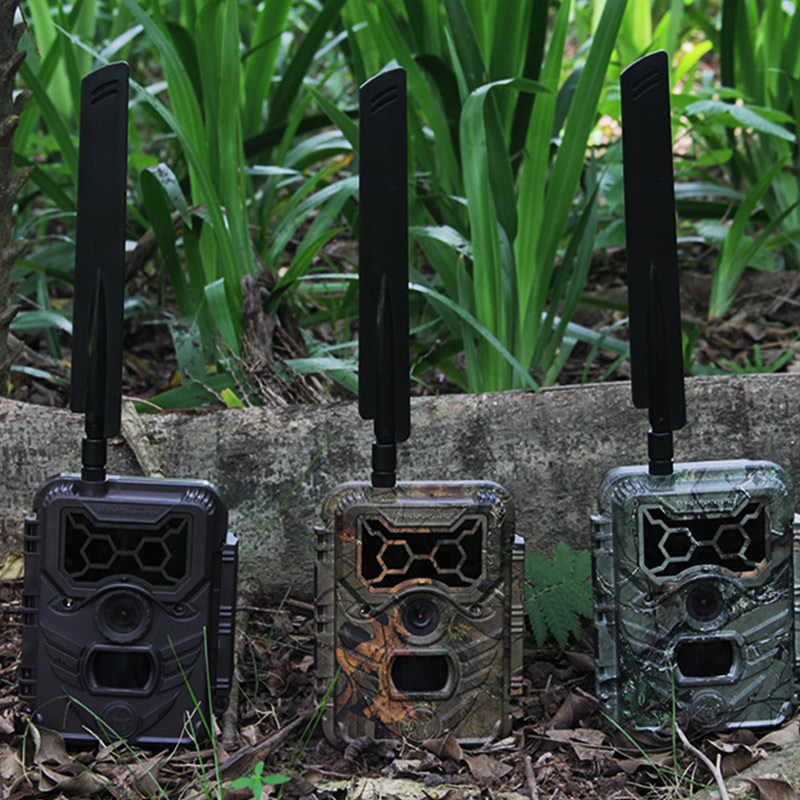
Wildlife and environmental cameras for automated long-term recording
Timelapse systems for tracking slow environmental or structural changes
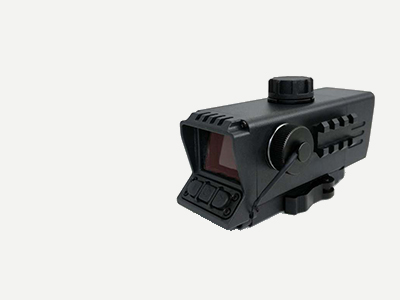
Range measurement devices for spatial understanding in large remote areas
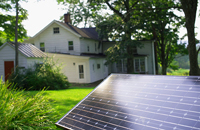
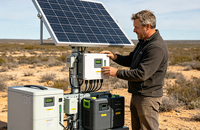
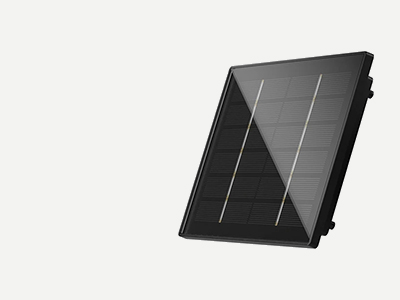
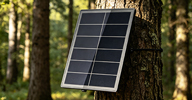
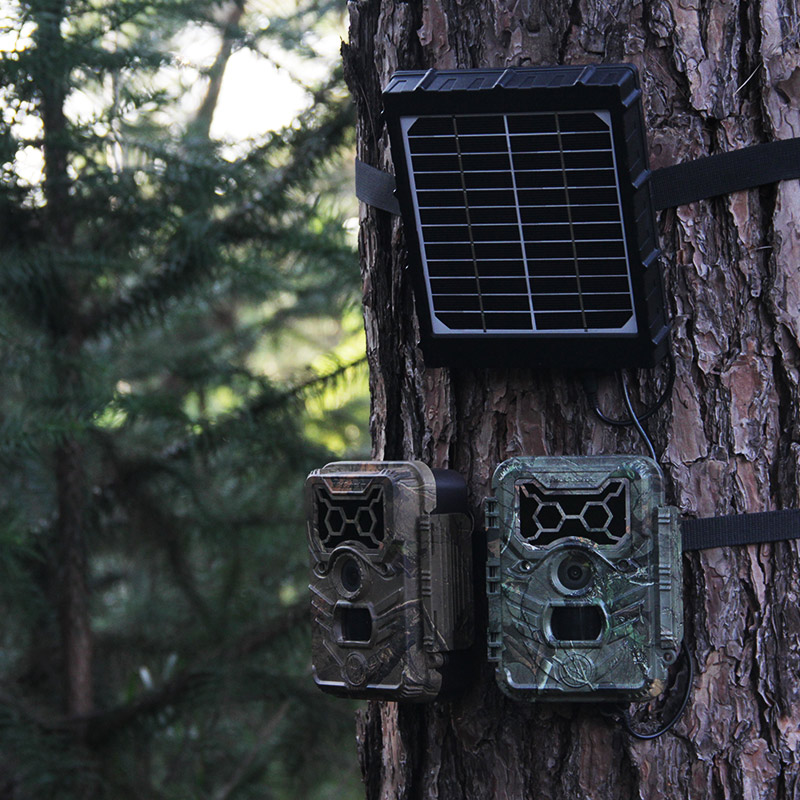
Solar power systems for continuous energy supply and battery support
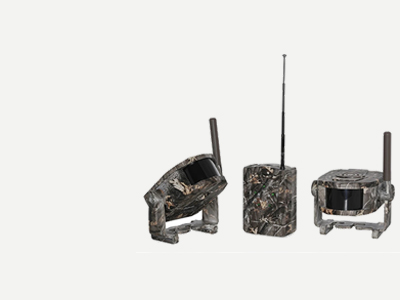
Outdoor accessories for secure installation, weather resistance, and long-term stability
When these components are integrated into a single energy-supported system, off-grid users can maintain continuous monitoring without frequent maintenance visits, power interruptions, or data loss in remote environments.
In many off-grid projects, system failure is not caused by equipment quality, but by insufficient energy planning or lack of coordination between devices and power sources. Without integration, even high-quality equipment can become unreliable in remote conditions.
Common challenges include:
Power interruptions causing gaps in monitoring coverage
Short operational cycles due to insufficient energy storage planning
Incomplete data collection during long unattended periods
Inconsistent system performance across different environmental conditions
Frequent maintenance requirements in hard-to-access locations
Reduced reliability of standalone devices without energy optimization
By combining solar energy systems with low-power monitoring devices, WILDTIME OUTDOORS helps off-grid users achieve continuous operation, reduce maintenance dependency, and maintain stable long-term system performance in remote environments.
Yes, when paired with solar power systems and energy-efficient devices, setups can operate independently for long periods. Proper configuration is key to ensuring stability.
Solar panels charge storage systems during daylight, allowing devices to operate during night-time or low-light conditions. This ensures uninterrupted monitoring cycles.
Yes, many configurations are designed for minimal maintenance and long-duration use. This reduces the need for frequent on-site visits in remote areas.
Yes, systems can be designed to support multiple low-power devices simultaneously. Energy planning depends on project scale and monitoring requirements.
Thermal imaging helps detect environmental changes and movement patterns even in complete darkness or low-visibility conditions. This improves overall situational awareness.
Data can be stored locally or structured into periodic retrieval workflows depending on system design. This ensures information remains accessible even in isolated environments.
Low-power design reduces energy consumption, allowing longer operation with limited solar input. This improves system stability and reduces battery load.