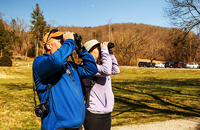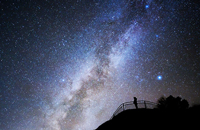
Astronomy and sky viewing are not just about looking upward. They are about patience, clarity, stability, and the ability to observe faint details under constantly changing light conditions. Whether you are in a backyard, mountain area, desert, or remote campsite, the challenge is always the same: light pollution, unstable visibility, and limited equipment performance often reduce what you can actually see.
In real sky observation scenarios, users often face similar frustrations:
Light pollution reduces visibility of faint objects.
Atmospheric haze makes distant details unclear.
Handheld shaking affects long-distance viewing stability.
Temperature changes impact imaging clarity.
Finding and tracking moving celestial objects is difficult without support tools.
Long observation sessions require stable power and setup support.
A single device often cannot cover all viewing conditions.
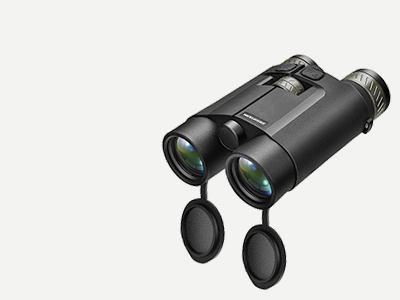
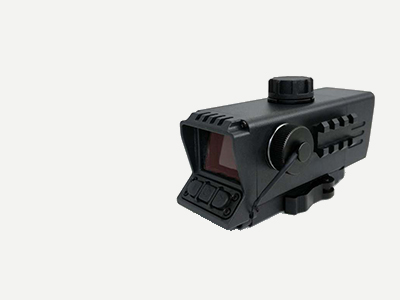
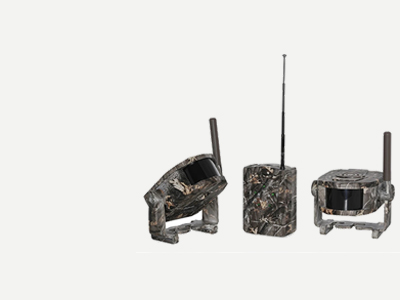
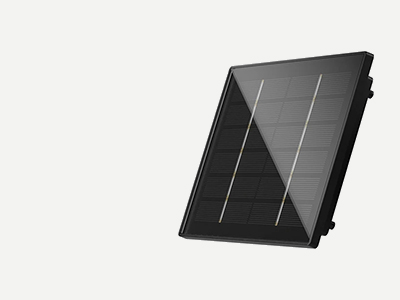
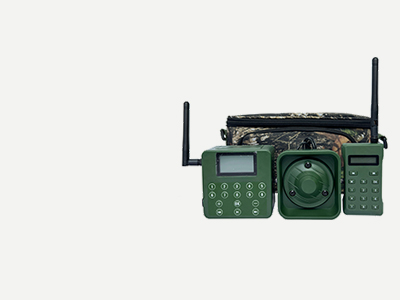
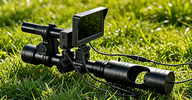
WILDTIME OUTDOORS provides a complete range of observation solutions built to support real outdoor viewing conditions. Our product lineup includes spotting scopes, digital camera binoculars, night vision binoculars, night vision monoculars, thermal imagers for environmental contrast viewing, time lapse cameras, rangefinder binoculars for distance reference, and solar panel solutions for long-session outdoor power support.
Our goal is not just to provide viewing equipment. We help users build practical observation setups that match real sky watching environments, from casual stargazing to structured field research.
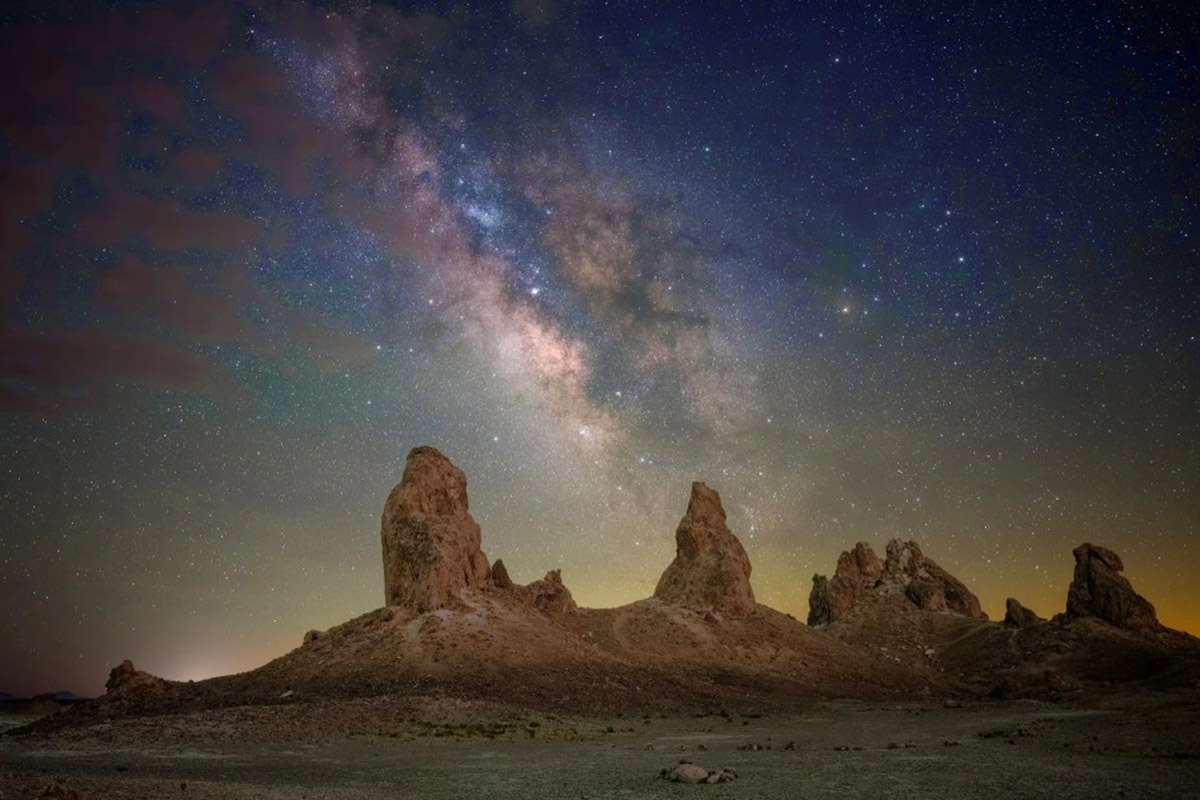
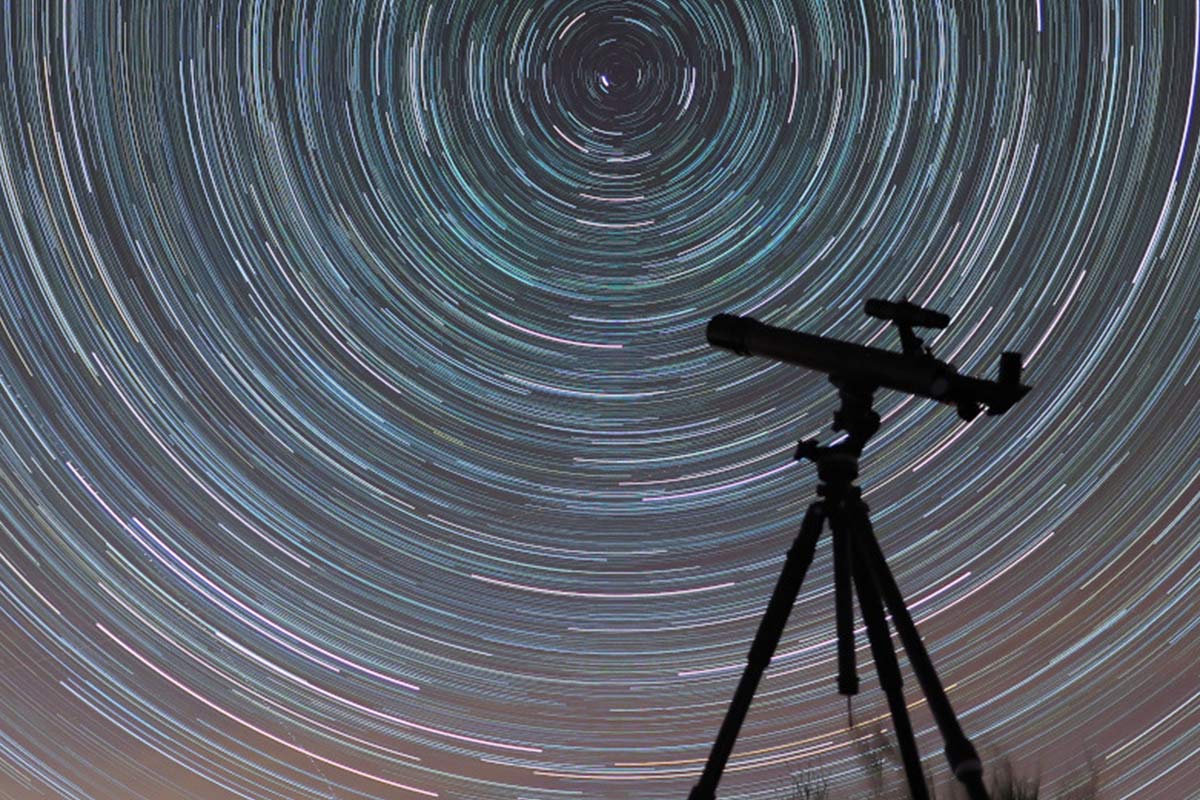
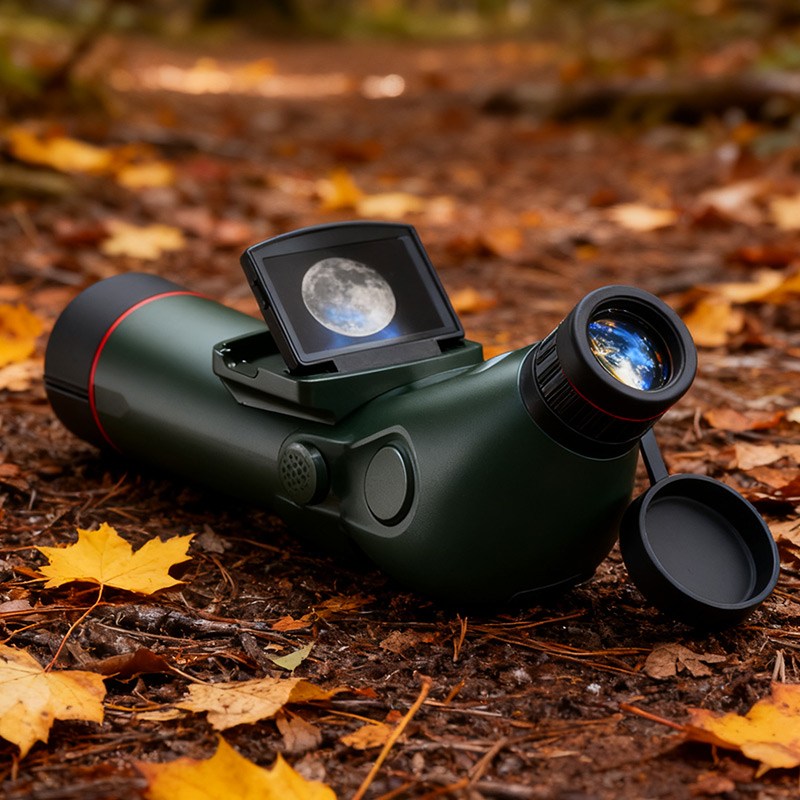
Astronomy and sky viewing require more than magnification alone. Different conditions demand different tools—some for clarity, some for stability, some for recording, and some for power support.
That is why WILDTIME OUTDOORS focuses on complete observation combinations, not single devices.
A practical sky observation setup may include:
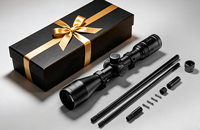
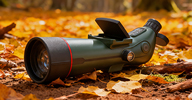
Spotting scopes for long-distance clarity
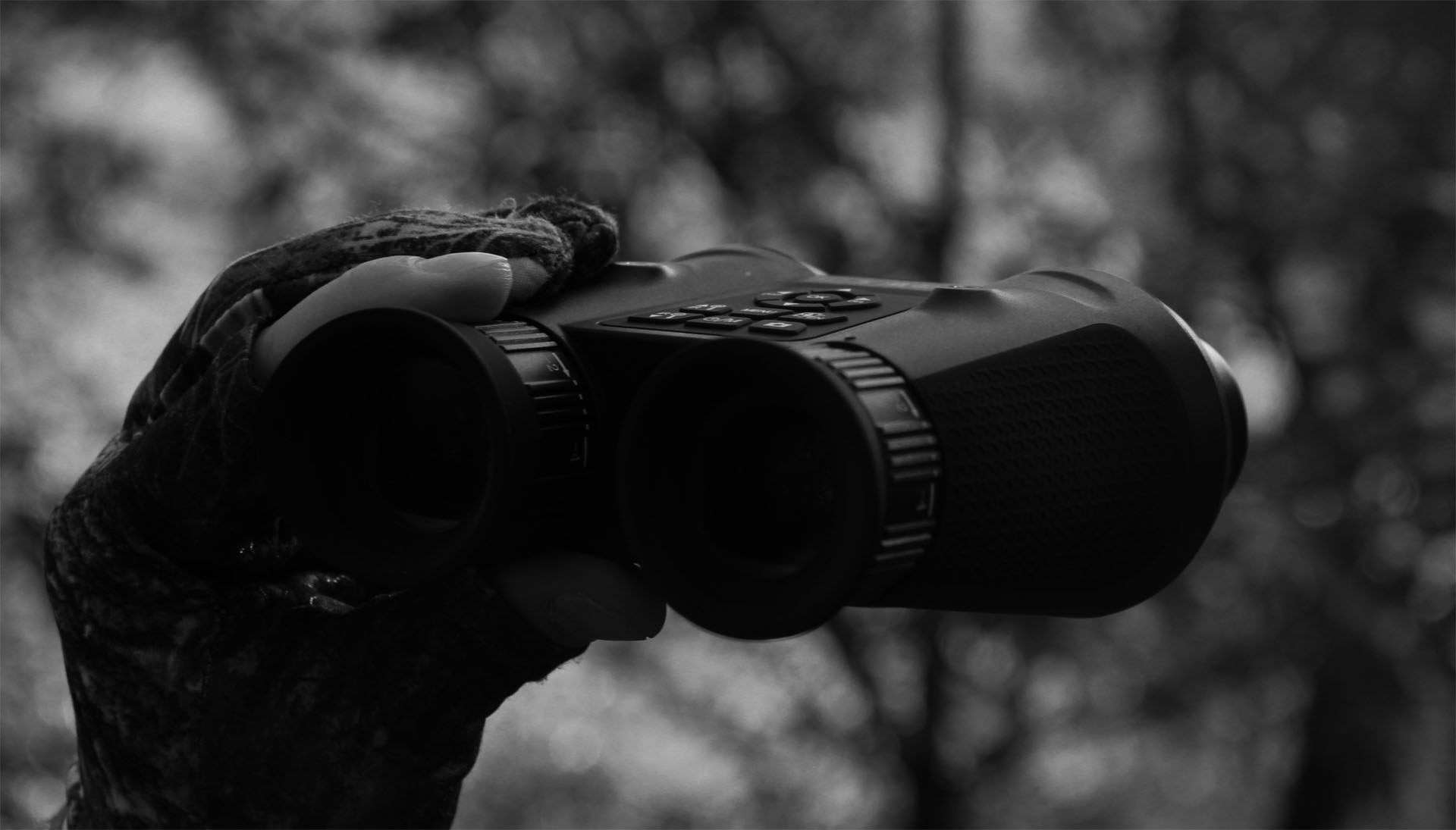
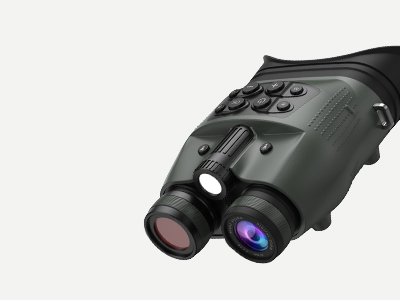
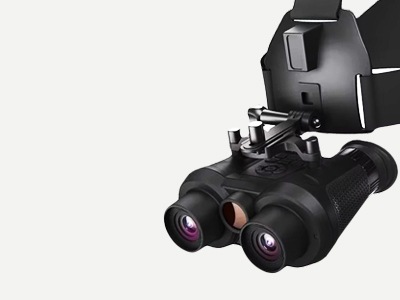
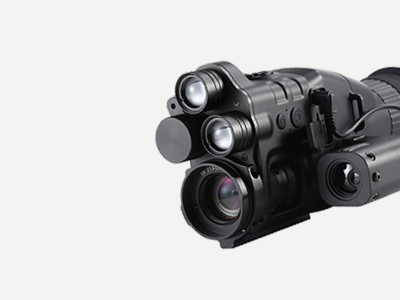
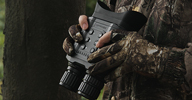
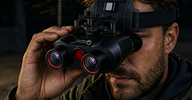
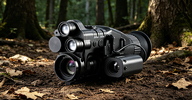
Night vision binoculars for low-light environmental awareness
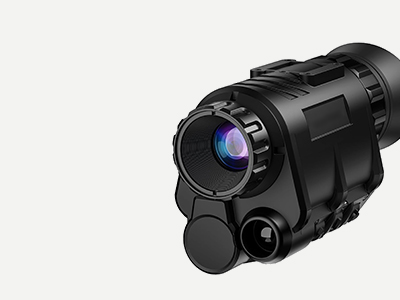
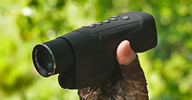
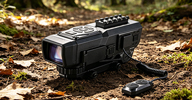
Night vision monoculars for quick scanning and target locating
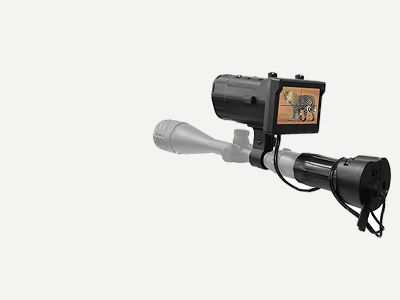
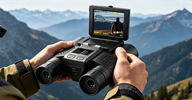
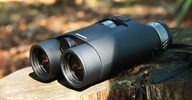
Digital camera binoculars for recording and documentation
Rangefinder binoculars for distance reference and alignment support
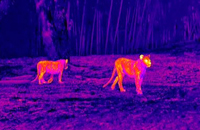
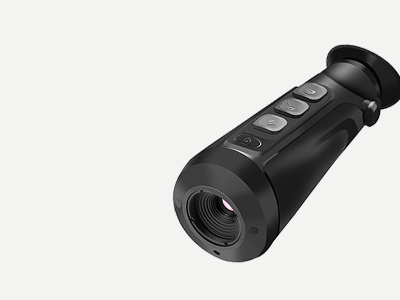
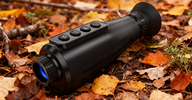
Thermal imagers for environmental contrast detection in field conditions
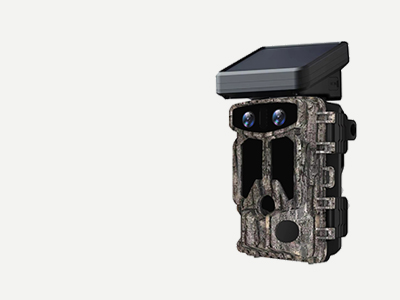
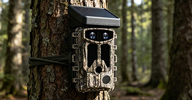
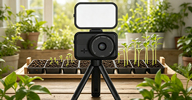
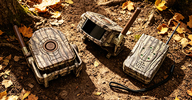
Time lapse cameras for long-duration sky recording
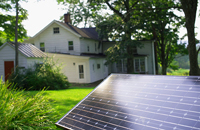
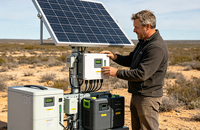
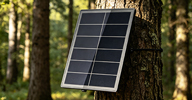
Solar panel kits for remote or extended outdoor sessions
Outdoor gear and accessories for stability and setup support
This combination approach allows users to adapt to different viewing conditions instead of relying on a single tool that cannot perform in all environments.
Suitable equipment includes spotting scopes, rangefinder binoculars, night vision monoculars, digital camera binoculars, and time lapse cameras. These tools help improve clarity, stability, and recording ability during long observation sessions under different sky conditions.
Yes, but performance depends on the level of light interference. High-quality optical systems and contrast-enhancing devices help improve visibility, especially when observing brighter celestial objects or nearby sky details.
Yes. Digital camera binoculars and time lapse cameras allow you to capture and review observation results. This is especially useful for learning, comparison, or documenting long observation sessions.
For long-distance or extended viewing, stability tools are highly recommended. They help reduce shaking and improve clarity, especially when tracking moving objects in the sky.
Yes. Many observation activities take place in remote areas where power and lighting are limited. Solar solutions and portable gear help support longer and more stable field sessions.
Different devices serve different roles such as viewing, tracking, recording, and measuring distance. Using a combination ensures more complete coverage of real observation needs.
Yes. Entry-level users can start with simple optical tools and gradually expand into more advanced systems as their observation experience grows.