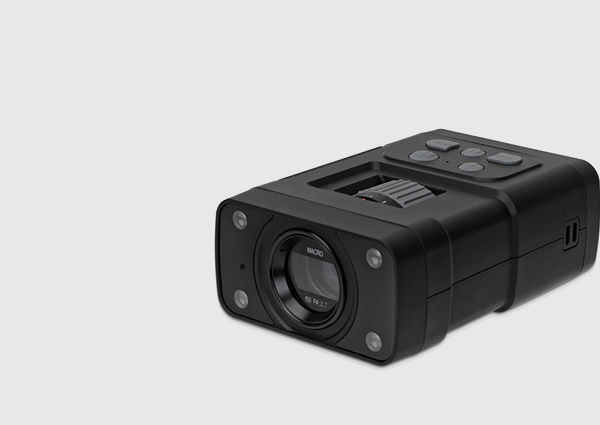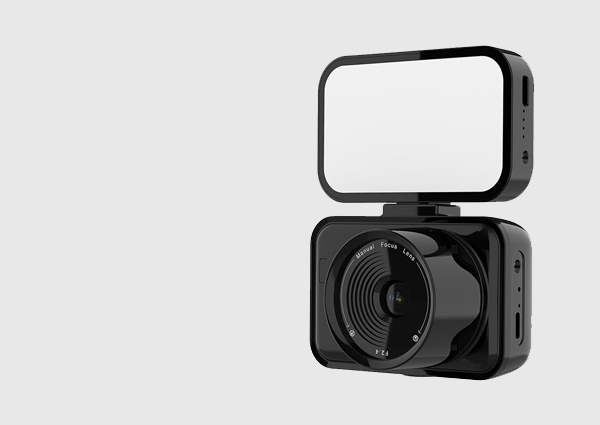
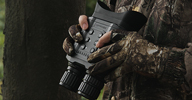
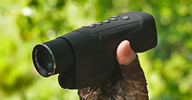
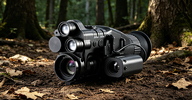
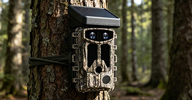
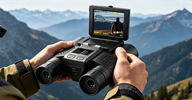
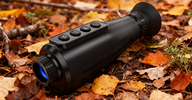
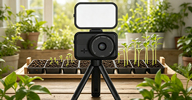
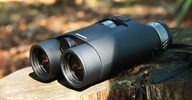
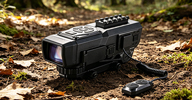
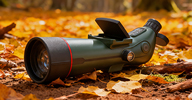
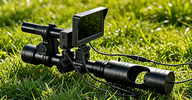
A Time-Lapse Camera captures images at set intervals over long periods. These images are then combined into a video that shows slow or gradual changes in a condensed format. Whether you’re documenting the changing seasons, plant growth, or the progress of a construction project, time-lapse cameras make it possible to see hours, days, or even months of change in just a few minutes of footage. This technology is used in fields ranging from art to science, offering a unique way to visualize the passage of time.
You can set the camera to take pictures at different intervals, from every second to several hours, depending on your subject. For example, capturing a sunset requires a shorter interval, while tracking the growth of a tree might require longer intervals. This flexibility lets you tailor the camera to your project’s needs.
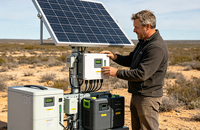
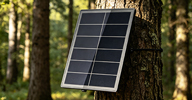
These cameras are built to operate for extended periods without needing frequent recharging. Whether you’re documenting an outdoor project or tracking changes over several days, long battery life ensures that the camera keeps working, even in remote locations with no access to power.
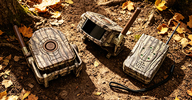
Time-lapse cameras are designed to handle harsh outdoor conditions. They are weatherproof, resistant to rain, snow, and extreme temperatures, making them perfect for capturing footage in diverse environments like forests, deserts, or urban areas.
Time-lapse cameras are equipped with high-resolution sensors to capture clear, detailed images. This ensures that the final video is visually sharp and vibrant, whether you’re recording a beautiful landscape or a construction project.
Time-lapse cameras are generally simple to use, with intuitive menus and easy-to-understand controls. Many models also offer mobile apps, allowing you to control the camera remotely. Even first-time users can quickly learn to set up and begin capturing time-lapse footage.
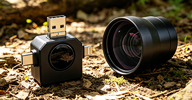
With substantial internal storage and the ability to add external memory cards, time-lapse cameras can store thousands of photos, allowing you to capture long-term projects without worrying about running out of space.
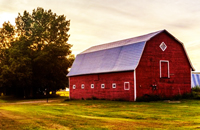
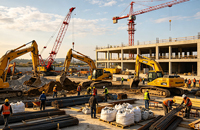
Time-lapse cameras are a great way to document the progress of construction projects. By capturing images from start to finish, they create a compressed timeline that shows the entire development, from breaking ground to the final build. This footage can be used for project reviews, marketing, or sharing with clients.
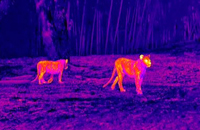
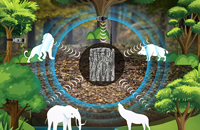
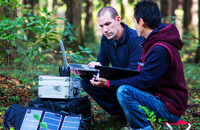
Used widely by researchers and environmentalists, time-lapse cameras help monitor changes in ecosystems, plant growth, or animal behavior. They can be placed in remote locations to track phenomena like weather changes, seasonal shifts, or the development of wildlife habitats over time.
Artists, filmmakers, and photographers love using time-lapse cameras to capture stunning visuals. Whether it’s a cityscape at night or the slow movement of clouds, time-lapse photography offers a unique perspective. It’s also used to document the creative process, such as time-lapse paintings or sculpture creation.
Time-lapse cameras are valuable for scientific studies that involve long-term observation. From tracking the movement of glaciers to studying plant responses to different light conditions, these cameras help researchers document gradual changes that are otherwise difficult to observe in real time.
For personal use, time-lapse cameras can be used to document things like home renovations, garden growth, or family events. It’s a fun and creative way to capture everyday moments and turn them into compelling videos that showcase long-term change.
Instead of hiring professionals to document long-term projects, purchasing a time-lapse camera is a one-time investment. These cameras are designed to last for years and can be used for multiple projects, making them a budget-friendly solution for both individuals and businesses.
Some advanced models offer Wi-Fi or cellular connectivity, allowing users to monitor and control the camera remotely. This feature is especially useful for long-term, remote projects where access to the camera is limited.
Time-lapse videos are powerful teaching tools. They can be used in classrooms to demonstrate biological processes like photosynthesis or the changing of seasons. Time-lapse footage helps students visualize concepts that would be hard to grasp through traditional teaching methods.
A time-lapse camera is an essential tool for anyone who wants to capture long-term changes in a condensed format. Whether for personal projects, artistic endeavors, or professional work, time-lapse cameras offer a simple, powerful way to document time. With their long battery life, weatherproof durability, and high-quality images, these cameras are a versatile addition to your toolkit. They allow you to create stunning, visually captivating videos that showcase the world in motion.