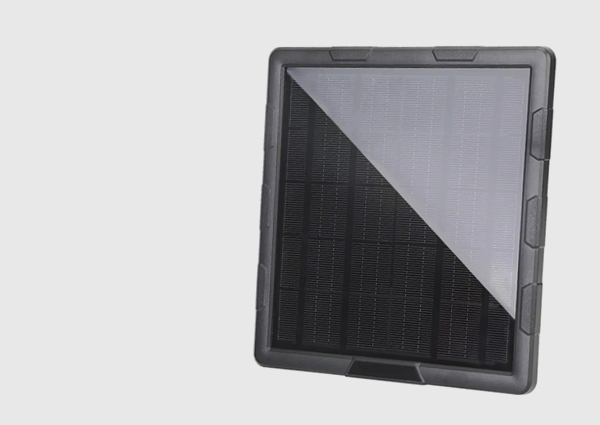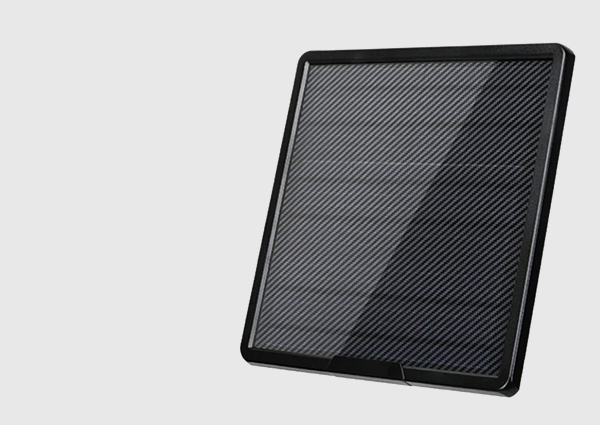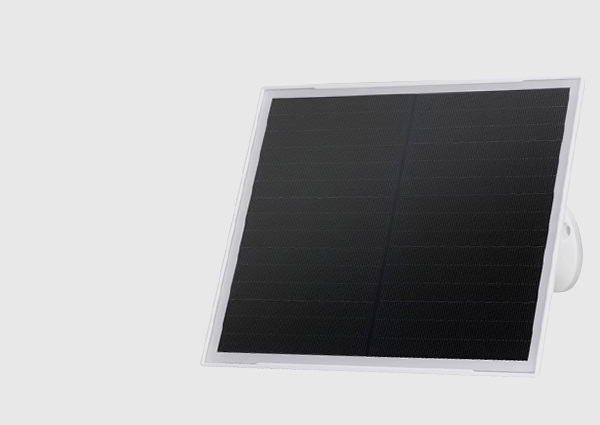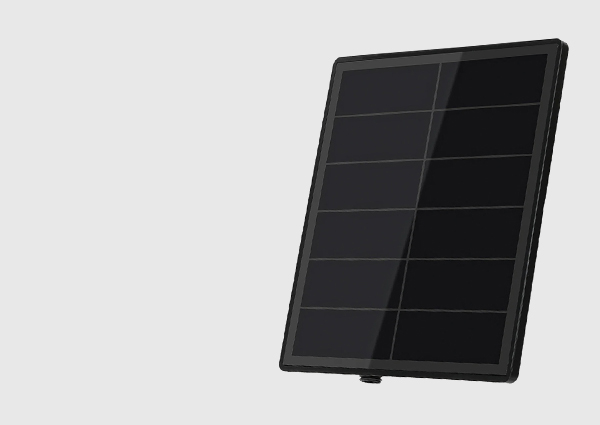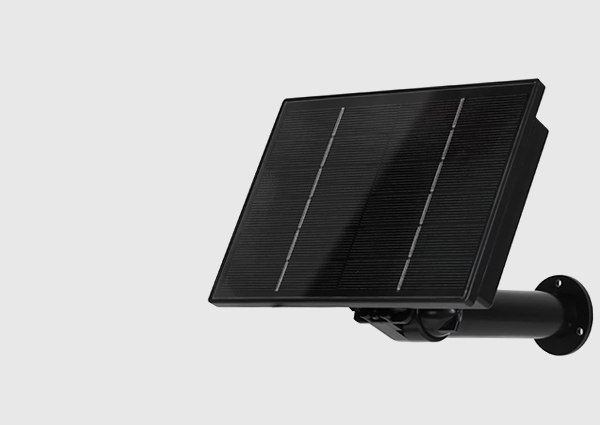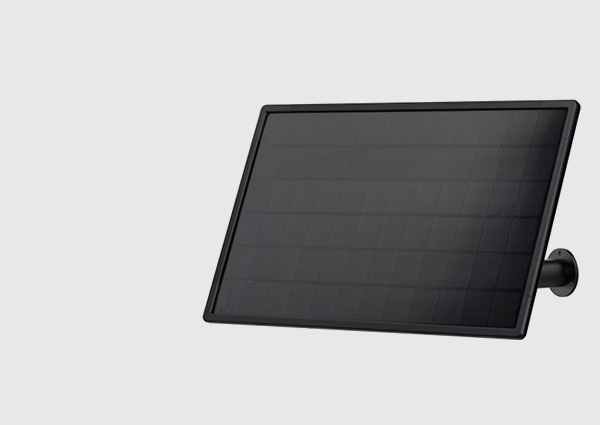

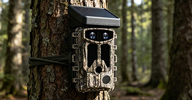

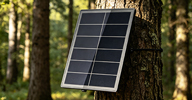
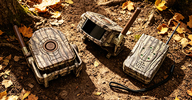

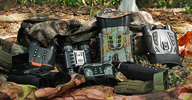
When it comes to monitoring wildlife or securing remote outdoor areas, trail cameras are a reliable and widely-used tool. But powering them—especially over long periods in the wild—can be a real challenge. That’s where solar panel chargers come in. Designed to convert sunlight into electricity, these chargers offer a sustainable and low-maintenance solution to keep trail cameras running without frequent battery changes.
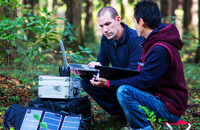
Trail cameras are often placed in hard-to-reach areas like forests, game trails, farms, and mountain ridges—places with no access to electricity. Carrying spare batteries or hiking out to replace them regularly is not only inconvenient, it can disturb wildlife and increase human scent in sensitive areas. A solar charger allows the camera to draw power directly from the sun, greatly extending its runtime and minimizing the need for site visits.
One of the biggest benefits of using a solar charger is that it offers a sustainable and eco-friendly power source. There’s no need to constantly purchase and dispose of batteries, which can become expensive and harmful to the environment over time. With solar power, you get a clean energy solution that works quietly and efficiently in the background, especially in sunny climates or during spring and summer.
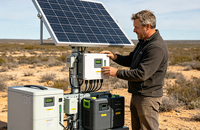
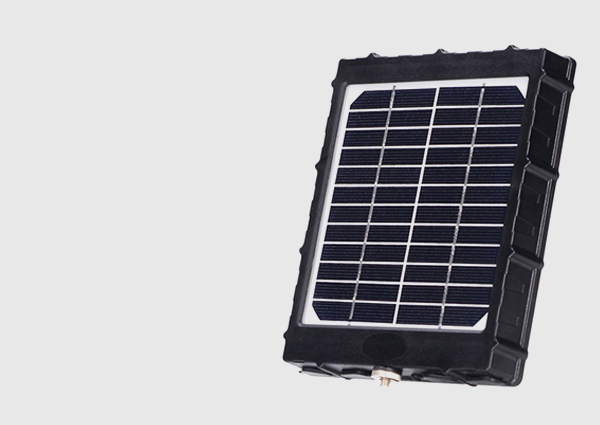
Most solar panel setups don’t power the camera directly. Instead, they charge a rechargeable battery pack—either internal or external—which then powers the camera. This hybrid system ensures that your trail cam can still operate at night or during cloudy days. Some solar chargers come with built-in lithium batteries, while others are meant to charge third-party battery boxes that plug into your camera’s power input.
Though solar panel chargers cost more upfront compared to a pack of AA batteries, they pay for themselves over time. By eliminating the need for regular battery replacements and reducing the risk of downtime (i.e., your camera missing footage because the batteries died), they actually save both time and money in the long run. This is especially useful for professionals managing multiple cameras across large properties or preserves.
Solar chargers built for trail camera use are typically built tough, with waterproof, dustproof, and impact-resistant housings. They’re designed to withstand rain, snow, mud, and temperature extremes—allowing for reliable year-round performance. Some even feature anti-reflective coatings, camouflage designs, and flexible mounting hardware to better blend into outdoor environments.
When choosing a solar charger for your trail camera, not all models are created equal. Here are a few features and specifications to keep in mind:
Voltage & Connector Compatibility: Most trail cameras require 6V or 12V power input. Check that your solar panel matches your camera’s requirements and that the output plug is compatible or comes with the right adapter.
Built-In Battery vs. External Battery Box: Some panels include internal lithium batteries, while others are meant to charge an external pack. Both setups work, but the best choice depends on your camera model and your needs.
Wattage Rating: A higher wattage panel will collect more energy and charge faster, which is helpful in areas with inconsistent sunlight or during winter months.
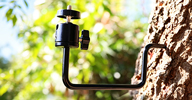
Mounting Options: Adjustable brackets or tree-mounting straps help position the panel at the right angle for maximum sunlight exposure throughout the day.
To get the most out of your solar panel charger setup, placement and maintenance are key:
Install in Direct Sunlight: Mount the panel where it gets full sun for the majority of the day—ideally facing south in the Northern Hemisphere.
Avoid Obstruction: Don’t install it under dense foliage or near objects that will cast shadows. Even partial shade can dramatically reduce charging efficiency.
Secure the Mount: Wind and animals can knock loose gear out of position. Use solid mounts or tie-downs to keep everything in place.
Keep It Clean: Dirt, bird droppings, leaves, or snow can block sunlight. Check your panel periodically and wipe it clean as needed.
Check the Battery: If using a rechargeable battery pack, make sure it’s in good condition and rated for outdoor use. Some low-quality batteries may degrade over time, especially in extreme temperatures.
For anyone using trail cameras in the field—whether for hunting, wildlife research, land surveillance, or outdoor photography—a solar panel charger can be A reliable partner. It offers a dependable, renewable source of power that keeps your camera running longer, reduces the need for constant battery replacements, and helps you capture the footage or data you need with less hassle.
By using solar energy, you’re not only improving the efficiency of your trail cam setup, but also reducing your environmental footprint and gaining more freedom to monitor remote locations without interruption. With the right solar charger in place, your camera is ready to watch, record, and work—rain or shine, day after day.