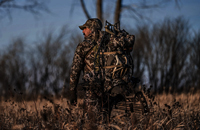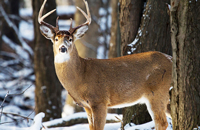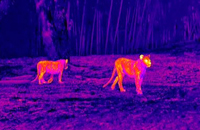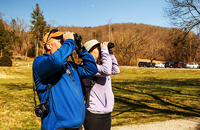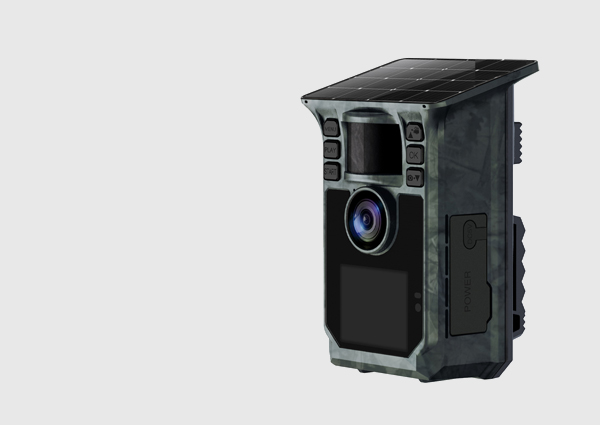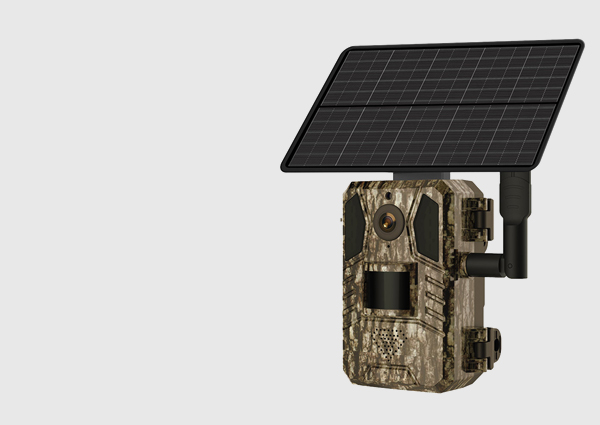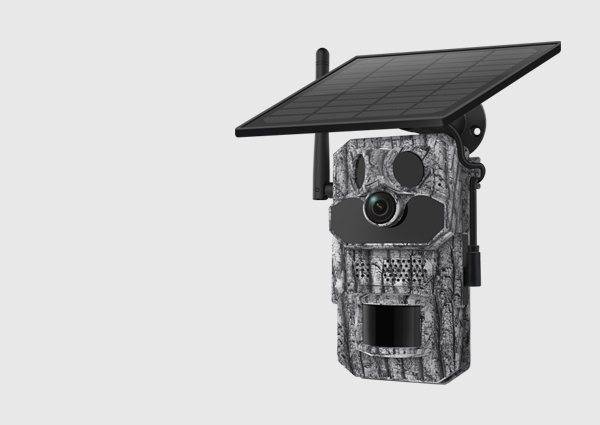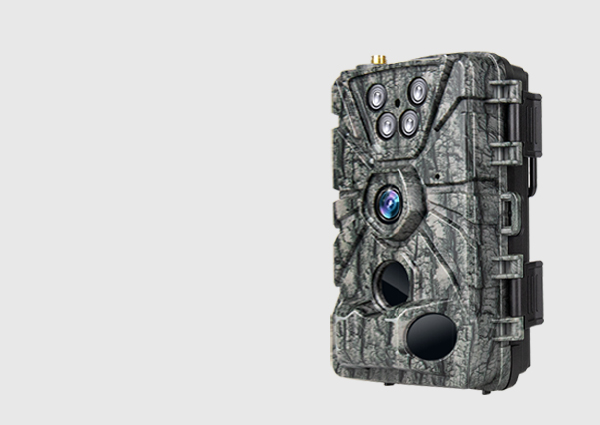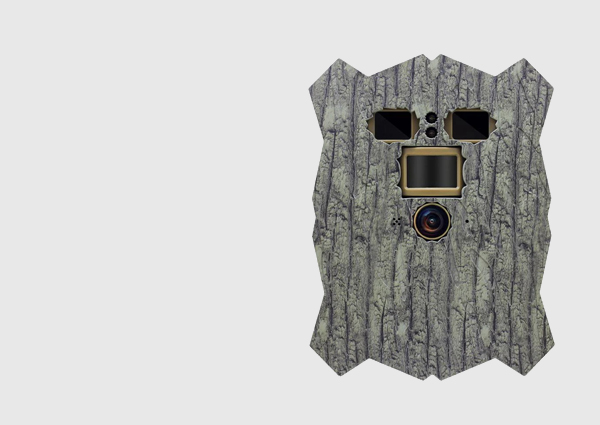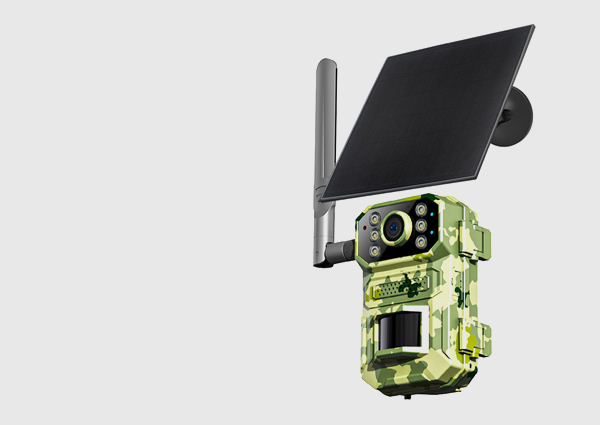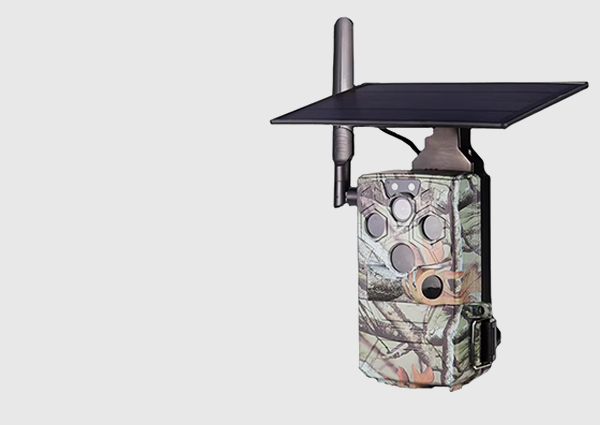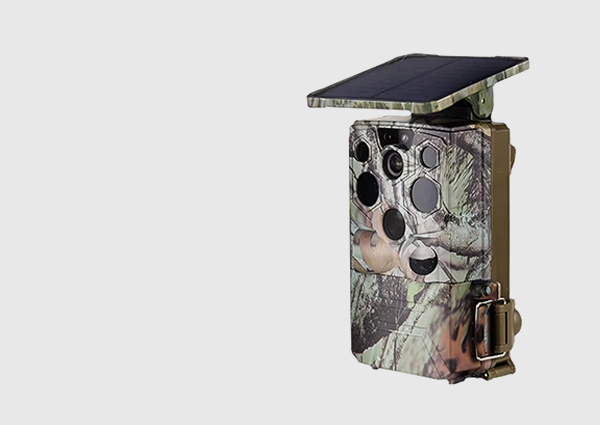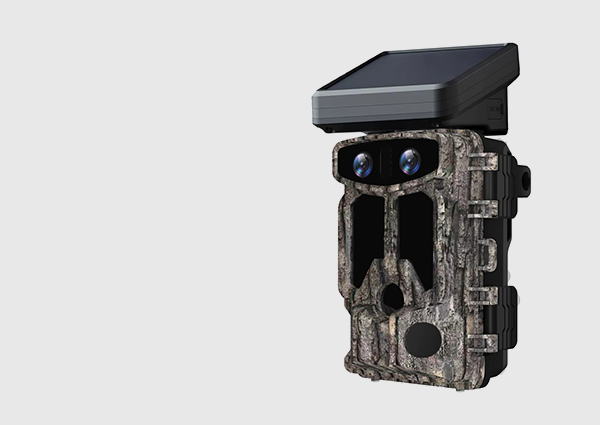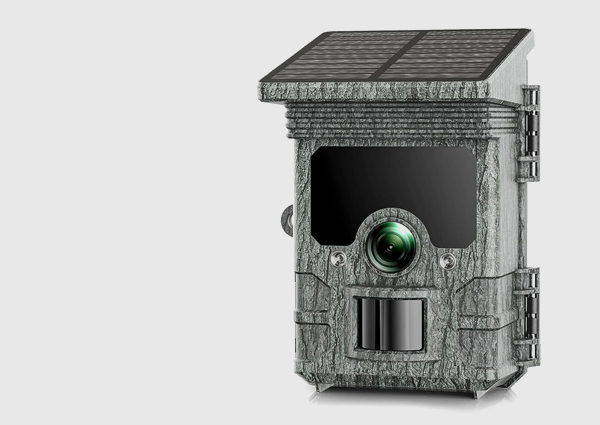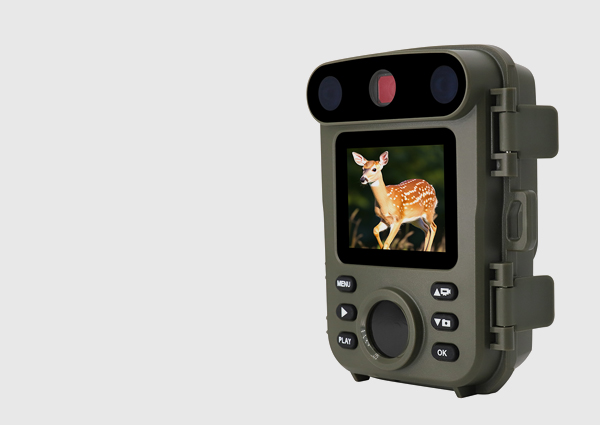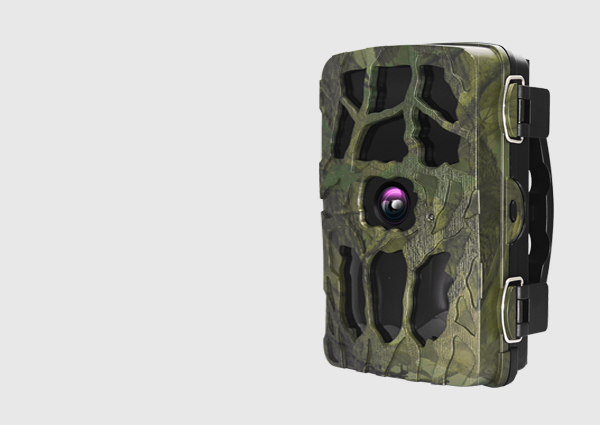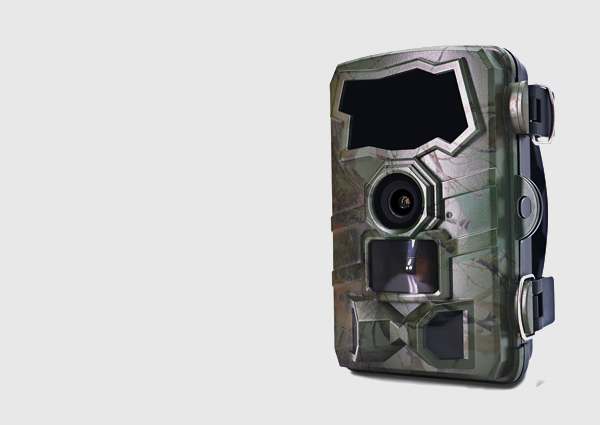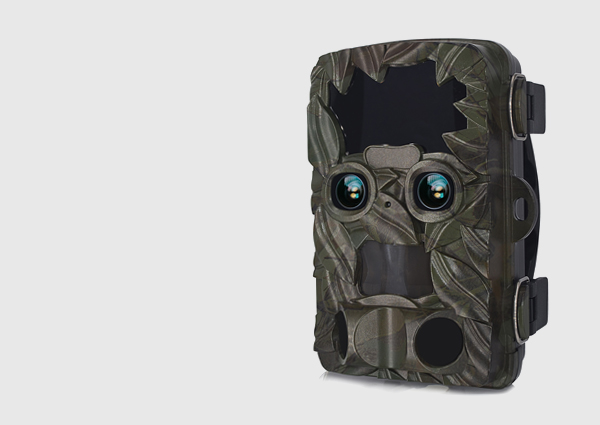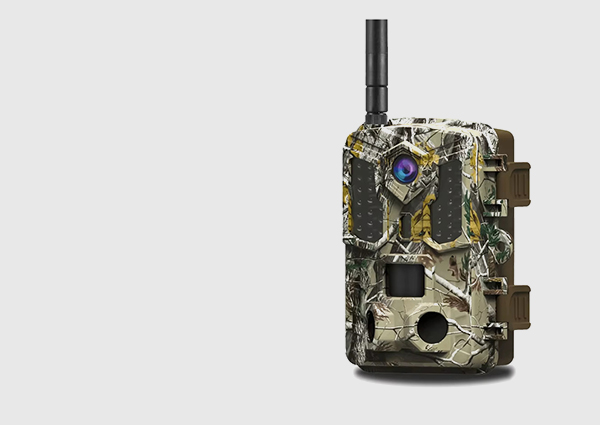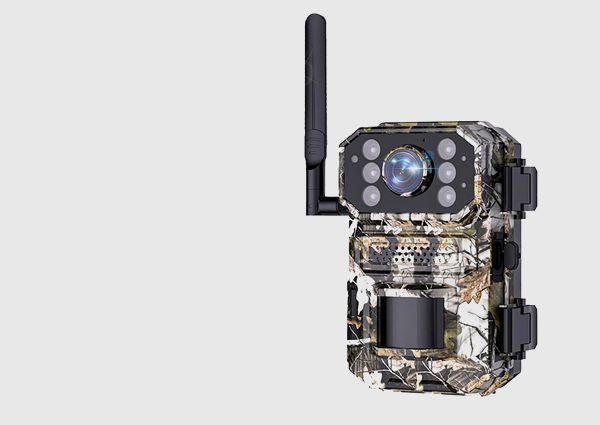
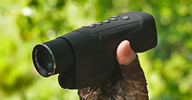
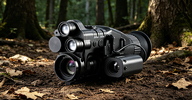
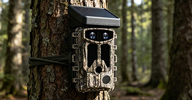
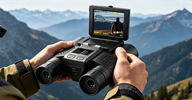
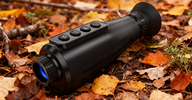

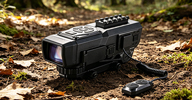
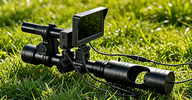
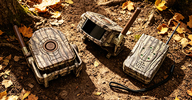
A trail camera, also known as a game camera or wildlife camera, is a specialized camera designed to be used outdoors, typically for capturing images or videos of wildlife in their natural habitat. These cameras are motion-activated and can be left unattended for extended periods, making them incredibly useful for hunters, wildlife enthusiasts, and researchers. They help capture moments that would be impossible to witness otherwise, offering a unique, hands-off approach to wildlife observation.
Trail cameras function on a simple yet effective principle: motion detection and automatic capture. Here’s a deeper look at the components and functionality:
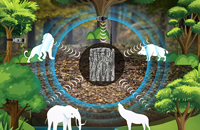
Trail cameras are equipped with passive infrared (PIR) sensors, which detect heat signatures. When a warm object, like an animal or human, passes in front of the camera, the PIR sensor detects the change in temperature and triggers the camera to capture an image or start recording a video. This ability allows the camera to automatically “sense” the presence of wildlife or intruders, saving both time and effort.
Once triggered by motion, the camera captures a photo or video, depending on the settings. Trail cameras are often set to take multiple photos in quick succession (burst mode), ensuring the capture of an entire moment or movement. Video mode allows users to record longer interactions, providing more detailed insights into animal behavior or other activities.
Many trail cameras come equipped with different types of flash systems to ensure high-quality images and videos even in low-light conditions:
Infrared (IR) Flash: The most common flash type in modern trail cameras. It emits invisible infrared light, ensuring that the camera can capture images in total darkness without startling wildlife. Infrared flash provides black-and-white images at night.
White Flash: Similar to a regular camera flash, it produces color images at night but may startle animals, making it less ideal for capturing natural behavior.
Low-Glow Infrared: Produces a faint red glow, which can be visible but is generally less disruptive than white flash.
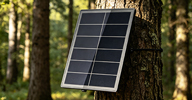
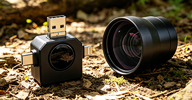
Trail cameras typically store captured images and videos on SD cards or microSD cards. Most cameras support large-capacity cards, allowing them to store thousands of photos or hours of video footage. They are powered by batteries, which can range from traditional AA batteries to more advanced lithium-ion rechargeable batteries, depending on the model. Battery life can vary based on camera settings, the number of images taken, and the flash used.
Trail cameras are designed to be used in harsh outdoor conditions, so they are built to be weather-resistant. Whether it’s rain, snow, or intense heat, trail cameras are equipped to handle the elements. Additionally, they are often camouflaged to blend in seamlessly with the surrounding environment, making them less noticeable to both wildlife and humans.
The core feature of a trail camera is its motion sensing capability. By using infrared sensors, these cameras can detect heat signatures from animals or humans passing within their detection range. Once motion is detected, the camera is triggered to take a photo or record video, ensuring that no moment is missed.
One of the most valuable features of a trail camera is its ability to capture images or video in complete darkness. Many trail cameras use infrared (IR) flash or low-glow IR technology, allowing them to work around the clock. This feature is especially useful for capturing nocturnal wildlife behavior, as many animals are more active at night.
Since trail cameras are often used in remote locations, long battery life is crucial. Most models are designed to operate for weeks or even months on a single set of batteries. However, the actual battery life can vary based on usage, the number of images taken, and environmental factors like temperature.
Some of the latest trail cameras come equipped with wireless or cellular connectivity. This means they can send captured images or videos directly to a smartphone, tablet, or computer, eliminating the need to physically retrieve the camera. For hunters and wildlife researchers, this feature is extremely valuable for monitoring remote locations in real-time. Some models even allow for live streaming of video footage.
Trail cameras often come with customizable settings that allow users to fine-tune the camera’s operation:
Trigger Speed: Determines how quickly the camera will respond to motion.
Sensitivity: Adjusts how sensitive the camera is to detecting movement, ensuring it only captures relevant activity.
Time-Lapse Mode: Allows the camera to capture images at set intervals, even without detecting motion. This is useful for monitoring specific locations or observing changes over time.
Date/Time Stamping: Adds a time and date to each image or video, allowing for precise tracking of wildlife activity or security events.
Trail cameras are an essential tool for wildlife enthusiasts and researchers. They provide a non-invasive way to observe animals in their natural habitat without disturbing them. Researchers can study animal behavior, track migration patterns, monitor endangered species, and gather data on population sizes. The cameras are particularly helpful in documenting nocturnal or elusive animals that are hard to spot during the day.
For hunters, trail cameras are an indispensable tool for scouting hunting areas. They help hunters monitor game movement, identify patterns, and locate potential hunting spots. By using trail cameras, hunters can find out which areas are frequented by game and when animals are most active. This allows for more strategic planning, ensuring a higher chance of a successful hunt.
Trail cameras are commonly used for property security. Homeowners, farmers, and landowners can set up cameras along fences, trails, or entrances to monitor for intruders, thieves, or trespassers. The cameras can be set to capture images of people or vehicles entering or leaving a property, providing valuable evidence if needed.
For environmentalists and conservationists, trail cameras offer a practical way to monitor ecosystems and track environmental changes. They can be used to observe plant growth, track the presence of invasive species, or study the impact of human activities on local wildlife.
Trail cameras also serve as a tool for nature photographers looking to capture stunning, authentic wildlife shots. With the camera positioned in a particular location, photographers can document rare moments, like an animal’s feeding habits or courtship rituals, without physically being present.
Once set up, trail cameras operate autonomously. This means you don’t have to actively monitor the camera or be physically present to capture footage. This makes them perfect for remote areas where human access is limited or impractical.
Trail cameras allow for non-intrusive observation of wildlife. By capturing images and videos without disturbing animals, these cameras provide an undisturbed view of natural behavior. This is particularly important for research and conservation efforts where human interaction can alter animal behavior.
Trail cameras can be placed in remote locations for long periods, making it easy to gather data continuously. With wireless models, users can monitor activity in real-time without needing to retrieve the camera. This feature saves time and effort and is particularly useful for long-term studies or security monitoring.
Trail cameras are designed to be durable and weather-resistant. This ensures they can withstand harsh outdoor conditions, from rain and snow to extreme heat or cold. Their rugged build makes them suitable for year-round use in various climates.
Trail cameras can be used in a wide range of applications, from wildlife monitoring and hunting to property security and environmental research. Their versatility makes them valuable tools in many fields.
Trail cameras are highly effective tools for monitoring wildlife, enhancing security, and conducting research in remote or challenging environments. They offer numerous advantages, such as hands-free operation, long battery life, and the ability to capture high-quality images in both day and night conditions. Whether you’re a wildlife enthusiast, a hunter, a conservationist, or someone simply looking to monitor their property, trail cameras provide a convenient and non-intrusive way to gather valuable information and capture the unseen moments of nature.