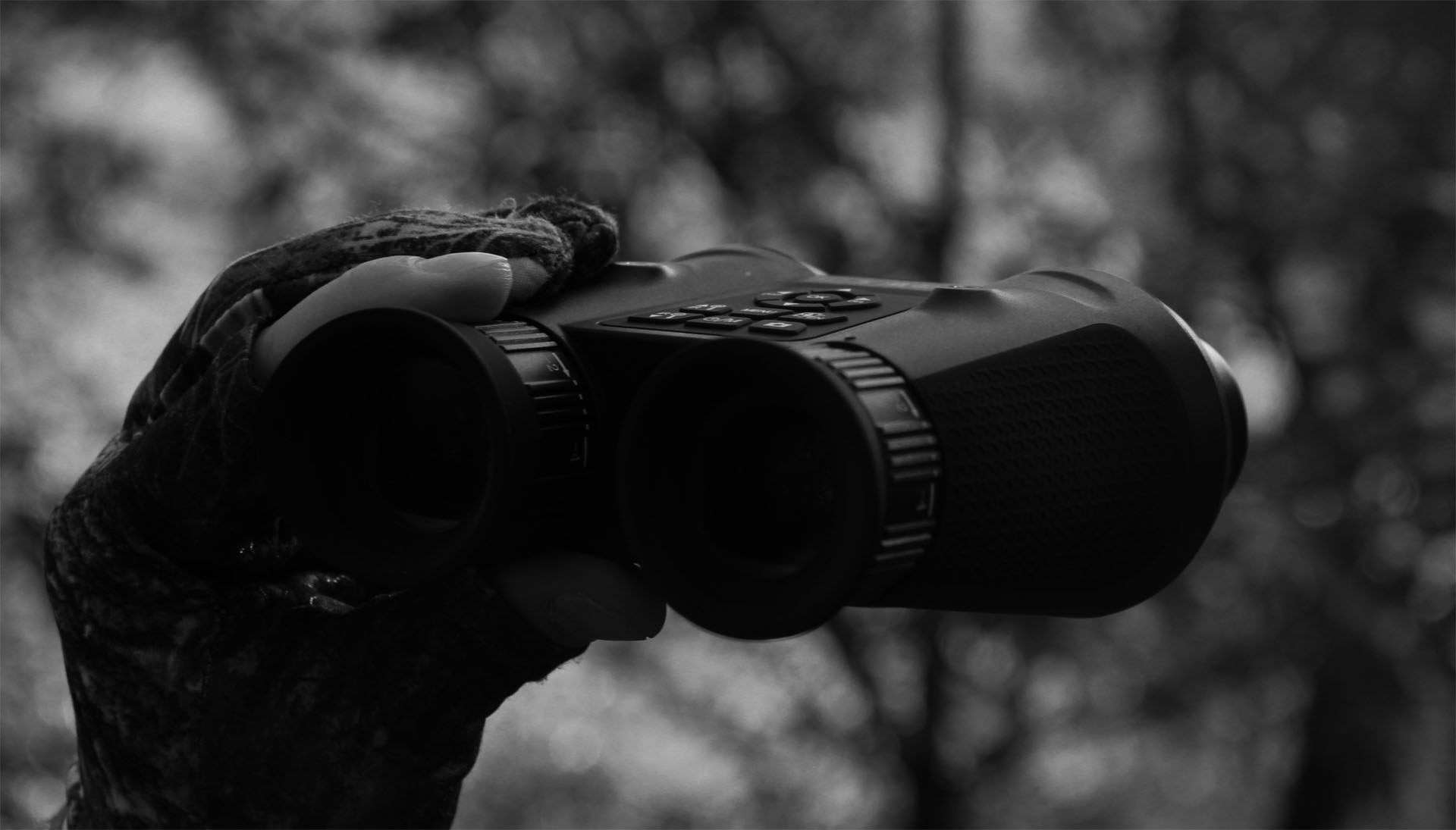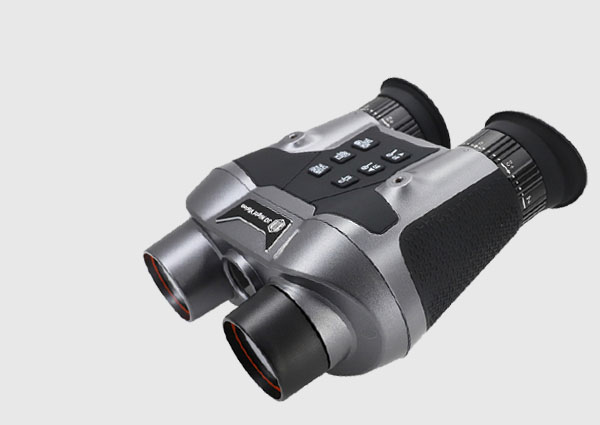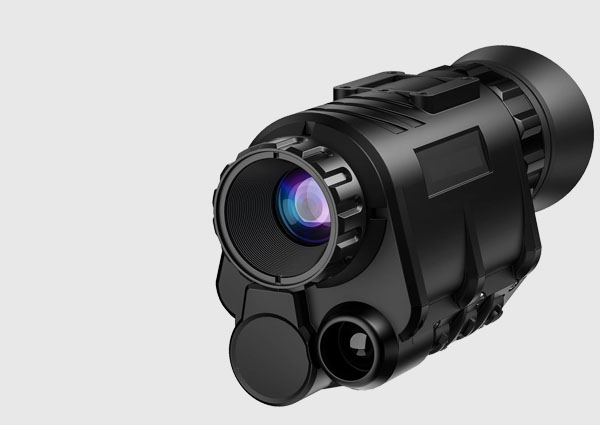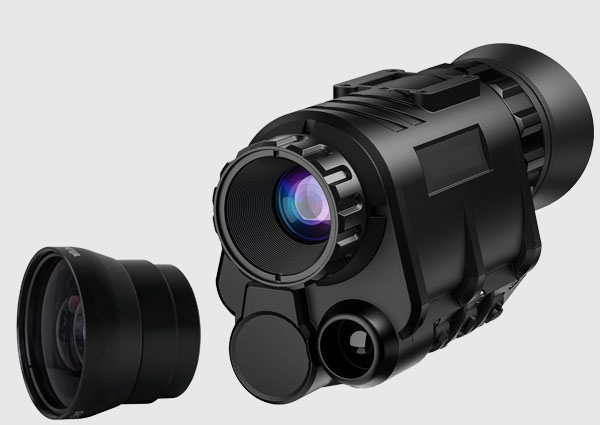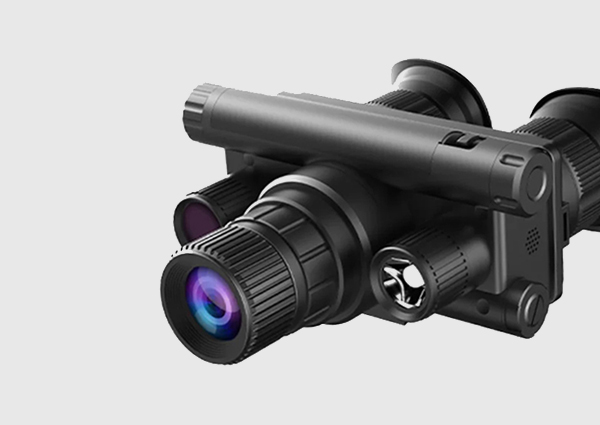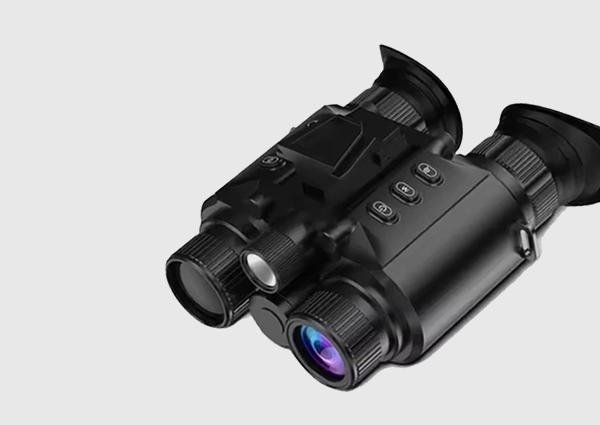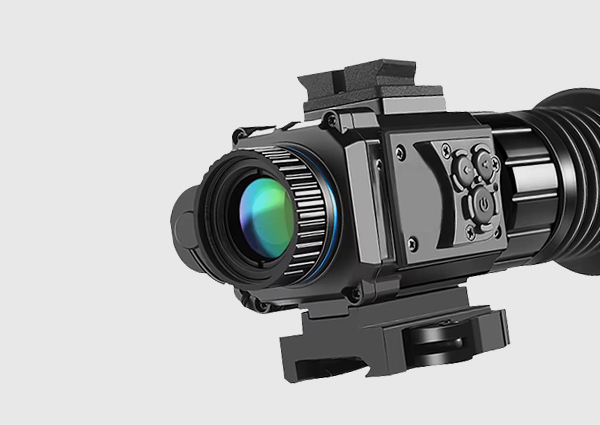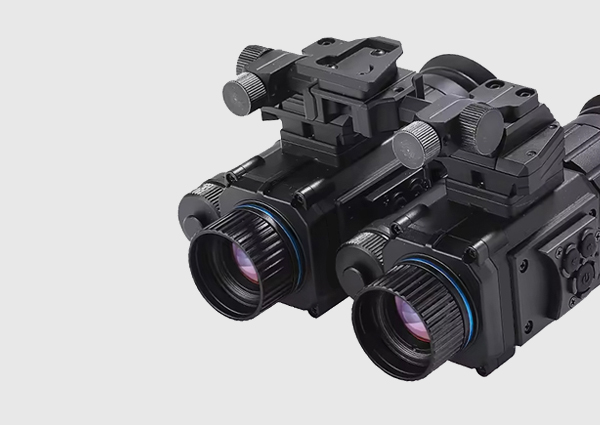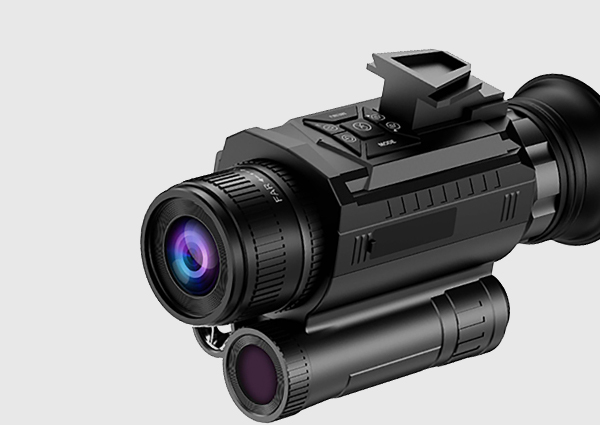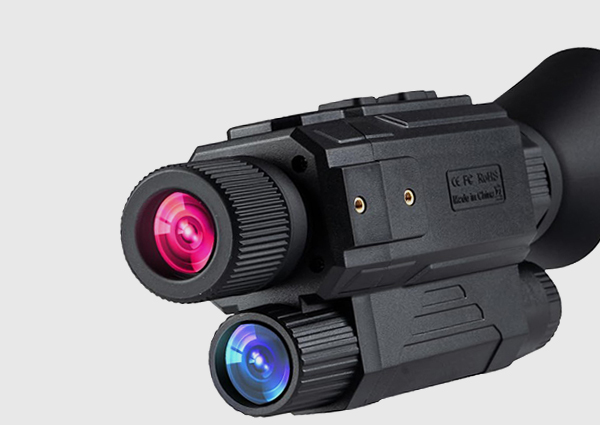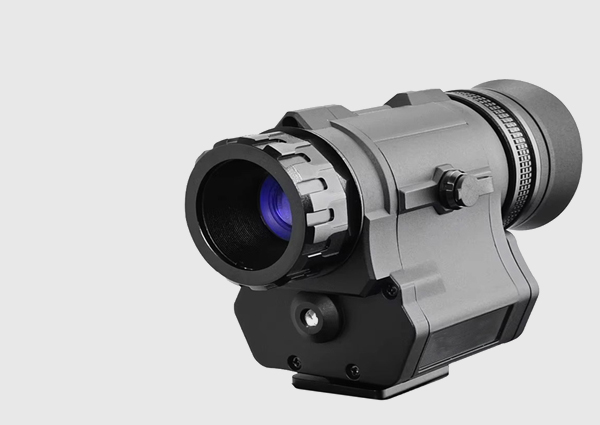

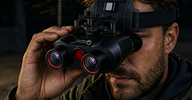
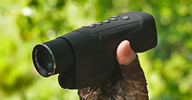
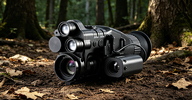
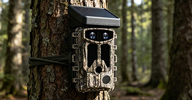
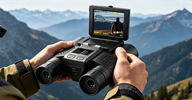
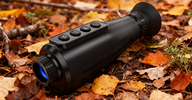

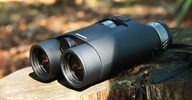
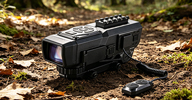
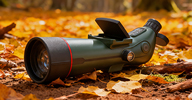
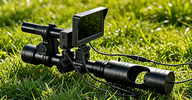



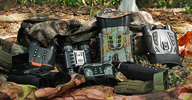
Night Vision Goggles (NVGs) represent cutting-edge optical technology that empowers users to maintain visual clarity in low-light or pitch-dark conditions, dramatically enhancing operational effectiveness during nocturnal missions. These sophisticated devices have evolved into mission-critical gear for law enforcement specialists, search and rescue units, and wilderness adventurers. Engineered for helmet or head-strap mounting, modern head-mounted NVGs deliver truly hands-free functionality – enabling operators to maintain continuous environmental awareness in darkness while preserving full manual dexterity for equipment handling and mission-essential operations.
How Night Vision Goggles Work
The technology behind night vision goggles operates on two fundamental principles: image intensification (light amplification) and thermal imaging. Here’s a detailed breakdown of each:
1. Image Intensification (Light Amplification)
Image intensification technology collects and amplifies ambient light sources – including starlight, moonlight, and even artificial lighting. The device captures photons (light particles) entering through the objective lens and converts them into electrons. These electrons are then accelerated through a vacuum tube, gaining energy before striking a phosphor screen. The energized phosphor screen emits visible light, generating a sufficiently bright image for clear user perception. The resulting monochromatic display typically appears in shades of green, as the human eye demonstrates peak sensitivity to this wavelength. This process maintains image clarity and brightness even in near-total darkness, provided minimal ambient light is present.
2. Thermal Imaging
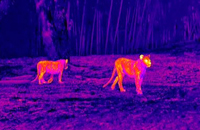
Unlike image intensification, thermal imaging requires no ambient light. Instead, it detects infrared radiation emitted by objects based on their temperature profiles. All objects emit infrared radiation, with warmer subjects (such as humans, animals, or vehicles) emitting stronger signals than cooler ones. The thermal sensors in NVGs capture this heat signature and translate it into a visual representation of temperature variations within the scene. This technology enables users to see through visual obstructions like smoke, fog, and foliage, making it particularly valuable for search and rescue operations where conventional visibility is compromised.
Key Features of Modern NVGs
Contemporary night vision goggles incorporate multiple advanced features designed to maximize effectiveness across diverse environments:
Hands-Free Operation: The primary advantage of NVGs lies in their unimpeded operational capability. When mounted on helmets or headbands, they enable complete freedom of movement while maintaining visual awareness – crucial for rescue personnel operating in demanding environments where mobility and efficiency are paramount.
Lightweight Ergonomic Design: Modern head-mounted NVGs feature lightweight construction and ergonomic engineering. With adjustable headbands and helmet mounts, these devices ensure comfort during extended wear, reducing strain on the neck and head during prolonged missions.
Wide Field of View (FOV): Many head-mounted models offer expansive 40 to 50-degree fields of view. This broad visual coverage allows users to monitor their surroundings without constant head movement – essential for maintaining situational awareness in dynamic, fast-paced environments.
Integrated Infrared Illuminators: Select NVG models incorporate built-in IR illuminators that project infrared light invisible to the naked eye but detectable by the goggles. This feature becomes critical in total darkness, illuminating the environment without revealing the user’s position.
Rugged Durability: Engineered to withstand extreme conditions, these devices maintain operational integrity when exposed to rain, dust, high humidity, and temperature extremes – ensuring reliability in outdoor scenarios.
Adjustable Focus and Magnification: Most NVGs permit focus adjustments for varying distances, while advanced models offer variable magnification for detailed observation of distant targets. This capability proves invaluable in situations requiring precise identification.
Power Efficiency: Typically powered by AA or CR123 batteries, NVGs can deliver several hours of continuous operation per charge. Many units incorporate power-saving modes to extend battery life during prolonged use.
Applications of Night Vision Technology
NVGs serve critical functions across multiple domains where dark environment visibility is essential:
Search and Rescue: During nighttime or low-visibility conditions, rescue teams employ head-mounted NVGs to locate missing persons in remote areas. The technology proves particularly effective in dense forests, mountainous regions, and disaster zones where conventional lighting proves inadequate, enabling faster and safer rescue operations.
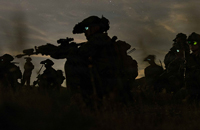
Law Enforcement Operations: Police departments, SWAT teams, and law enforcement agencies utilize NVGs for nighttime surveillance, suspect tracking, and tactical missions. The hands-free design enables complex operational execution while maintaining equipment readiness.
Outdoor Exploration: Hunters, hikers, and wildlife observers benefit from secure nighttime navigation and observation capabilities. These goggles facilitate wilderness exploration and nocturnal wildlife spotting without environmental disruption.
Advantages of NVG Technology
Enhanced Mobility: The hands-free design permits unrestricted movement while maintaining visual clarity – particularly vital for rescue personnel requiring agility in emergency situations.
Stealth Capability: IR-equipped models allow covert operation without position compromise, essential for scenarios where detection avoidance is crucial.
Extended Operational Comfort: Lightweight ergonomic designs ensure prolonged wearability without significant discomfort, supporting extended nocturnal operations and expeditions.
Versatile Application: NVGs demonstrate adaptability across numerous scenarios from professional search missions to recreational activities and wildlife observation, providing practical solutions for both professional and personal use in low-light conditions.
Conclusion
Night vision goggles represent indispensable equipment for anyone operating in low-light or no-light environments. Their hands-free design, durability, and advanced optical technology empower users with clear dark-environment vision, enhancing safety and performance across diverse applications. Whether deployed in law enforcement operations, rescue missions, or outdoor adventures, these devices deliver superior visibility and mobility in challenging conditions.
As technological advancements continue, head-mounted NVGs are evolving toward greater capability, compactness, and user-friendliness. With improved image quality, extended battery life, and enhanced comfort features, these devices are establishing new benchmarks for nighttime operations and exploration.