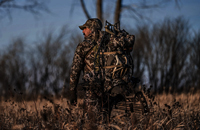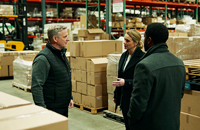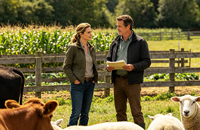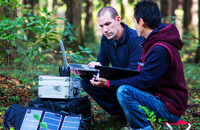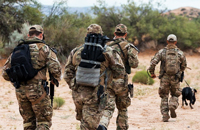

Government and public sector project buyers often work under strict requirements: reliability, consistency, long-term deployment capability, and large-area coverage. Unlike commercial purchases, these projects are typically mission-driven, budget-controlled, and performance-sensitive.
For public agencies, contractors, and institutional buyers, the challenge is not only selecting equipment, but ensuring long-term operational stability, scalable deployment, and unified system compatibility across different field environments.
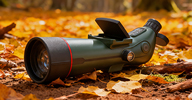
WILDTIME OUTDOORS supports government and public sector buyers with structured product solutions built around observation, monitoring, detection, recording, and remote field operation needs. This includes optical devices, thermal systems, surveillance tools, environmental tracking equipment, and off-grid power solutions.
Our goal is to help public projects build dependable field systems that can operate consistently in demanding real-world conditions.
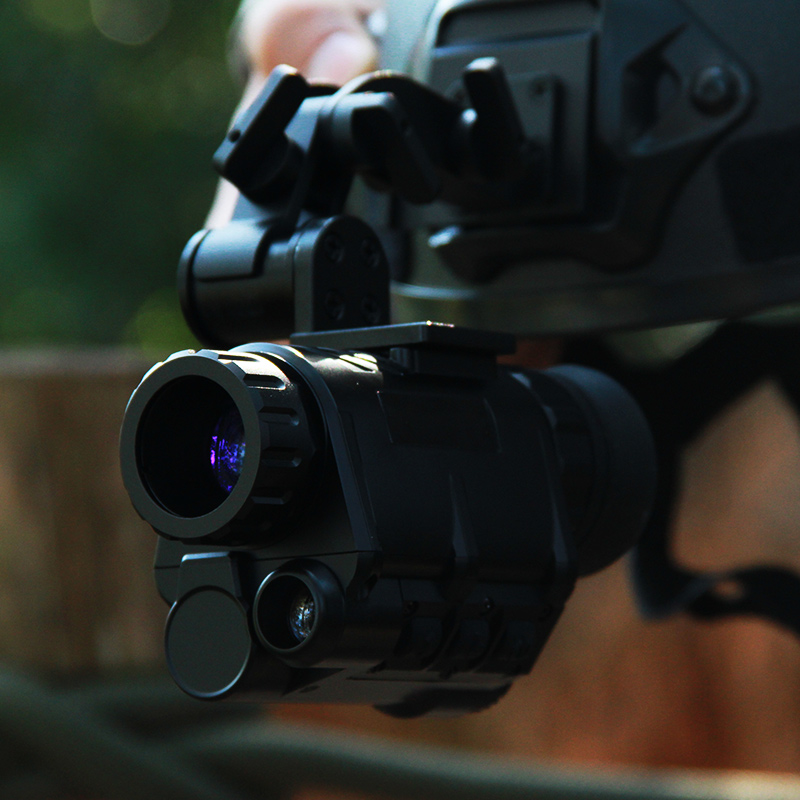
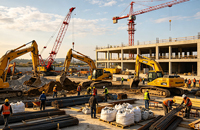
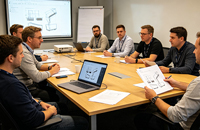
Public sector field operations typically involve multiple overlapping requirements such as situational awareness, environmental documentation, infrastructure inspection, perimeter observation, and long-term data collection. These tasks require coordinated tools working together rather than independent devices operating in isolation.
That is why WILDTIME OUTDOORS focuses on building structured product combinations that function as unified monitoring systems, supporting consistent workflows across different teams and locations.
A typical government or public sector deployment may include:
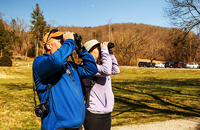
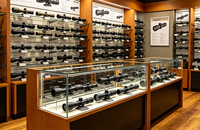
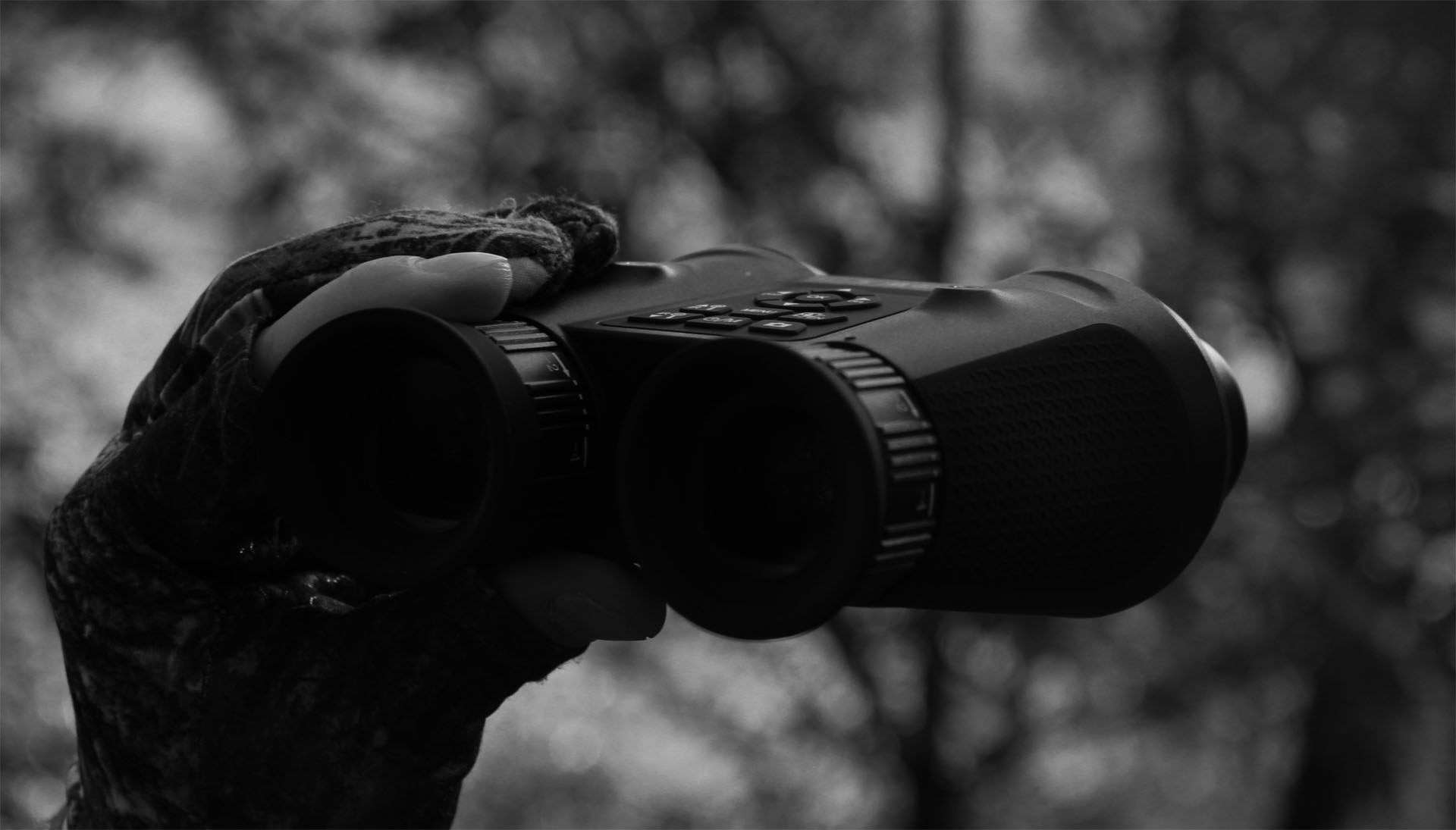
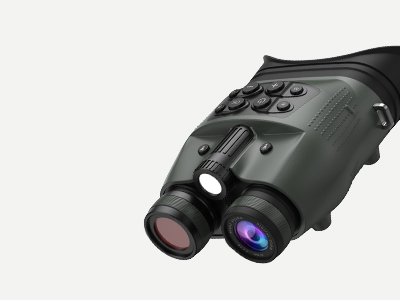
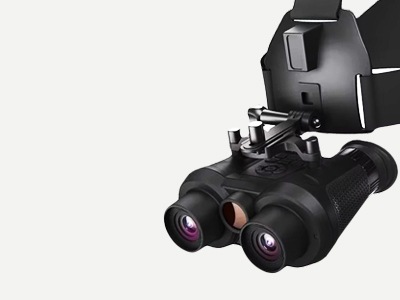
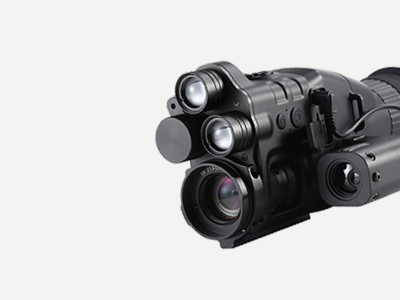
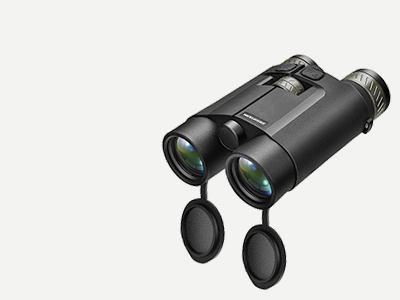
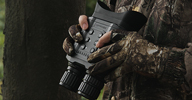
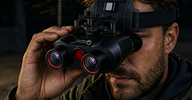
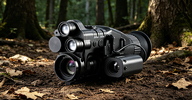
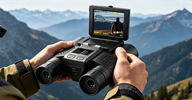
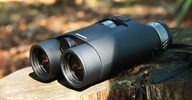
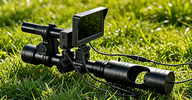
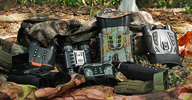
Night vision binocular systems for low-light area scanning and situational awareness
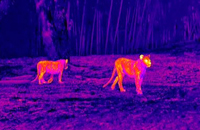
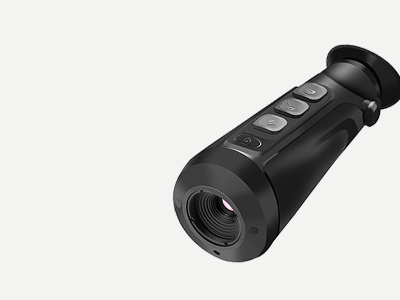
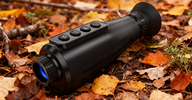
Thermal imaging devices for detecting environmental changes and heat-based anomalies
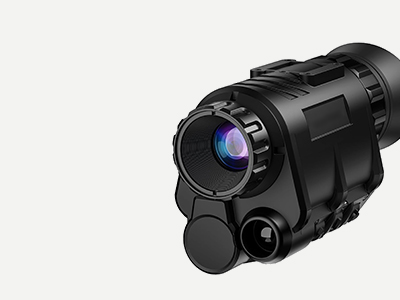
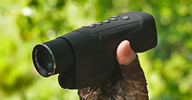
Night vision monocular units for mobile inspections and rapid verification tasks
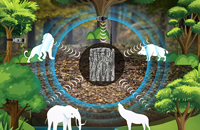
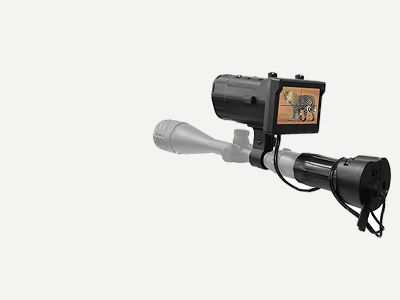
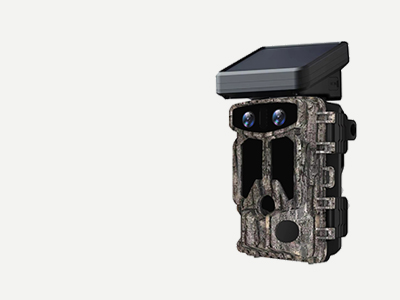
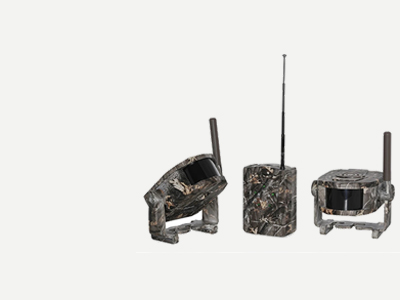
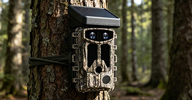
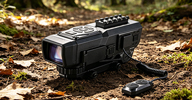
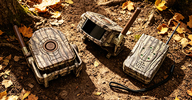
Fixed monitoring cameras for continuous recording in designated observation zones
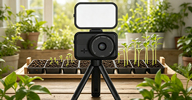
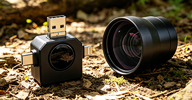
Timelapse systems for documenting long-term environmental or infrastructure changes
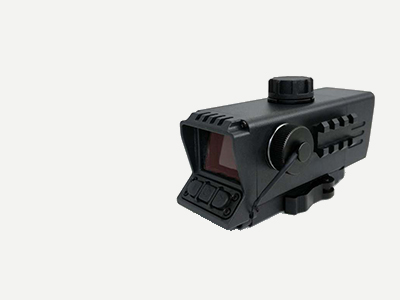
Distance measurement tools for field mapping, layout verification, and spatial planning
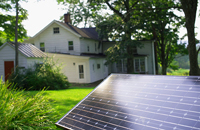
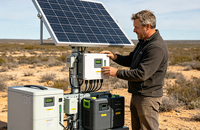
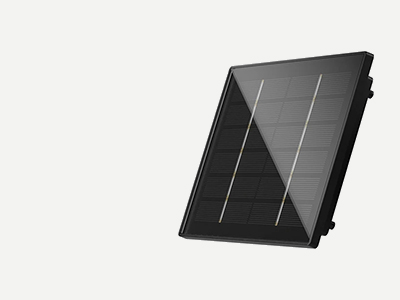
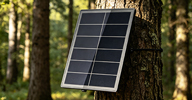
Solar power systems for autonomous operation in remote or off-grid environments
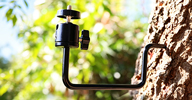
Outdoor mounting and protective accessories for stable, long-term installation
When these components are integrated into a unified system, public sector teams can significantly improve monitoring consistency, reduce blind operational gaps, and ensure that field data remains structured and reliable across all deployment sites.
In many government field projects, equipment failure is not always caused by hardware quality, but by lack of system planning. When devices are deployed individually without integration, monitoring coverage becomes fragmented, and operational efficiency is reduced over time.
Common issues include:
Gaps in observation during low-light or night-time field conditions
Inconsistent environmental tracking across different inspection periods
Limited verification capability in large or multi-zone project areas
Fragmented data caused by non-standardized equipment setups
Increased operational workload due to repeated manual site inspections
Power instability affecting long-term remote monitoring installations
By using coordinated monitoring systems, these challenges can be significantly reduced. WILDTIME OUTDOORS provides structured deployment solutions designed to improve continuity, reduce maintenance frequency, and support stable long-term operation in remote or complex environments.
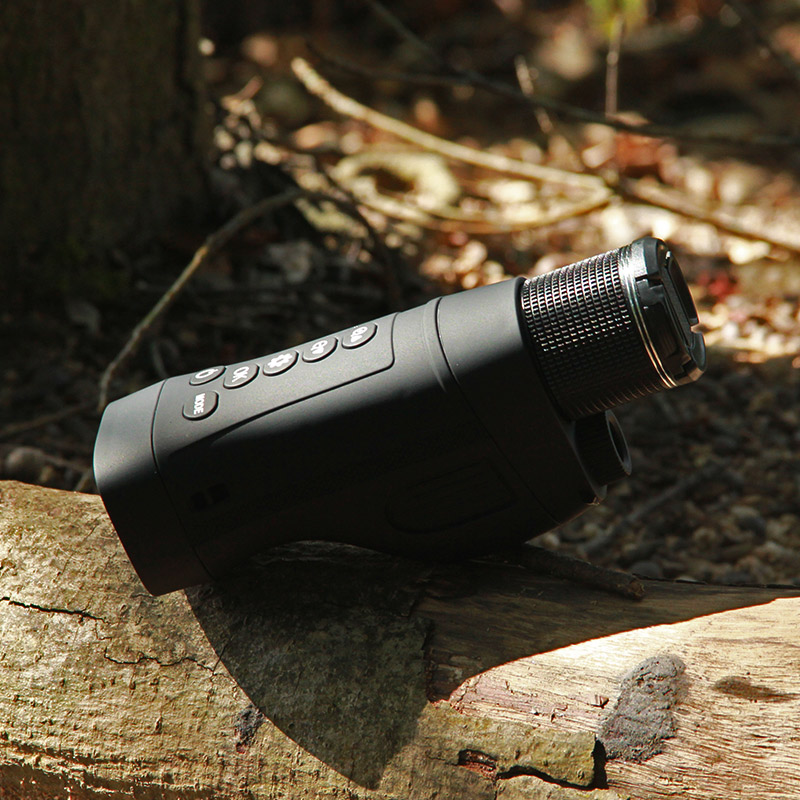
These systems are commonly used in infrastructure inspection, environmental protection programs, land management projects, emergency response planning, and remote area supervision. They support structured observation and long-term data collection.
Yes, solutions can be standardized for multi-site deployment with consistent configuration and performance. This allows government teams to manage large-scale projects more efficiently.
Many configurations are designed for continuous operation with low-maintenance requirements. When combined with solar power systems, they can operate in remote areas with minimal intervention.
Data can be stored locally or organized into centralized review workflows depending on project design. This helps teams maintain structured records for analysis and reporting.
Yes, configurations can be adjusted based on terrain complexity, monitoring distance, and project objectives. This flexibility supports diverse government use cases.
Thermal imaging helps detect environmental variations that are not easily visible through standard observation methods. It is particularly useful for identifying changes in complex or low-visibility conditions.
Yes, many systems are designed for off-grid deployment with stable long-term operation. Solar-powered configurations help maintain continuous monitoring in remote environments.