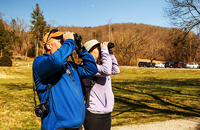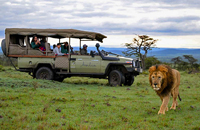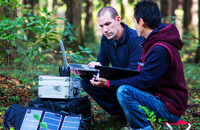
Nature education and field research require more than curiosity and field experience. Success often depends on the ability to observe wildlife without disturbance, document environmental changes, and collect reliable information over extended periods.
In real field research environments, users often face common challenges:
Wildlife activity occurs when researchers are not present.
Many species are active during low-light hours.
Animals often remain hidden in dense vegetation.
Large research areas are difficult to monitor continuously.
Long-distance observation can be challenging.
Environmental conditions change quickly.
Multiple tools are often needed for complete data collection.
WILDTIME OUTDOORS provides practical field research and nature observation solutions designed around these real challenges. Our product range includes thermal imagers, night vision binoculars, night vision monoculars, digital camera binoculars, wildlife cameras, time lapse cameras, rangefinder binoculars, solar panel solutions, and related outdoor accessories.
Rather than focusing on individual products, we help researchers, educators, and conservation teams build complete observation systems that support efficient fieldwork and long-term environmental monitoring.
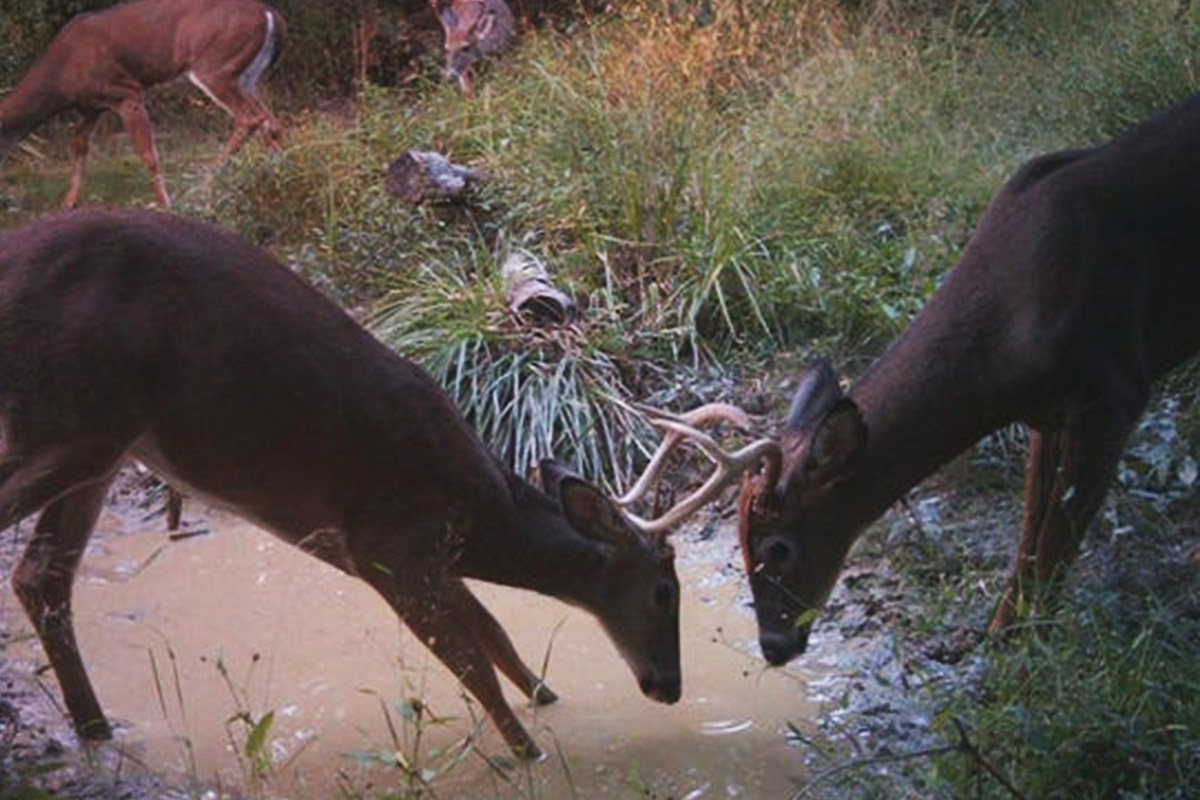
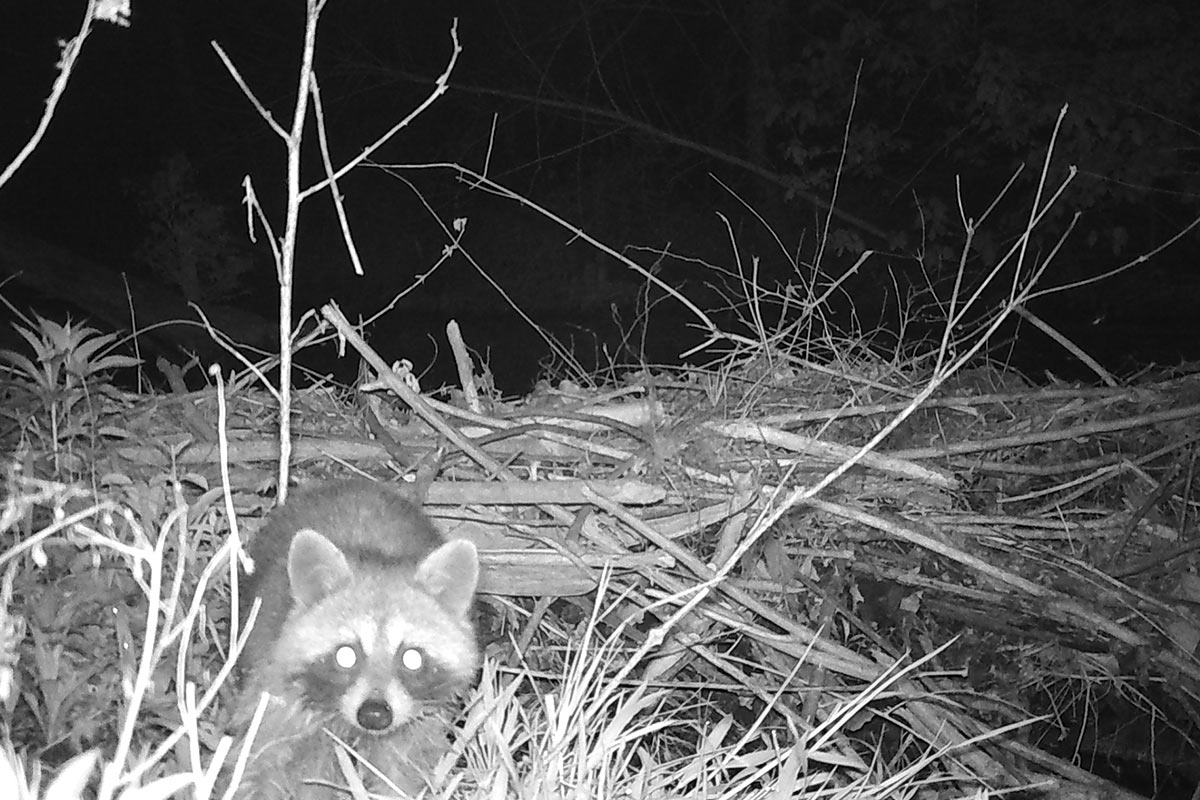
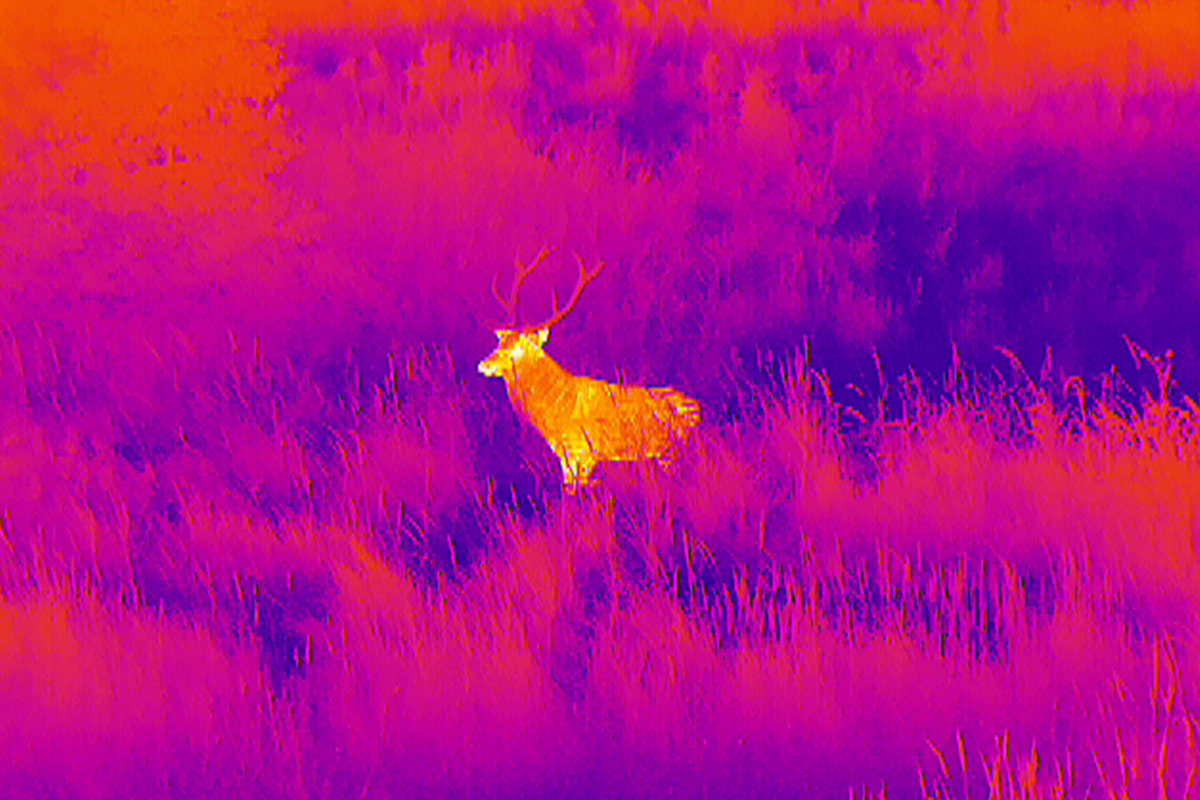
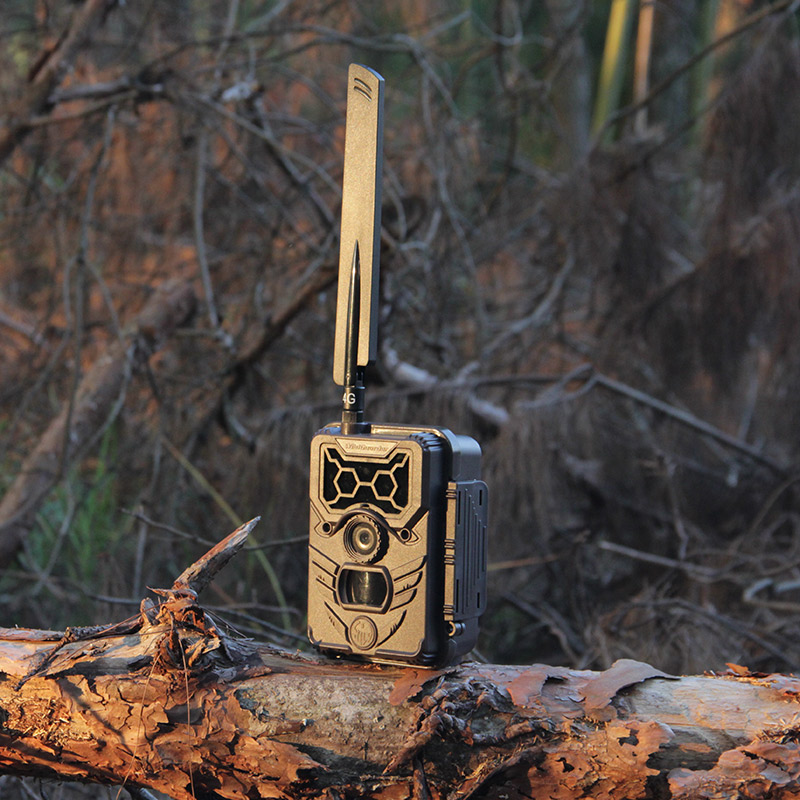
Nature education and field research involve many different observation tasks. Detecting movement, recording behavior, measuring distance, documenting habitats, and monitoring environmental changes all require different tools.
That is why WILDTIME OUTDOORS focuses on complete observation solutions rather than single products.
For nature education and field research, an effective equipment setup may include:
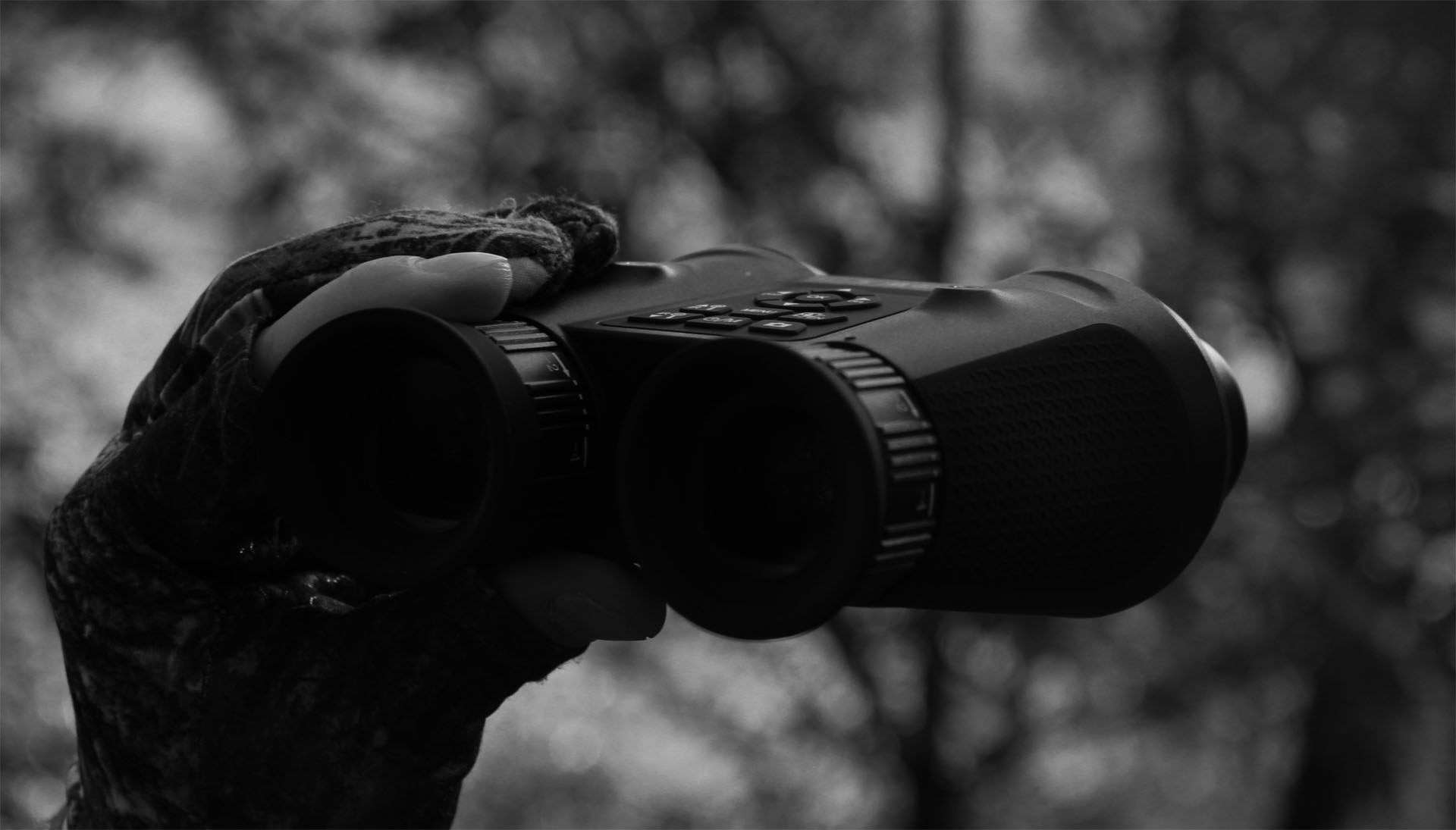
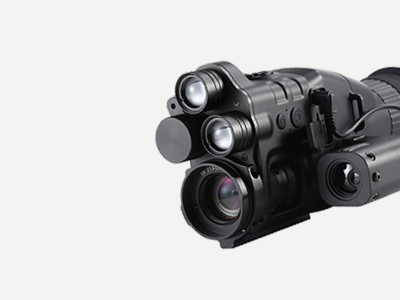
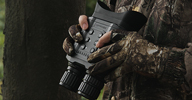
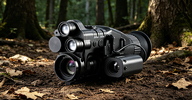
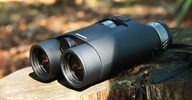
Night vision binoculars for low-light wildlife observation
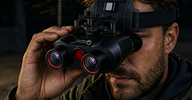
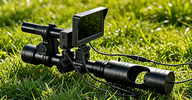
Night vision goggles for hands-free field awareness
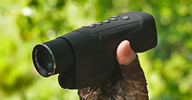
Night vision monoculars for portable scanning
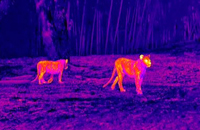
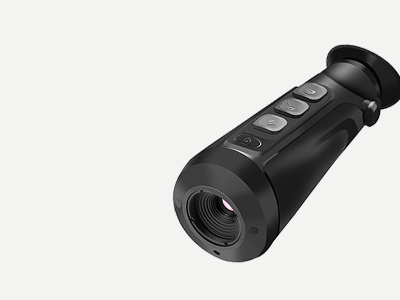
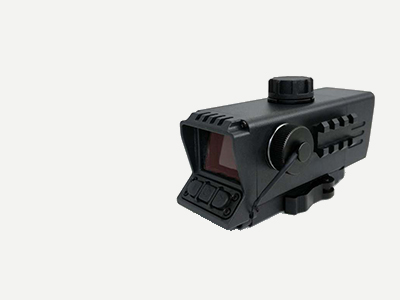
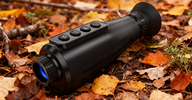
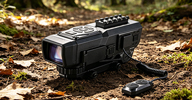
Thermal imagers for heat detection and movement identification
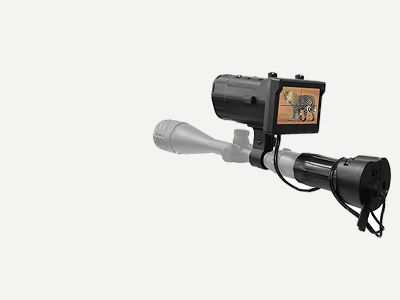
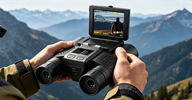
Digital camera binoculars for observation and image recording
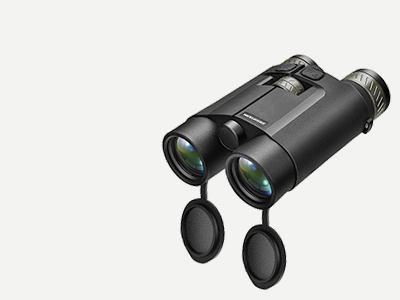
Rangefinder binoculars for distance measurement and habitat assessment
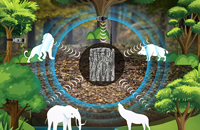
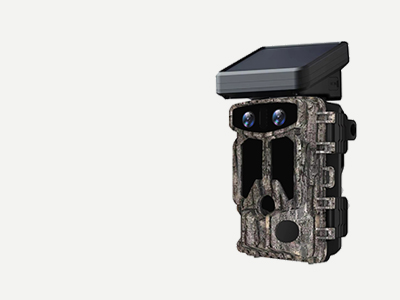
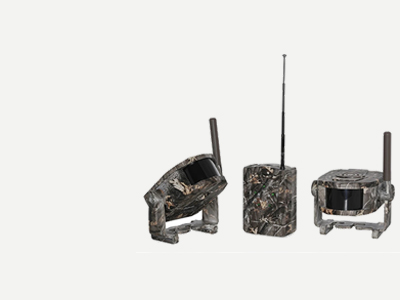
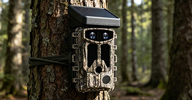
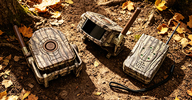
Wildlife cameras for unattended monitoring
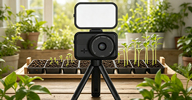
Time lapse cameras for long-term environmental recording
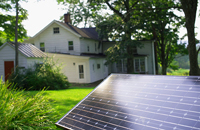
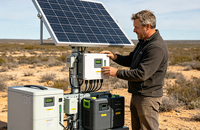
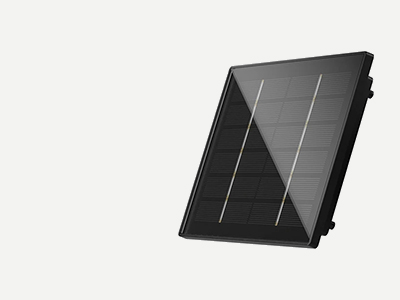
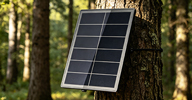
Solar panel solutions for continuous remote operation
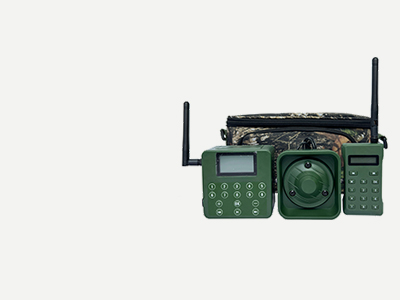
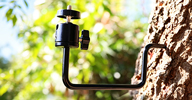
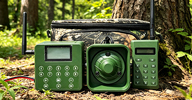
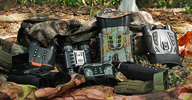
Outdoor accessories for installation, transport, and field deployment
This complete product ecosystem helps educators, researchers, and conservation teams collect more reliable information across a wider range of field conditions.
Popular options include wildlife cameras, thermal imagers, night vision devices, digital camera binoculars, and rangefinder binoculars. Different tools support different research goals, from wildlife monitoring to habitat observation and educational field activities.
Wildlife cameras can record activity continuously without requiring a researcher to remain on-site. This helps capture natural behavior while minimizing human presence and disturbance.
Yes. Thermal imagers help researchers locate animals, detect movement, and identify activity during low-light conditions. They are particularly useful in dense habitats where direct visual observation is difficult.
Digital camera binoculars allow users to observe and record findings at the same time. This makes it easier to document educational activities, species identification, and field observations for later review.
Many species are active during dawn, dusk, or nighttime hours. Night vision equipment helps researchers extend observation periods and gather information that may not be available during daylight.
Yes. Many conservation programs use observation and monitoring equipment to study wildlife populations, track habitat changes, and support long-term environmental management efforts.
Rangefinder binoculars provide accurate distance measurements while observing wildlife or landscape features. This information can be useful for habitat mapping, survey work, and field documentation.