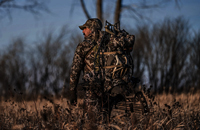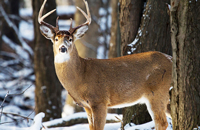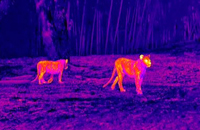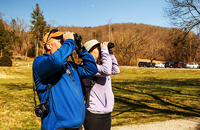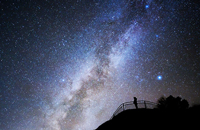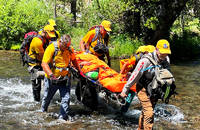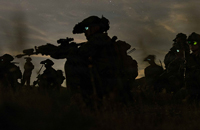
In real low-light field scenarios, users usually face similar challenges:
Light conditions change quickly and unpredictably.
Objects at distance become difficult to recognize clearly.
Terrain features are harder to judge in darkness or fog.
Movement detection relies heavily on guesswork.
Continuous field monitoring requires stable, long-duration equipment.
A single device rarely covers all observation needs.
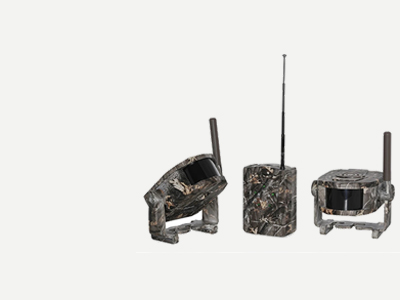
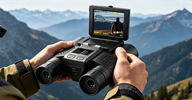
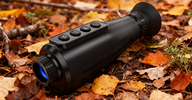
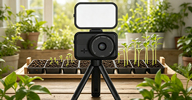
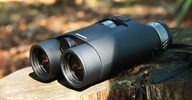
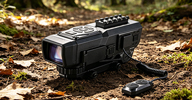
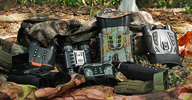
WILDTIME OUTDOORS provides integrated solutions built around these real operational challenges. Our product range includes thermal imagers, night vision binoculars, night vision goggles, monocular systems, rangefinder binoculars, trail cameras, time lapse cameras, solar power kits, digital imaging binoculars, and supporting outdoor accessories.
Our focus is not only individual devices, but complete field-ready combinations that support consistent performance across different low-light training and observation conditions.

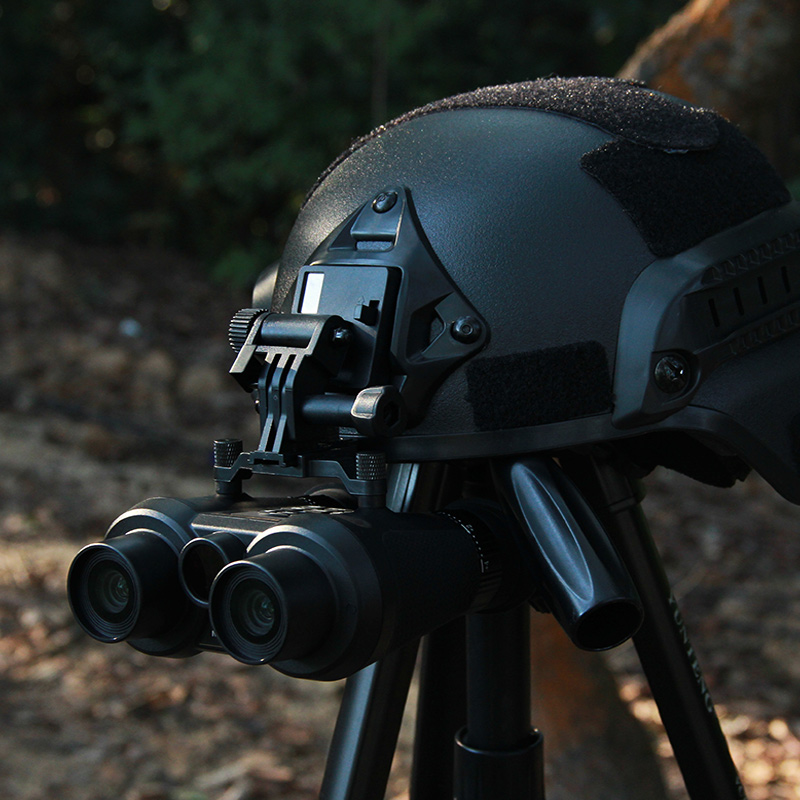
Low-light field work requires more than a single solution. Different situations demand different types of visual support, from heat detection to distance measurement and long-term monitoring.
That is why WILDTIME OUTDOORS focuses on building complete system combinations instead of standalone devices.
A practical field setup may include:
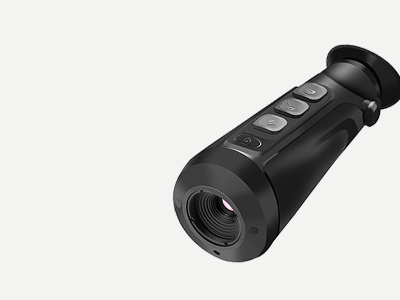
Thermal imagers for heat-based detection and movement tracking
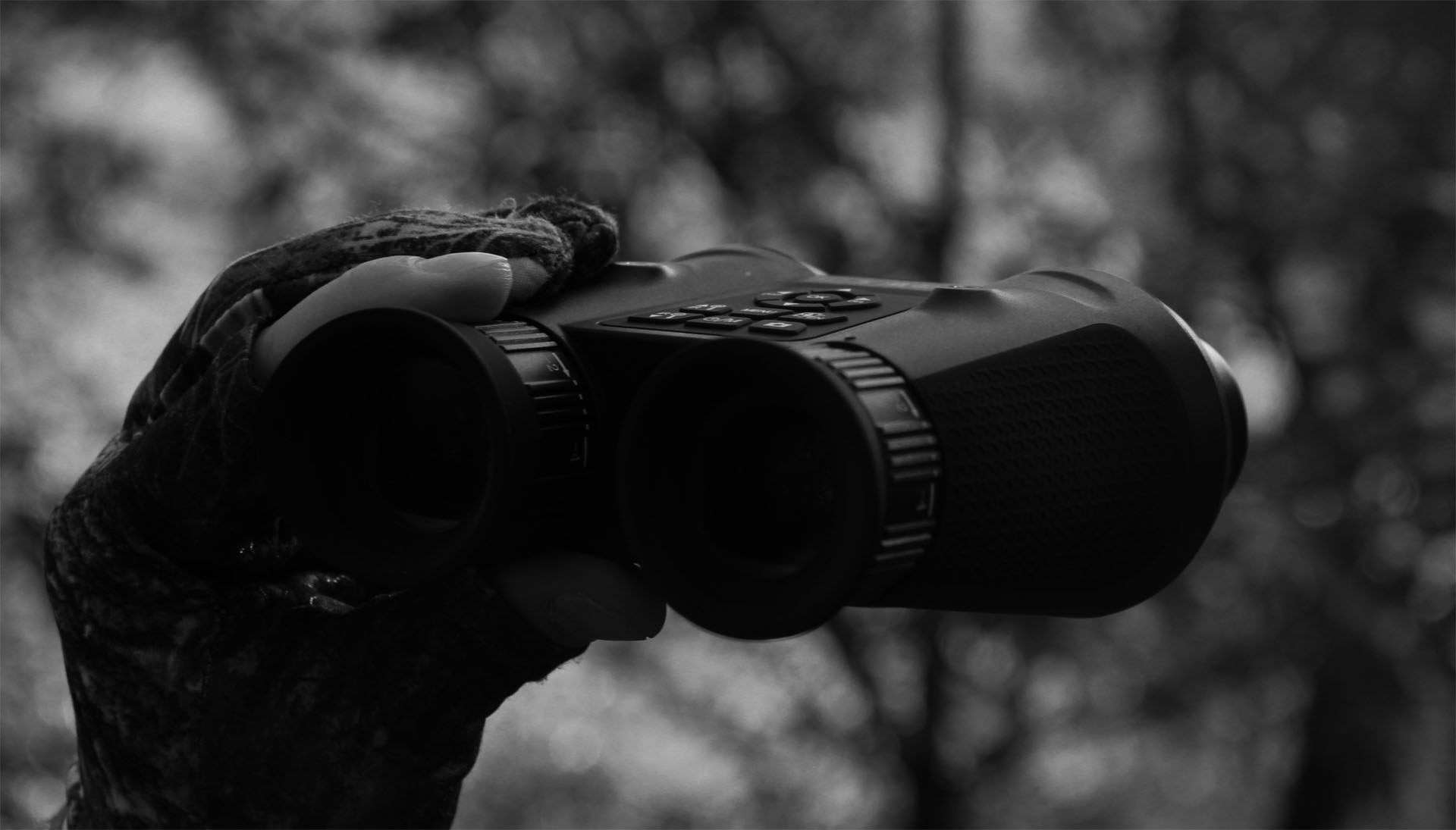
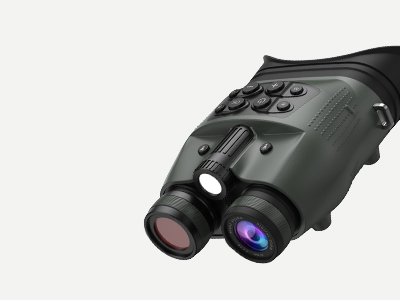
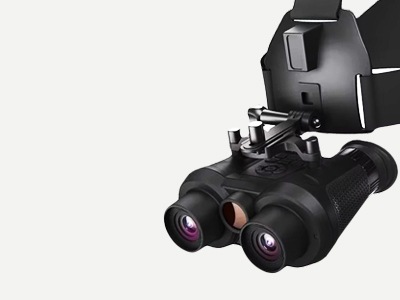
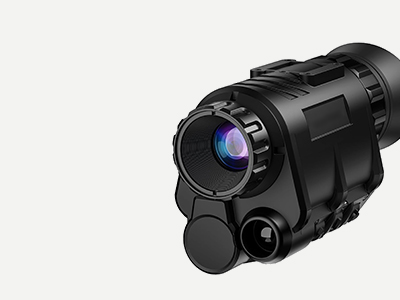
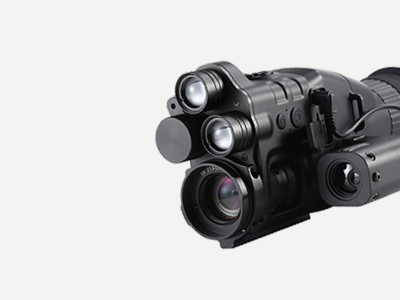
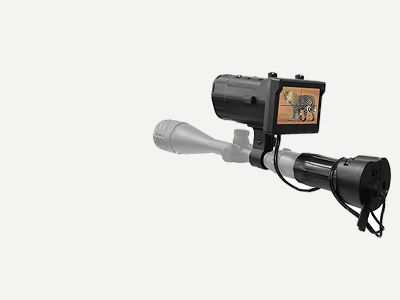
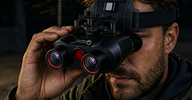
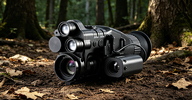
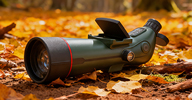
Night vision binoculars for enhanced low-light visual clarity
Night vision goggles for hands-free observation and mobility
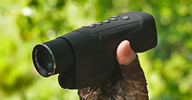
Monocular systems for quick scanning and portable use
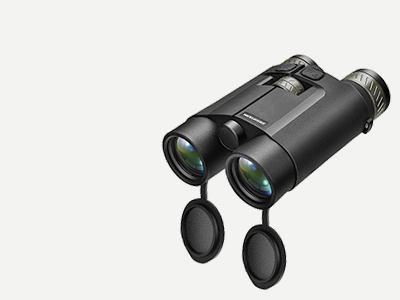
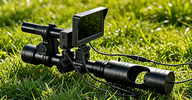
Rangefinder binoculars for distance awareness in complex terrain
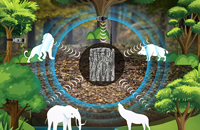
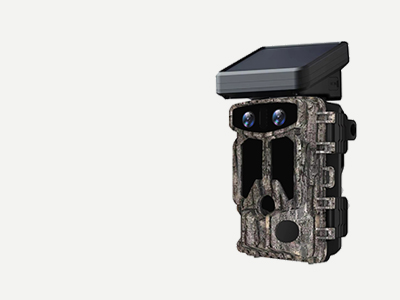
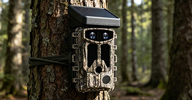
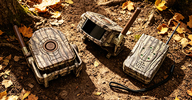
Wildlife and time lapse cameras for long-term environmental recording
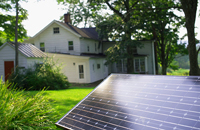
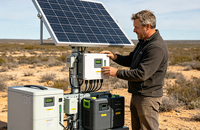
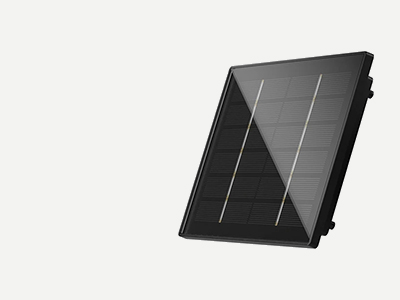
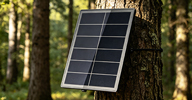
Solar power kits for continuous off-grid operation
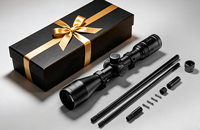
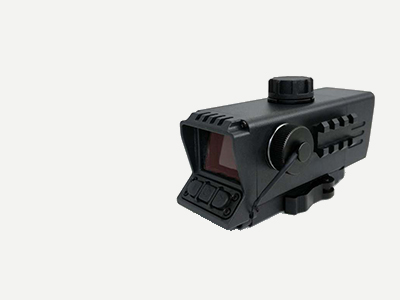
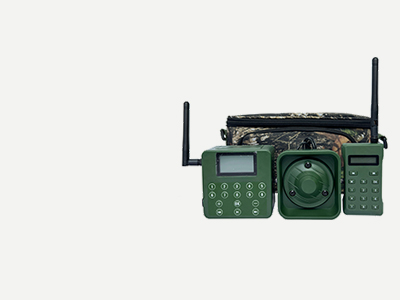
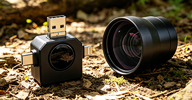
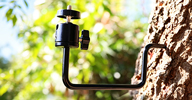
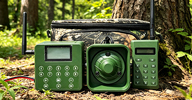
Outdoor accessories for mounting, carrying, and field deployment
This combined approach helps users maintain consistent awareness across different environments, rather than relying on one limited device.
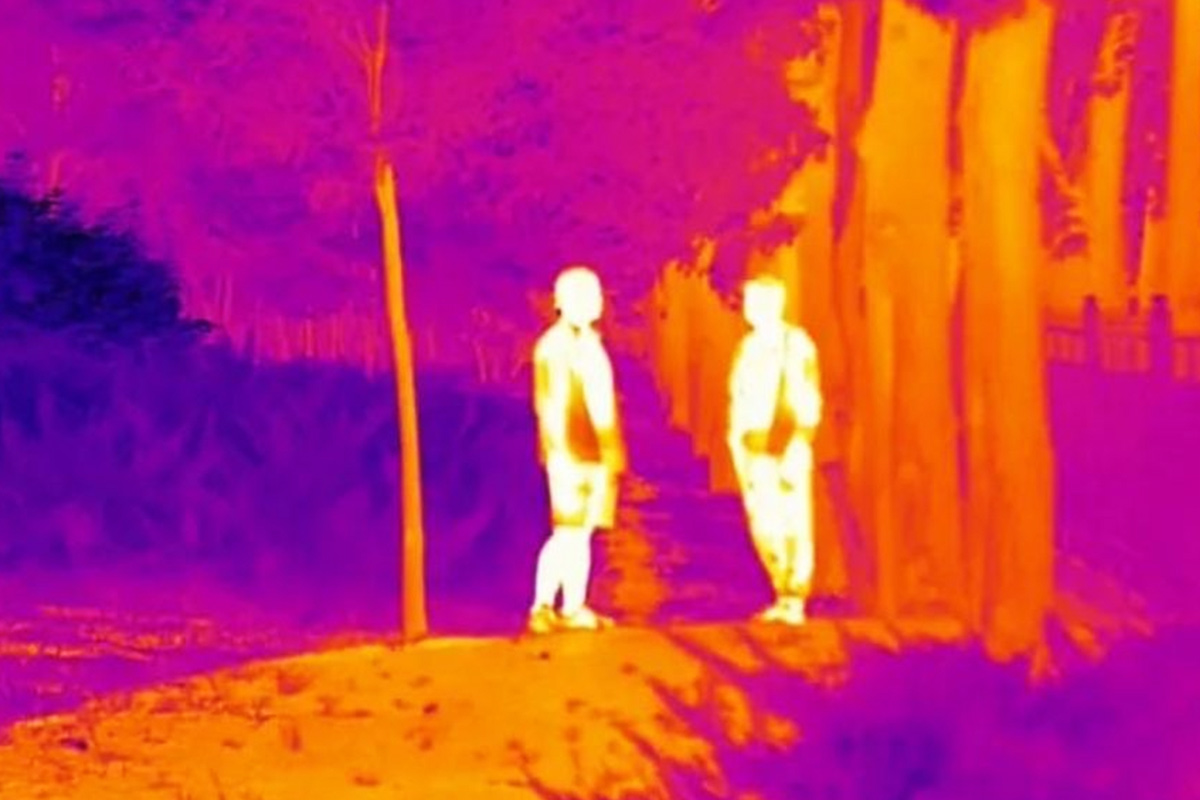
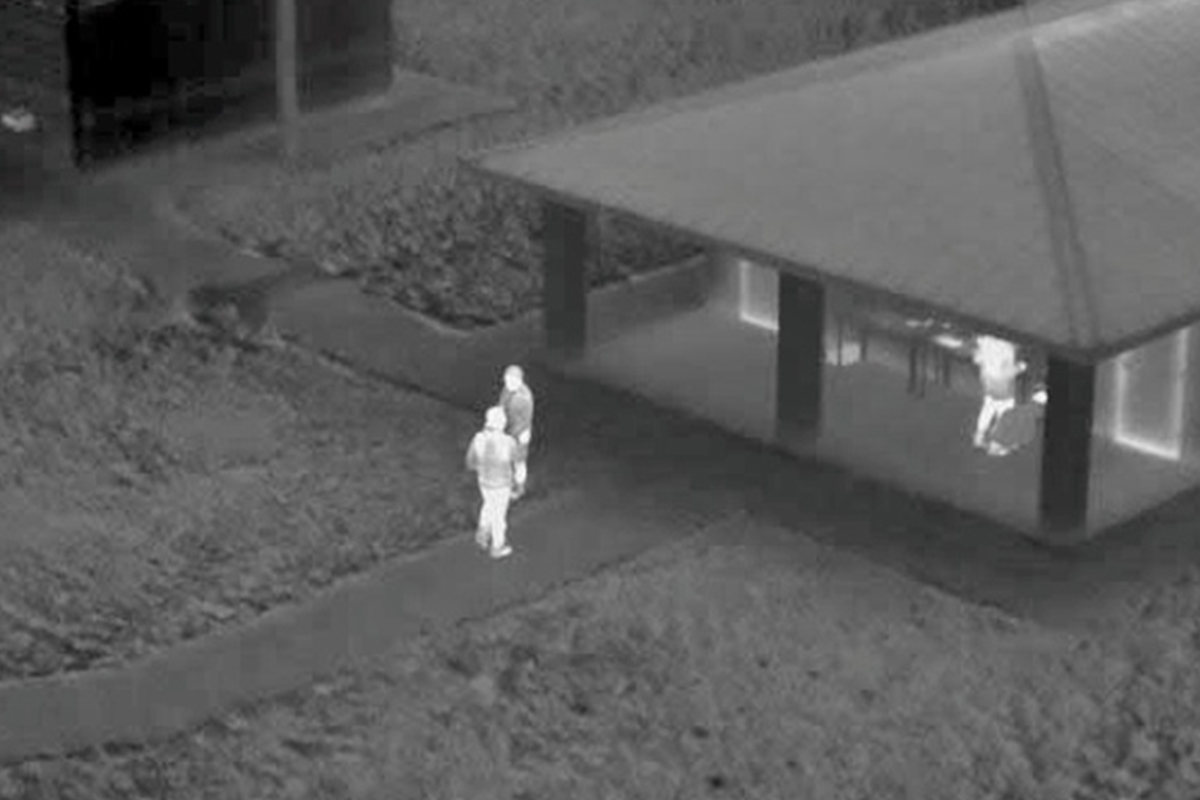
Thermal imagers are often the most effective starting point because they provide stable detection even when visibility is extremely limited. They can be combined with night vision devices for a more complete understanding of the environment.
Yes. Thermal imaging does not rely on visible light and can detect heat differences even in total darkness. It is especially useful for identifying movement and separating objects from background terrain.
In many cases, yes. Thermal imaging helps with detection, while night vision helps with clearer visual identification. Using both together provides a more complete field awareness system.
Yes. When paired with trail cameras or time lapse systems, they can support continuous observation over days or weeks. This is useful for remote sites and training environments.
Solar power solutions are commonly used to maintain continuous operation. They reduce dependency on frequent battery replacement and improve system stability in long-term deployments.
Thermal imaging is better for detecting heat sources and movement in difficult conditions like fog, brush, or complete darkness. Night vision is more suitable when you need clearer visual detail and scene recognition. In most field setups, using both together provides the most reliable performance.