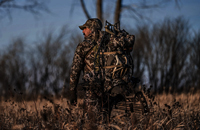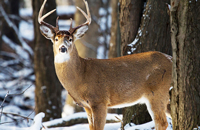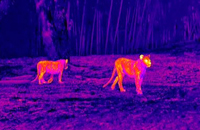

In real outdoor monitoring work, visual observation alone is often not enough. Many important events happen outside visible light conditions or are partially hidden by terrain and vegetation. In these situations, the real challenge is not just seeing further—but detecting what cannot be seen at all.
Users commonly face problems such as:
Movement completely hidden in darkness or complex environments
Animals or objects blending into vegetation or terrain shadows
Limited confirmation of activity at long distance or wide areas
Unclear signals during early morning or late-night conditions
Missed events due to short observation windows
Remote areas that cannot be checked frequently
Need for faster and more reliable detection than visual tools alone
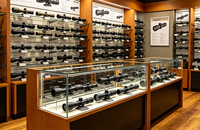
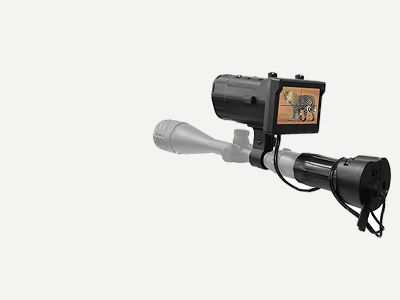
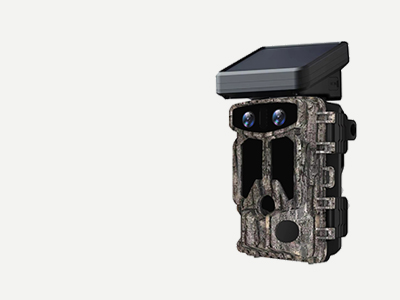
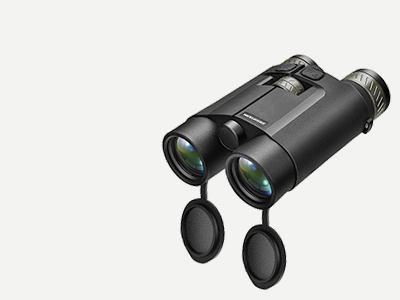
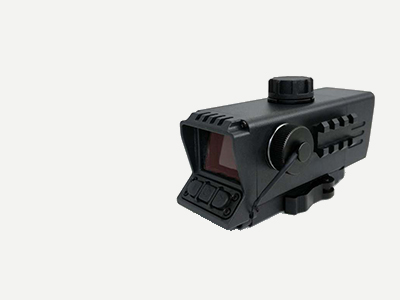
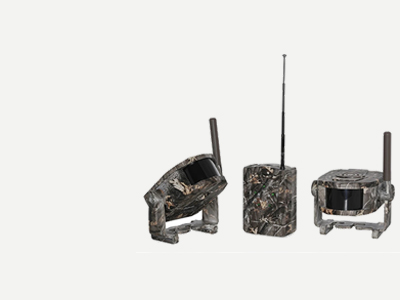
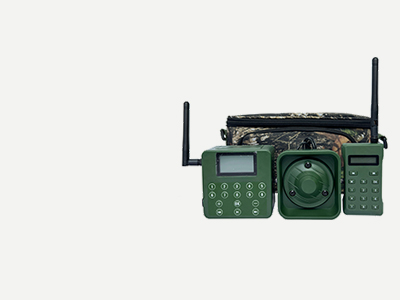
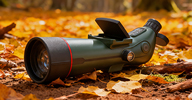
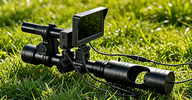
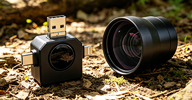
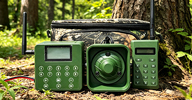
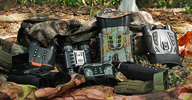
WILDTIME OUTDOORS builds thermal-centered detection systems designed specifically for these real-world limitations. Our ecosystem includes thermal imagers, night vision binoculars, night vision monoculars, night vision goggles, night vision scopes, wildlife cameras, hunting alarm cameras, rangefinder binoculars, hunting rangefinders, timelapse cameras, solar panel solutions, and outdoor support accessories.
Among all technologies, thermal imaging plays the most critical role in early detection and hidden activity recognition, making it the core of modern field surveillance setups.
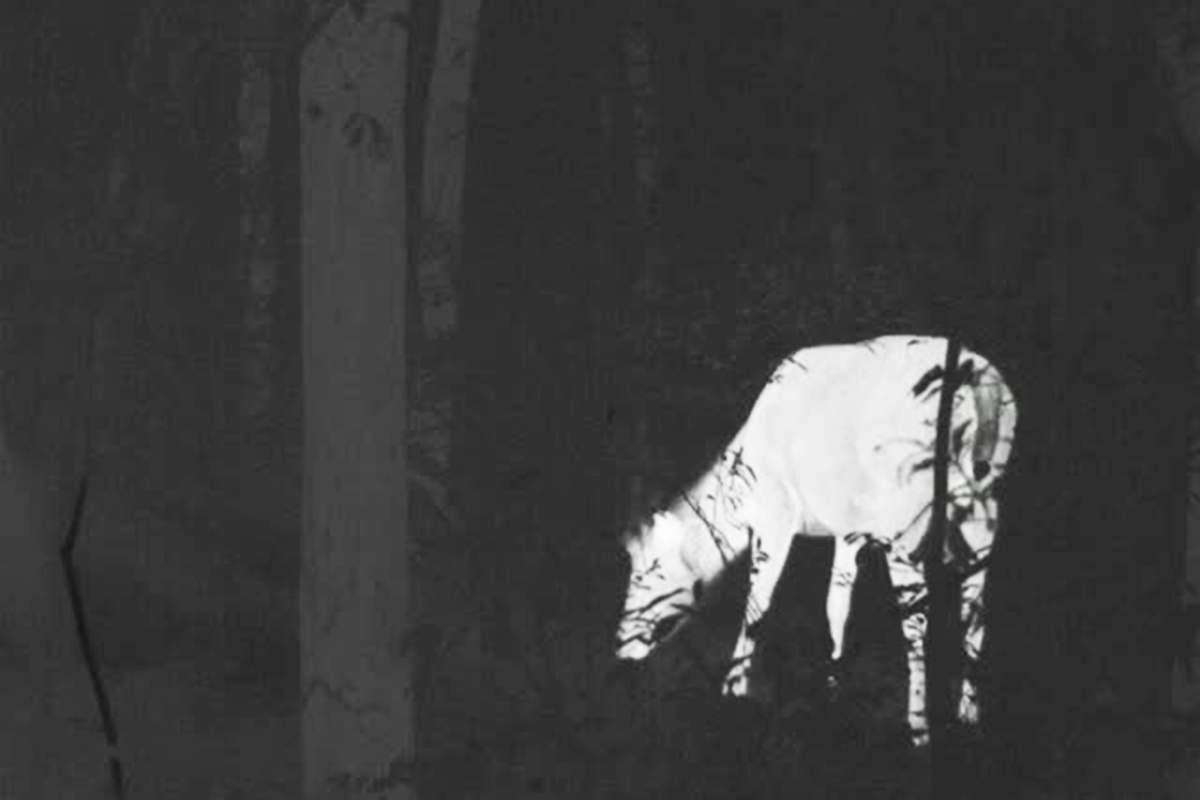
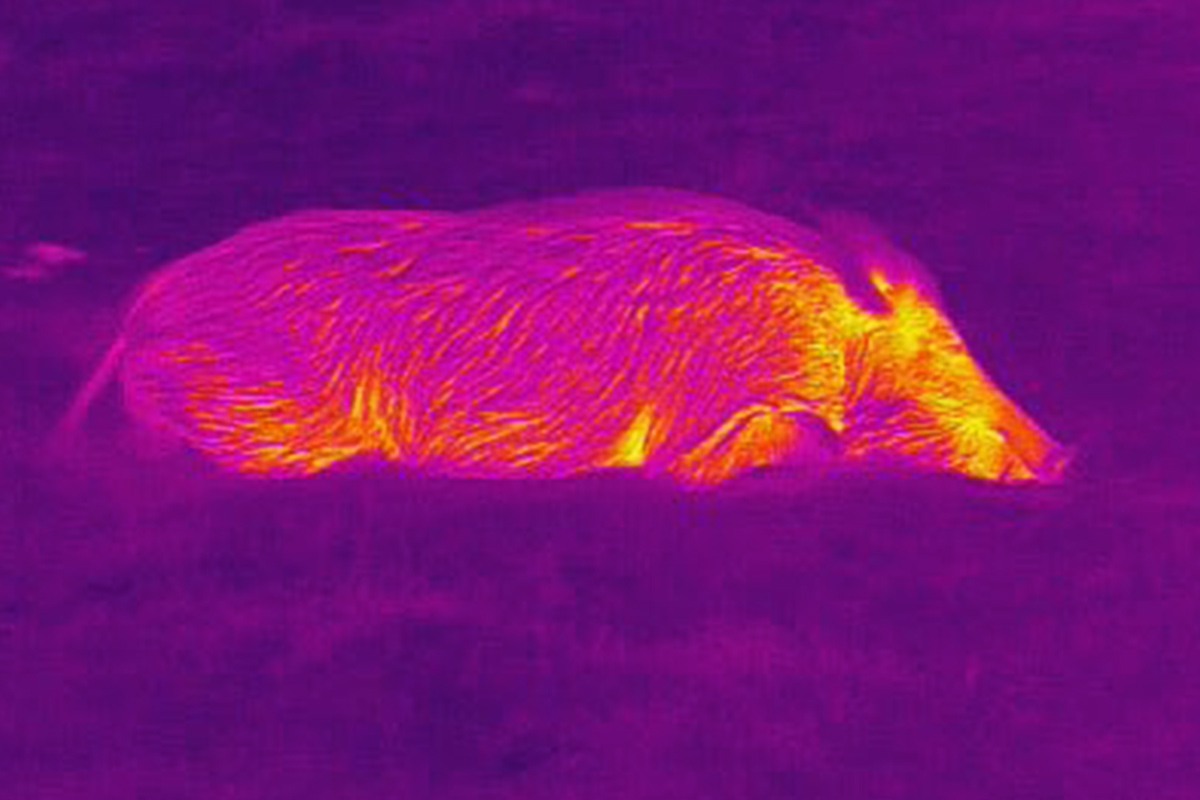
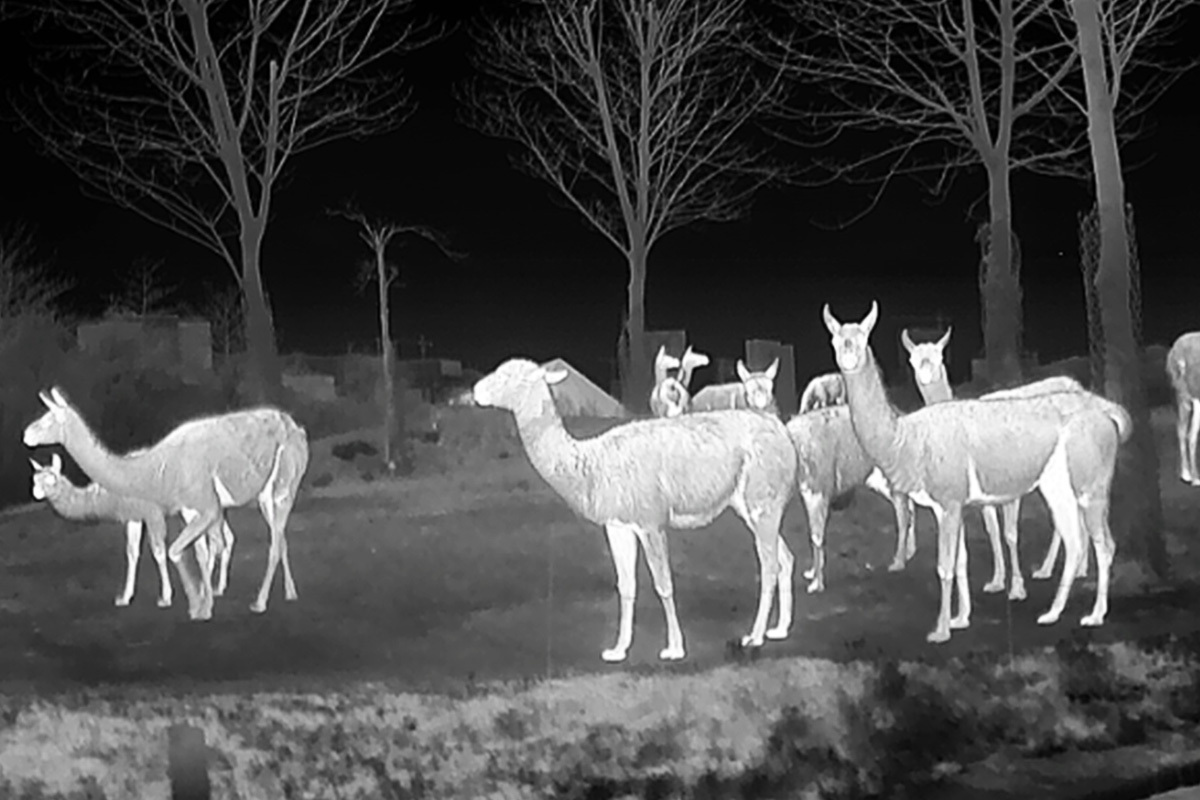
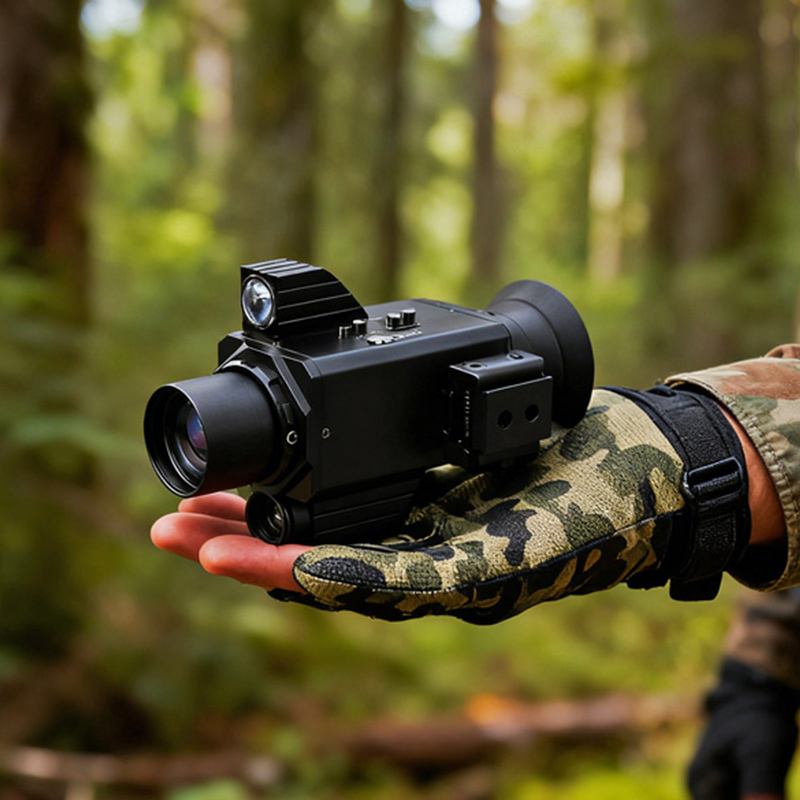
Thermal imaging is the most effective tool for identifying hidden activity, but real field monitoring still requires supporting functions such as distance measurement, recording, and long-term observation.
That is why WILDTIME OUTDOORS builds integrated systems centered around thermal detection, supported by complementary technologies.
A strong thermal-focused monitoring setup may include:
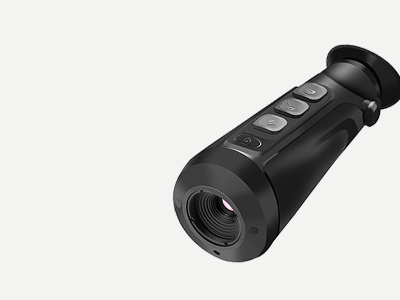
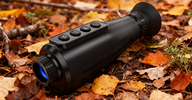
Thermal imagers for primary heat-based detection and target identification
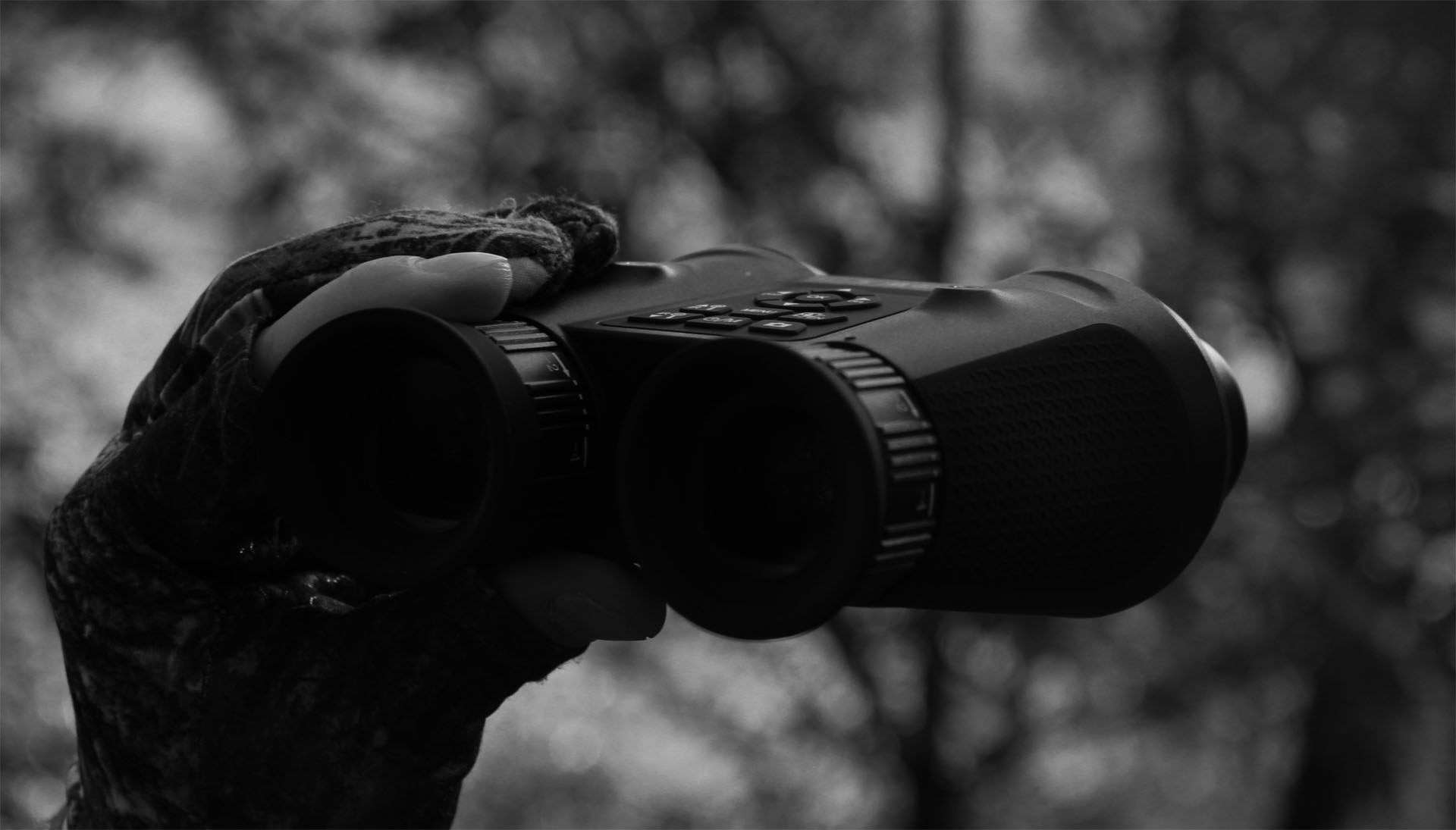
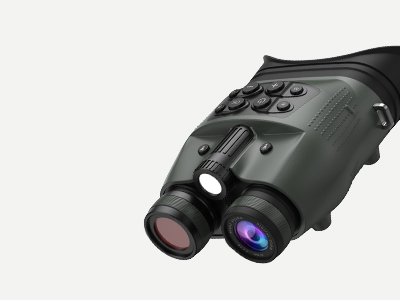
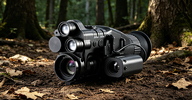
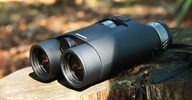
Night vision binoculars for visual confirmation after thermal detection
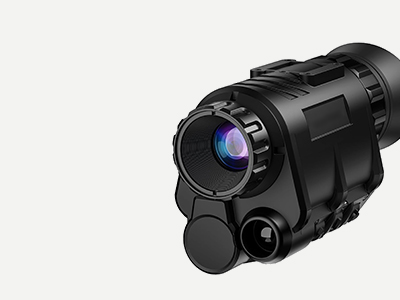
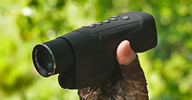
Night vision monoculars for fast scanning and flexible field movement
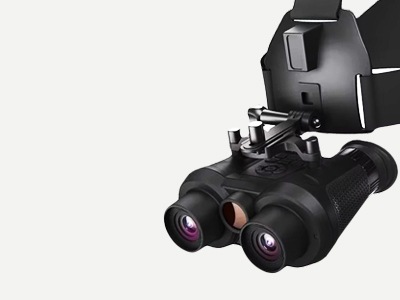
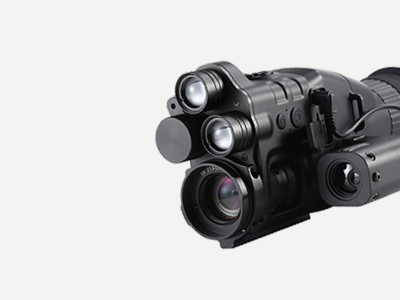
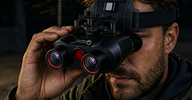
Night vision goggles for continuous low-light situational awareness
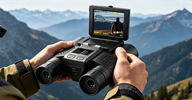
Rangefinder binocular systems for accurate distance measurement after detection
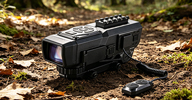
Hunting rangefinders for spatial validation and field positioning
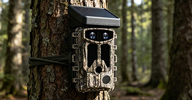
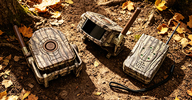
Wildlife cameras for continuous long-term recording of detected zones
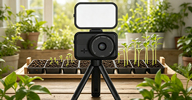
Timelapse cameras for environmental and habitat change tracking
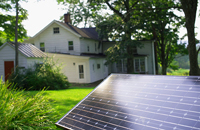
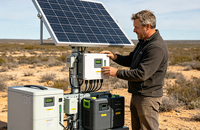
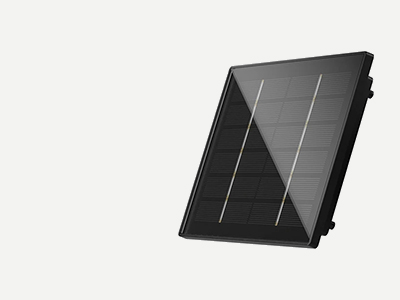
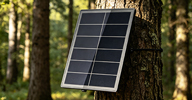
Solar panel systems for uninterrupted remote operation
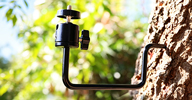
Outdoor accessories for mounting, protection, and field deployment
In this structure, thermal imaging acts as the “first detection layer,” while other devices provide confirmation, measurement, and documentation.
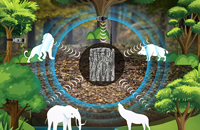
Thermal detection identifies heat differences instead of relying on visible light.
This allows users to detect hidden movement in darkness, vegetation, fog, or other low-visibility environments.
Thermal imaging can often reveal heat signatures even when objects are partially blocked by vegetation.
It is especially useful for identifying movement that is not clearly visible.
At night, visual information is limited.
Thermal devices continue working regardless of lighting conditions, making them highly reliable for nighttime monitoring.
It allows users to quickly locate areas of interest instead of scanning large areas visually.
This reduces time spent searching and improves monitoring focus.
Yes. Thermal imaging is often combined with night vision and recording systems.
This creates a complete detection-to-confirmation workflow.
Rangefinder binocular systems or handheld rangefinders are used after thermal detection to measure exact distance.
Wildlife cameras, timelapse systems, and solar power solutions support continuous unattended operation.